Introduction
Do you ever feel like your money disappears before the month ends, no matter how carefully you plan? You’re not alone. Many households know the right intentions but struggle to translate them into lasting habits. This simple four-week plan is designed to be realistic, practical, and easy to sustain. By the end, you’ll have a clearer picture of where your money goes, a sensible target for every category, and a repeatable routine that keeps you honest without feeling deprived.
Week 1: Build baseline awareness
Step 1 — Gather data
Collect receipts, statements, and any notes from the last 30 days.Note all sources of income and every expense, even small purchases.Create a quick list of fixed costs (rent/mortgage, utilities, subscriptions) and variable costs (groceries, dining out, fuel).Step 2 — Identify fixed vs. variable costs
Fixed costs stay the same most months. Variable costs wiggle and can be tweaked.Highlight the biggest variable leakers (small daily purchases, automatic renewals you don’t use, etc.).Step 3 — Set a starting framework
Use the 50/30/20 rule as a guiding starter: 50% needs, 30% wants, 20% savings/investment.Example (after-tax income of $4,000): $2,000 needs, $1,200 wants, $800 savings. This isn’t written in stone, but it’s a useful yardstick.Step 4 — Start a 7-day spending diary
Track every expense for a week, no matter how small.Tag each item as needs, wants, or savings contribution.At the end of the week, review patterns (where do small expenses add up? what can be delayed?).Research suggests that households that actively track expenses are more likely to reach savings goals. The goal this week is awareness—not perfection.
Week 2: Categorize and set targets
Step 1 — Create practical categories
Core categories: Housing, Food, Transportation, Utilities, Health, Personal/Family, Insurance, Debts, Savings.Sub-categories can help: groceries by week, fuel by month, entertainment by quarter.Step 2 — Set realistic targets per category
Housing/transportation often consume a large share; aim to keep them within a reasonable band for your situation.Allocate a specific amount to savings each month (even small amounts add up over time).Consider a small “buffer” for irregular costs (car maintenance, birthdays).Step 3 — Build simple rules you can live with
No-spend days (e.g., two days a week with no discretionary purchases).A monthly “reset” where you review the previous month and adjust for upcoming expenses (back-to-school, holidays).Step 4 — Involve the family
Have a short weekly budget check-in with the household.Assign roles (who tracks receipts, who pays bills, who reviews subscriptions).Week 2 emphasizes turning awareness into concrete targets you can actually hit, with a dash of accountability that doesn’t feel punitive.
Week 3: Track, adjust, and reflect
Step 1 — Weekly check-ins
Compare actual spending to your targets.Identify “leaks” (unnecessary subscriptions, frequent small purchases, premium upgrades you rarely use).Step 2 — Pay yourself first
Treat savings like a bill you must pay. If possible, automate transfers to a savings account or envelope.If automation isn’t possible yet, set a weekly cash transfer and stick to it.Step 3 — Rebalance mid-month if needed
If groceries are higher than planned, adjust dining and entertainment elsewhere.Use leftovers and plan meals around what’s already in the pantry to reduce waste.Step 4 — Build a lightweight forecast
Look at the next two months and note any big expenses (holiday gifts, school supplies).Create a rough plan to spread cost evenly rather than letting it pile up late in the season.This week’s focus is about making the budget a living document you adapt, not a rigid decree you can’t follow.
Week 4: Automate and maintain
Step 1 — Automate what you can
Set automatic bill payments to avoid late fees.Schedule automatic transfers to savings or debt payments.Use a simple monthly budget template to track habits without manual data entry every day.Step 2 — Create a monthly spending reset
At the end of each month, review what worked and what didn’t.Reset targets for the new month based on seasonal needs (back-to-school season, holidays).Step 3 — Plan for the future
Build a small emergency fund target (a few hundred to a few thousand, depending on your situation).Start thinking about larger goals: debt payoff, a family trip, a home repair fund.Step 4 — Keep it collaborative
Maintain short, regular family discussions about goals and progress.Celebrate small wins together to stay motivated.A four-week sprint can create a powerful habit if you keep it simple, repeatable, and adaptable to real-life fluctuations.
Quick templates you can adapt
A one-page budget snapshot: income, fixed costs, variable costs, savings target, and a summary of actuals.A simple 3-category tracker: Needs, Wants, Savings/Debt. Track every expense by category to see where adjustments are needed.A monthly review checklist: Did we hit our savings goal? Which category exceeded? What can we cut next month?Conclusion
Mastering a family budget isn’t about deprivation; it’s about clarity, consistency, and small, repeatable changes that compound over time. Start with honest data, set sensible targets, monitor weekly, and automate where you can. Over a few cycles, you’ll notice fewer surprises, more control, and a better sense of momentum toward your financial goals.
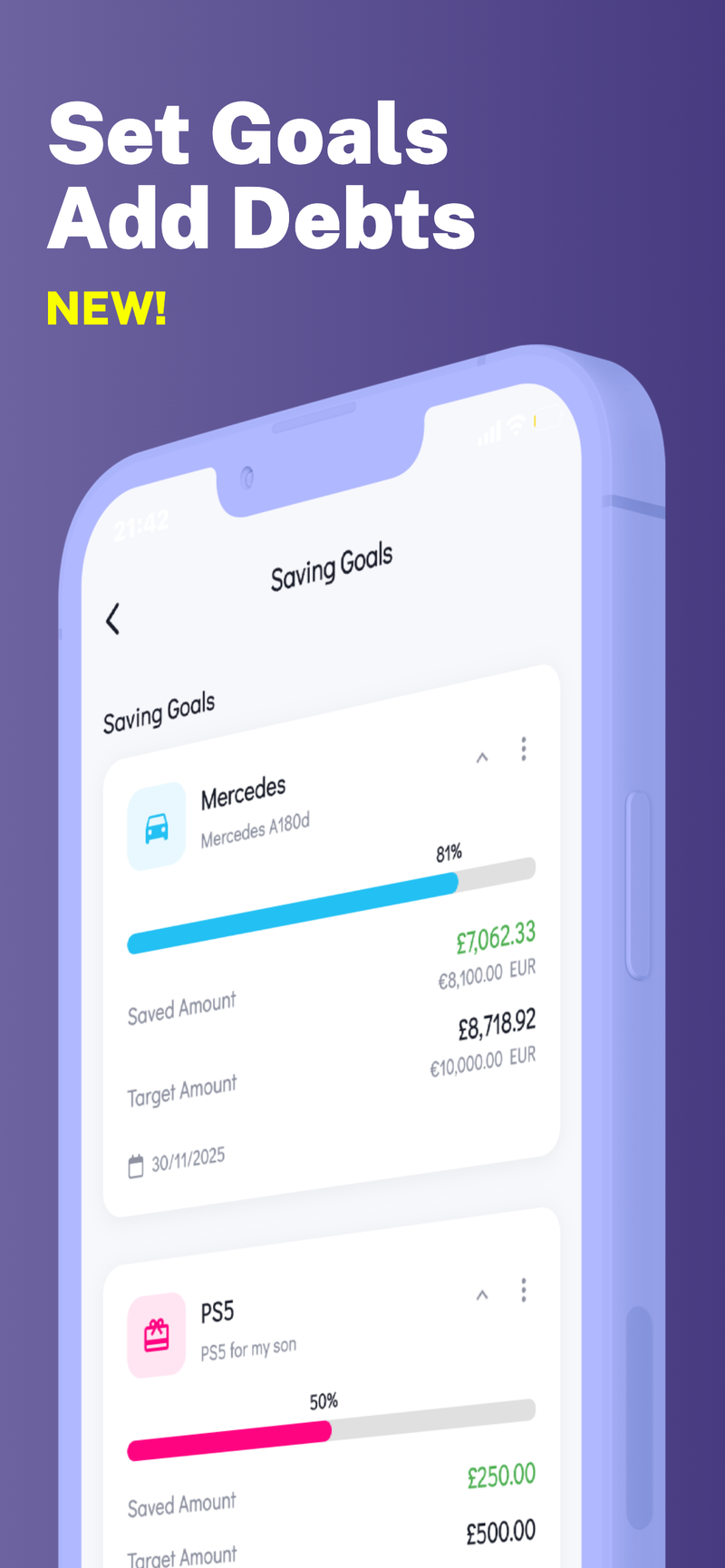
If you’re looking for a private, on-device way to keep a multi-person budget organized and secure, Fokus Budget can help with this. It emphasizes privacy and supports multiple profiles, making it easier to manage family finances without sharing data across devices. A respectful nudge toward the right tool can make a big difference when you’re building new budgeting h