Introduction
Have you ever faced a month where bills arrive early, unexpected expenses pop up, and the next paycheck feels distant? You’re not alone. For many families, unpredictable months are the norm rather than the exception. The goal isn’t perfection—it’s resilience: a plan that bends with the months while keeping the essentials covered.
In this guide you’ll find practical, actionable steps to build a flexible budget that adapts to swings in income and costs without creating chaos at the end of the month. Think of it as a playbook for stability when plans go sideways.
The reality of unpredictable expenses
Unpredictable months come from a mix of irregular income, seasonal costs, and life events. A key piece of evidence is that many households would struggle to cover a $400 emergency expense, underscoring why a flexible budget and a small buffer matter. The goal is not to eliminate surprises, but to create a framework that accommodates them.
Build a flexible baseline you can live with
Start with essentials first. List needs such as housing, utilities, groceries, transport, insurance, and basic childcare. These are the non-negotiables.Set a baseline monthly total for these essentials. This becomes your floor, not your ceiling.Treat discretionary spending as adjustable. In a normal month, you might allocate 30% of income to wants; in a crunch month, reduce this share and reallocate to essentials or savings.Use a simple rule of thumb for crunch months: reduce non-essentials first, then pause extra debt payments only if absolutely necessary, and ensure core bills stay covered.Create a rolling buffer you can rely on
Build an emergency buffer focused on essential costs. Start with one month, then grow to 3–6 months over time. A practical target is 1–2 months of essential expenses as a stepping stone.Contribute a small, automatic monthly amount to this buffer. Even $20–$100 per month adds up and reduces the stress when a surprise hits.Keep buffers separate from day-to-day spending so you don’t dip into them for ordinary purchases.Plan for irregular costs and seasonal needs
Create a calendar for known irregular expenses (school fees, holidays, birthdays, car maintenance). Put aside a small monthly amount specifically for these costs.Example allocations (for a family of four): car maintenance fund, back-to-school supplies, and holiday gifts. Even modest monthly saves make a big difference when the bill lands.Consider a sinking fund approach: assign a purpose to each small monthly transfer (e.g., $25 for car tires, $15 for bridge tolls, $40 for gift occasions).Prioritize debt and essential bills
List bills in order of non-negotiability: housing, utilities, groceries, transport, insurance, minimum debt payments.When money is tight, protect these basics first. If you must, negotiate due dates or temporary reduced payments on non-essential debts, rather than defaulting on essentials.If possible, automate payments for essentials so they’re less likely to be missed during busy weeks.Practical routines to stay on track
Weekly 15-minute budget check: review last week’s spending, adjust the coming week’s plan, and flag upcoming irregular costs.Monthly review: compare planned vs. actuals, adjust the baseline for the next month, and decide where to tighten or where to allocate additional funds.Use simple tools: a notebook, a spreadsheet, or a basic budgeting app. The key is consistency, not complexity.Common pitfalls to avoid
Underestimating irregular costs: holidays, school activities, and vehicle repairs often surprise households.Treating one good month as the norm: a higher-than-average month can hide a lean period ahead.Failing to adjust: once irregular expenses change (new school year, a job change, a move), revisit the baseline and buffers.A practical 3-month plan (illustrative)
Month 1 (typical): Essentials take priority; discretionary spending is trimmed by 20–30%. Contribute to the emergency buffer.Month 2 (higher costs): Increase attention to needs; defer non-urgent purchases; top up the irregular-cost fund for upcoming fall or school needs.Month 3 (lower income or surprise bill): Apply the “crunch month” rule—pause extras, use the buffer for non-essentials, and negotiate due dates if possible. Revisit the baseline for the next quarter.Conclusion
Building a flexible budget isn’t about chasing perfection every month; it’s about creating structure that supports stability when the unexpected happens. Start with a solid baseline of essentials, establish a growing buffer for emergencies, and implement a simple month-by-month routine to keep you in control. By planning for irregular costs and prioritizing core needs, you’ll reduce stress and increase your family’s resilience in unpredictable times.
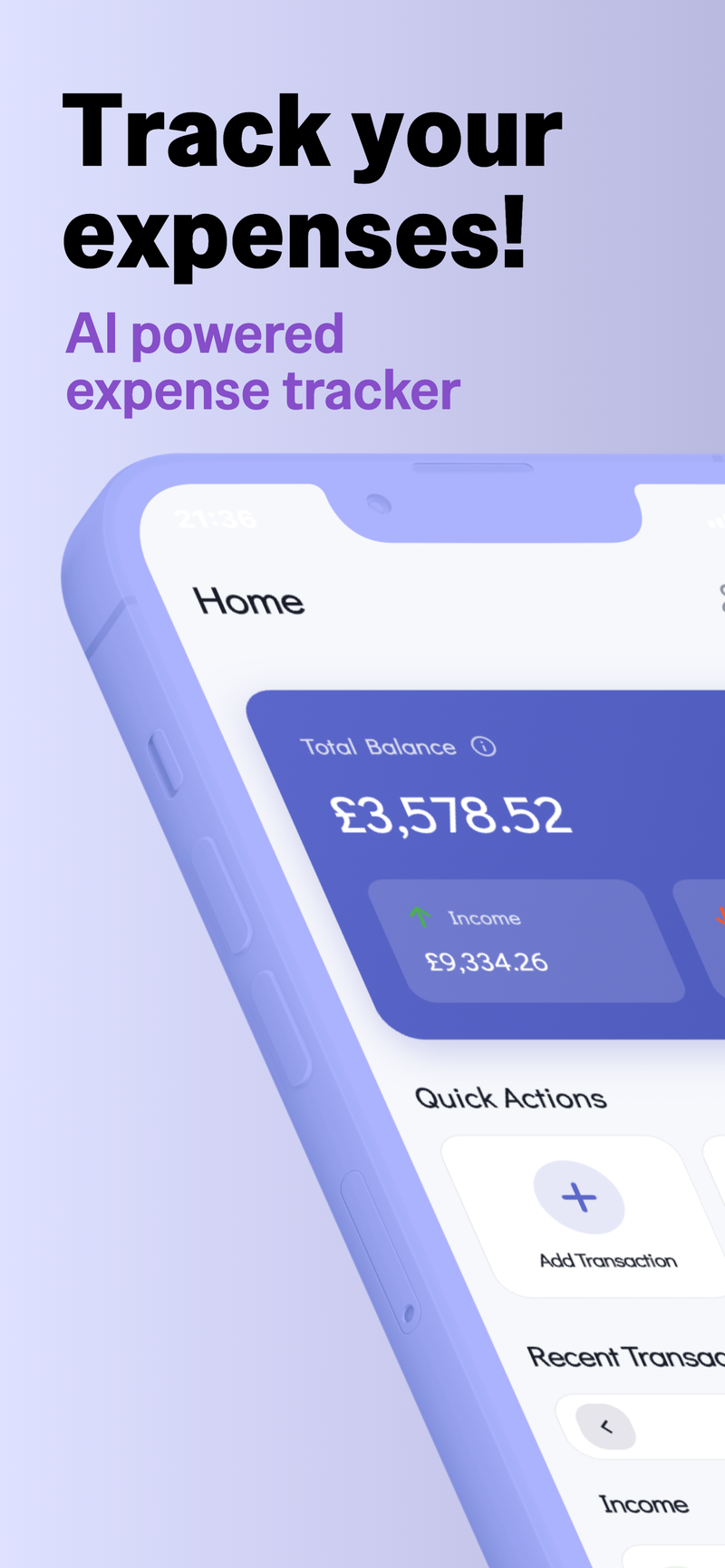
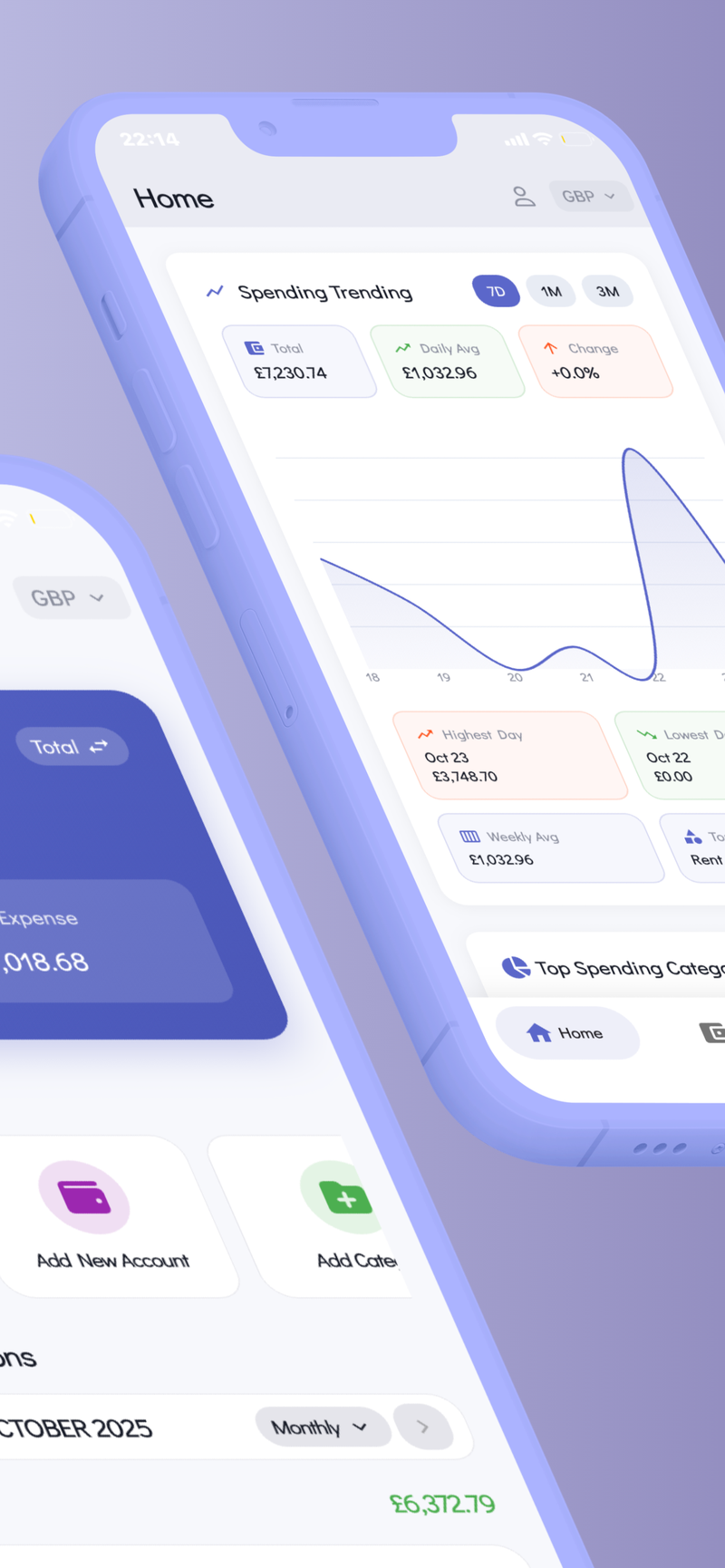
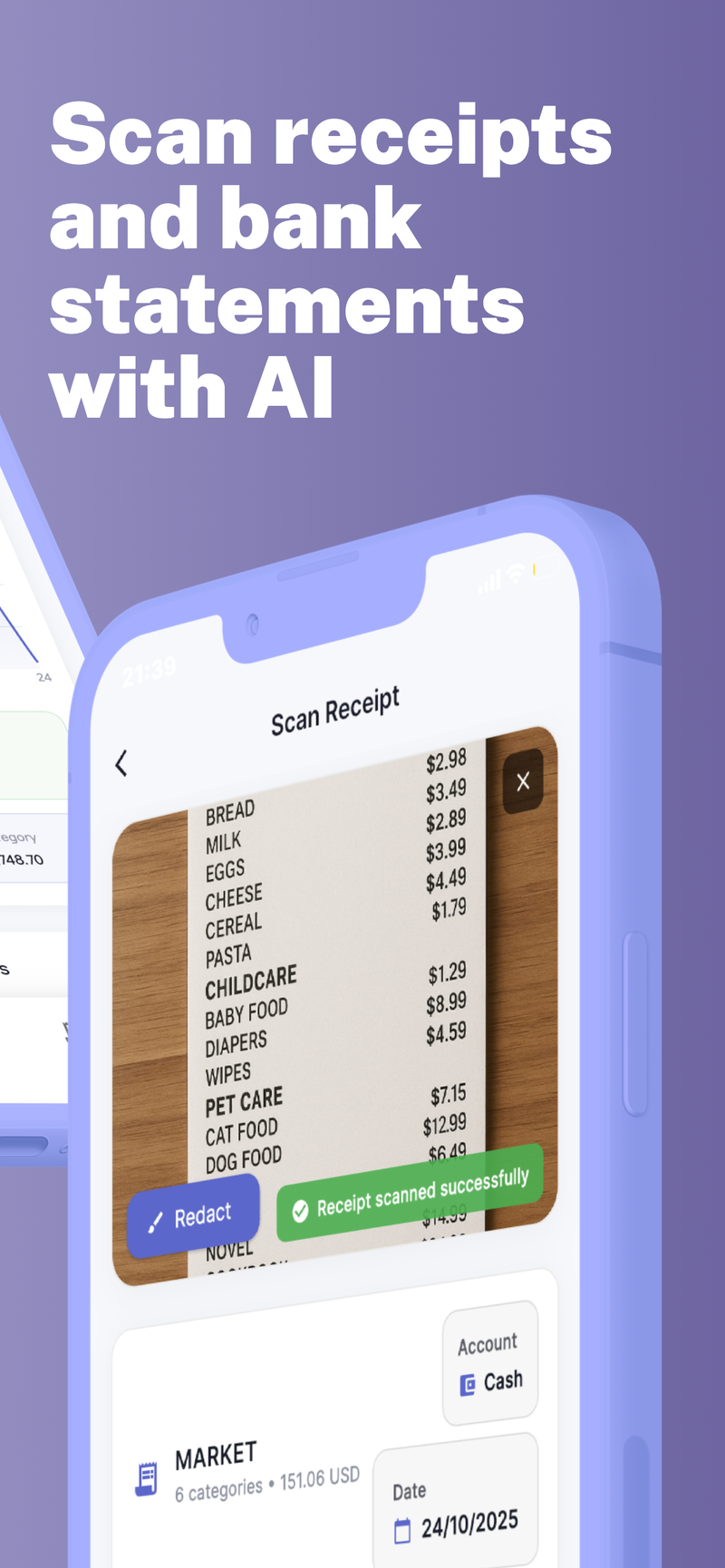
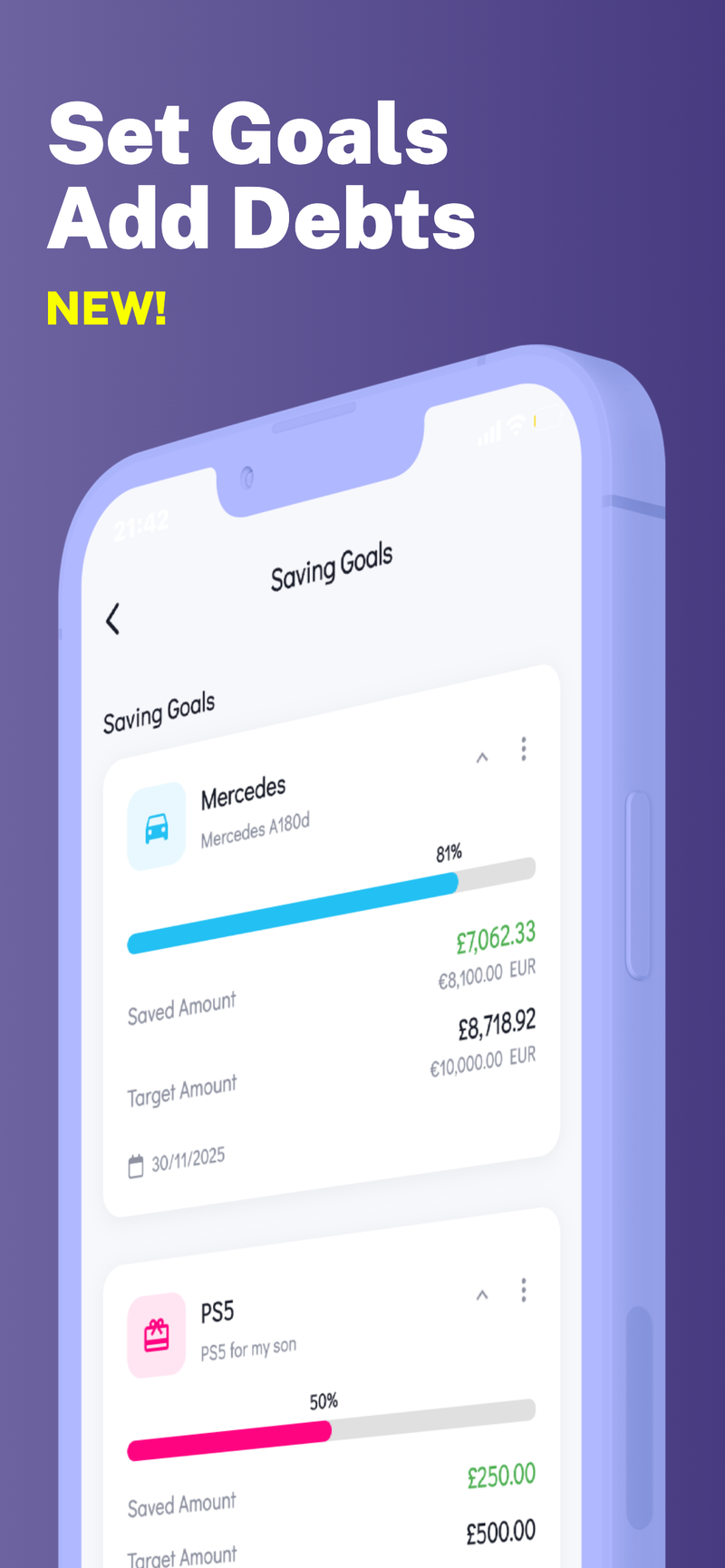
If you’re looking for a practical toolkit to implement these ideas, Fokus Budget can help with a few thoughtful features designed for families who juggle different priorities and schedules. With Multi-Profile Support, you can keep personal, family, and household budgets organized in one place, while keeping your data private and on your device. It’s a helpful companion for turning flexible budgeting from a concept into a daily habit.