Quit Smoking

Quit Smoking

Your journey to freedom

·Health

Micro-Habits to Cut Cravings: A 21-Day Plan

Cravings feel overpowering, but small, repeatable actions can interrupt the urge and build lasting change. This 21-day plan focuses on micro-habits to help you quit smoking or vaping with practical steps you can start today.

habitsquit-smokingquitting-vapingcravingswellness

Introduction

Cravings can feel like a tide—the urge to smoke or vape surges just when life gets busy or stressful. The problem isn’t only willpower; it’s a habit loop: cue, craving, response. The good news is that tiny actions, repeated consistently, can interrupt that loop and build momentum toward a quit or reduced-use goal. A 21-day window is enough to start forming new patterns and weakening old triggers. If you know what to do when a craving hits, you’re less likely to slip.

Withdrawal symptoms often begin within hours of your last use and peak over the first few days. Cravings tend to soften as you replace the automatic response with deliberate micro-habits. Think small, not perfect—tiny, repeatable actions that you can do in 2 minutes or less.

Main Content

Week 1: Interrupt and Delay

The first week is all about buying time when a craving arrives.

  • Practice the 2-minute rule: tell yourself you’ll wait 2 minutes before giving in. During those 2 minutes, do a quick task that requires your hands or attention.

  • Quick-breath exercise: try box breathing (4 seconds in, 4 hold, 4 out, 4 hold) for two rounds.

  • Hydrate first: sip a glass of water, then reassess the urge.

  • Move your body in small ways: stand up, stretch, or do 30 seconds of brisk marching in place.
  • Example routine when a craving hits:

  • Step 1: Pause for 2 minutes.

  • Step 2: Do a 30-second stretch and drink water.

  • Step 3: If the urge remains, switch to a different activity (play with a stress ball, doodle, or read a page).
  • Week 2: Swap and Keep Hands Busy

    By now, cravings might come with more frequency or intensity. Keep your hands busy and swap the habit cue.

  • Use a simple fidget item (stress ball, fidget ring, or a textured toy) for 3–5 minutes.

  • Replace the ritual with a substitute: minty gum, a piece of fruit, or a warm herbal tea after meals.

  • Create micro-rituals around meals or coffee breaks to reduce automatic usage:

  • After your morning coffee, stand up and take a brief walk before you sit down again.

  • Have a ritualized post-meal check-in: 2-minute breathing plus water before you consider a cigarette or vape.
  • Week 3: Trigger Mapping and Mindful Urges

    This week is about understanding triggers and learning to ride out urges without judgment.

  • Map your triggers: write down the top five cues (time of day, location, emotional state, social setting).

  • Build tailored micro-habits for each trigger:

  • If you crave during work breaks, replace the break with a 3-minute body scan or a quick stretch routine.

  • If stress triggers a craving, try a brief “stress reset”: slow exhale for 6 cycles, followed by sipping water.

  • Urge surfing: observe the craving as a wave that rises, peaks, and passes. Do not try to suppress it forcefully; simply acknowledge it and proceed to your micro-activity.
  • Across the Plan: Sleep, Hydration, and Nutrition

    Small lifestyle foundations support cravings management:

  • Sleep: prioritize consistent bedtime and a short wind-down routine to reduce irritability that can trigger urges.

  • Hydration: aim for 8–10 cups of water daily; dehydration can intensify cravings.

  • Nutrition: balanced meals with protein, fiber, and healthy fats help regulate mood and energy, reducing mood-driven cravings.

  • Caffeine and sugar: monitor intake; for some, high caffeine or sugar can amplify cravings or jitters.
  • A Practical Daily Micro-Habit Checklist


  • If craving hits: pause, breathe, and delay for 2 minutes.

  • Hydrate: drink a glass of water before deciding.

  • Hands busy: use a small object or quick activity (fidget, squeeze ball, or brisk 60-second walk).

  • Trigger response: implement the mapped micro-habit for that cue.

  • Sleep/food: ensure you’ve had a balanced meal and a good night’s rest; low energy can spike urges.
  • Conclusion

    Cravings rarely disappear overnight, but they weaken when you respond with intention and small, repeatable actions. A 21-day plan isn’t about flawless execution; it’s about building a repertoire of micro-habits you can lean on when urges spike. Track what works for you, tweak your triggers, and keep the focus on progress, not perfection.

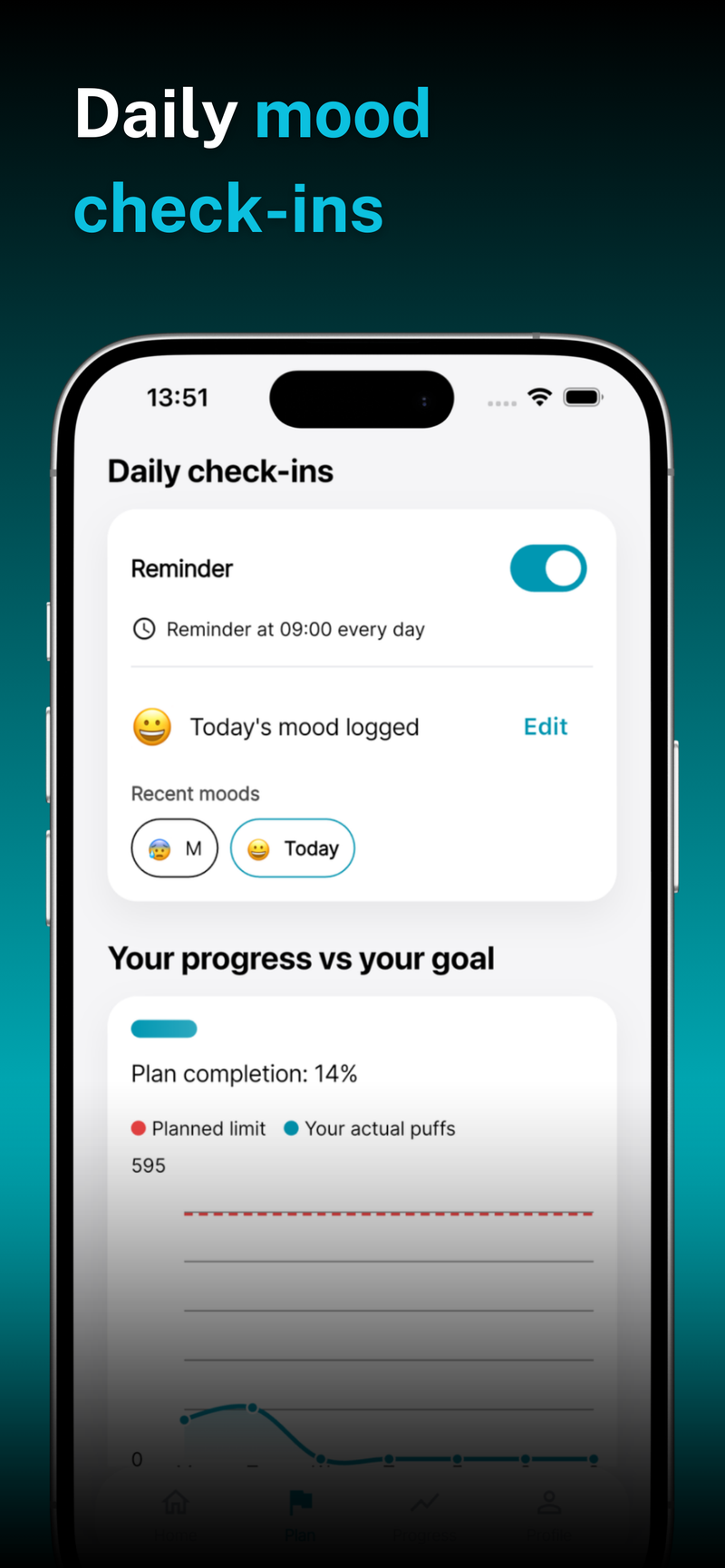
    If you want support that guides you through onboarding and creates a personalized quit or reduction plan, consider options that offer a structured onboarding and personal setup experience. For many readers, tools that help tailor goals, timelines, and daily micro-habits can complement the steady practice described above, offering reminders and progress tracking as you build new routines. In that spirit, Quit Smoking & Vaping can help with this type of guided, personalized approach through its onboarding and plan customization features.

    Quit Smoking icon

    Quit Smoking

    Your journey to freedom

    Free • In-App Purchases
    GET
    Dashboard
    Progress
    Health
    Savings
    Motivation
    Stats
    Daily MotivationProgress TrackingHealth MilestonesMoney Saved

    💪 Personalized quit plan

    Related Articles

    Quit Smoking

    Your journey to freedom