
Mindfulness for Quitting Nicotine: A Practical Step-by-Step Guide
This guide shows how mindfulness can ease the path to quitting nicotine. Learn practical steps—breathing, urge surfing, grounding, and planning for triggers—paired with a simple starter plan to build lasting change.
Introduction
Cravings for nicotine can feel like waves: they rise, crest, and roll away if you ride them instead of fighting them. If you’re here, you’ve already taken a brave step toward change. Mindfulness isn’t a magic cure, but it can help you pause at the moment of urge, observe what’s happening, and choose a response that aligns with your goal—whether you want to quit entirely or reduce gradually.
Mindfulness: a practical tool for quitting nicotine
How mindfulness helps
Mindfulness means paying deliberate, nonjudgmental attention to the present moment. For nicotine quitting, it helps by:
A few core practices you can start today
1) 4-4-6 breathing: Breathe in through your nose for 4 counts, out through your mouth for 6 counts. Repeat 5–6 times to create a brief pause between urge and action.
2) Urge surfing: When a craving hits, name it (“craving”), notice where you feel it (jaw tension, chest tightness, shoulders), and ride the urge for 3–5 minutes without judgment. Let it pass like a wave.
3) Grounding with the 5-4-3-2-1 technique: Identify five things you can see, four you can touch, three you can hear, two you can smell, and one you can taste. This anchors you in the moment and reduces reactivity.
4) Urge diary: Keep a tiny log of cravings—time of day, what you were doing, intensity (1–10), and how you responded. Over days, you’ll spot patterns and opportunities to adjust.
5) Mindful replacements: When a craving hits, swap the action with a small, healthy alternative (sip water, take a quick walk, stretch, chew sugar-free gum). These moments reinforce new habits without shame.
6) Daily mindfulness habit: Set a 5-minute check-in each day to sit, breathe, and scan your body for tension. Consistency beats intensity here.
7) Trigger-aware planning: Map your common triggers (coffee breaks, after meals, social events). Create a simple plan for each trigger (drink water first, do a 2-minute breathing exercise, text a supportive friend).
8) Gentle withdrawal care: Prioritize sleep, hydration, balanced meals, and light activity. Withdrawal can feel more manageable when you support your body with basic needs.
Practical steps you can try this week
What the research suggests
Mindfulness-based approaches often accompany modest but meaningful improvements in quitting success compared with standard care. Some studies report abstinence or reduced relapse rates in the range of roughly 10–20% higher than controls, along with lower craving intensity and better mood during quit attempts. While not a guarantee, mindfulness builds a steadier relationship with cravings, which can translate into real-world progress over time.
A quick starter plan for beginners
Put it into practice in real life
What to expect and how to stay motivated
Cravings typically peak within minutes and subside naturally, but they can recur. The goal isn’t to suppress every urge but to change your relationship with it—seeing cravings as temporary signals rather than commands. Early quit attempts often involve fluctuations; steady practice and small, consistent wins compound over time.
Conclusion
If you’re ready to try a structured, mindful approach, you don’t have to go it alone. Start by setting a clear goal (quit or reduce), pick a trigger to address, and embed a short mindfulness routine into daily life. With time, the urges can become less overpowering and more manageable, replaced by a growing sense of control and resilience.
For those seeking guided support, a program that emphasizes onboarding and personal setup can help you tailor a plan to your daily life. By answering questions about your product type (cigarettes or vapes), your main goal (monitor & reduce or quit), a target timeline, and your current usage and budget, you can create a personalized path forward. Think of it as a structured way to translate the mindfulness steps above into your everyday routine. Quit Smoking & Vaping can help with this via an onboarding experience that sets up your personalized quit plan, aligning with the mindfulness approach outlined here. It’s a helpful suggestion to consider, not a sales pitch.


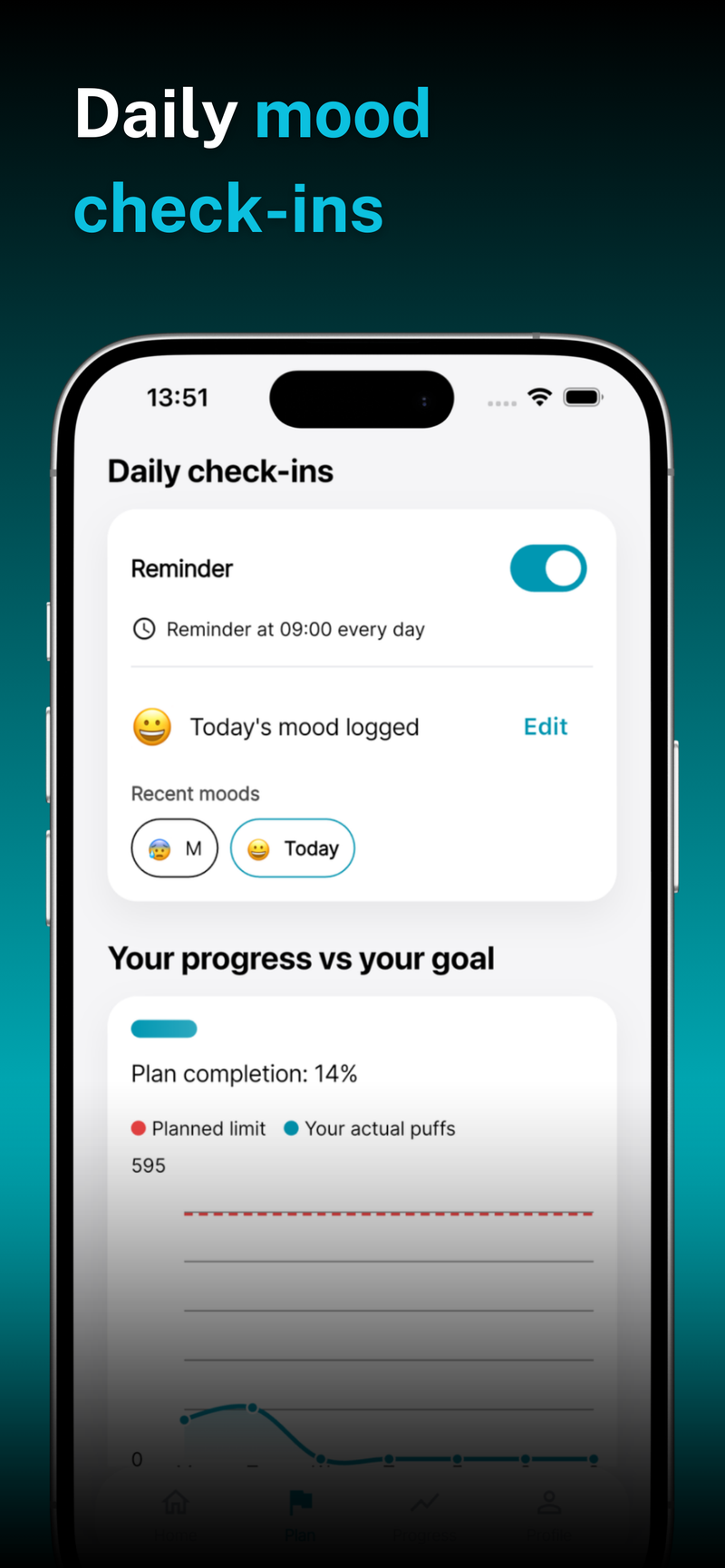

💪 Onboarding & Personal Setup (personalized quit plan)