
Nicotine Withdrawal Sleep Disruption: Practical Sleep Tips
Nicotine withdrawal can disrupt sleep, making quitting feel tougher. This guide offers practical, proven strategies to stabilize rest—from routines and environment to daytime activity and relaxation techniques—so you can endure cravings and sleep better on your quit journey.
Introduction
Quitting smoking or vaping is a bold choice—and sleep can feel like the stubborn roadblock in the path to success. If you’re waking up several times, tossing and turning, or waking with cravings that pull you toward a cigarette, you’re not alone. Nicotine withdrawal often disrupts sleep in the early weeks, but with a clear plan you can restore rest and strengthen your quit.
Research suggests that a large share of people experience sleep disturbances in the first two weeks after quitting—roughly 70-80%—but these issues typically ease as your body adjusts. This guide focuses on practical, non-medical strategies you can start tonight. The aim is simple: better sleep, steadier mood, and fewer cravings, so you can stay on track with your quit journey.
Understanding why sleep gets disrupted during nicotine withdrawal
The science in plain terms
Nicotine acts as a stimulant. When you quit, your nervous system has to recalibrate, which can raise arousal, irritability, and anxiety at night. Withdrawal can also cause more awakenings, lighter sleep, and vivid dreams. Over time, these patterns often improve as nicotine leaves your system and your circadian rhythm stabilizes.
What to expect in the first weeks
Expect some uneven nights, especially in the first week or two. You may crave a cigarette in the middle of the night or feel more tired during the day. This is normal, and it doesn’t mean you’ve failed. Small, steady adjustments to sleep habits can have a meaningful impact within days to a couple of weeks.
Practical, day-to-day tips to protect sleep
1) Establish a consistent sleep schedule
2) Build a wind-down routine
3) Create a sleep-friendly environment
4) Mind caffeine and alcohol timing
5) Get daytime light and movement
6) Manage cravings in ways that don’t wake you up
7) Practice relaxation techniques
8) When to consider sleep aids with caution
9) Track progress and adjust
10) Naps and daytime balance
When to seek help
If sleep problems persist beyond 4 weeks, or you notice depression, heavy anxiety, or significant daytime impairment, consult a healthcare professional. Sleep health is deeply connected to overall mood and physical health, and a clinician can tailor strategies to your situation.
Conclusion
Sleep disruption during nicotine withdrawal is common but manageable with a deliberate plan. By establishing a consistent schedule, optimizing your sleep environment, moderating stimulants, and incorporating relaxation techniques, you can improve rest and maintain momentum on your quit journey.
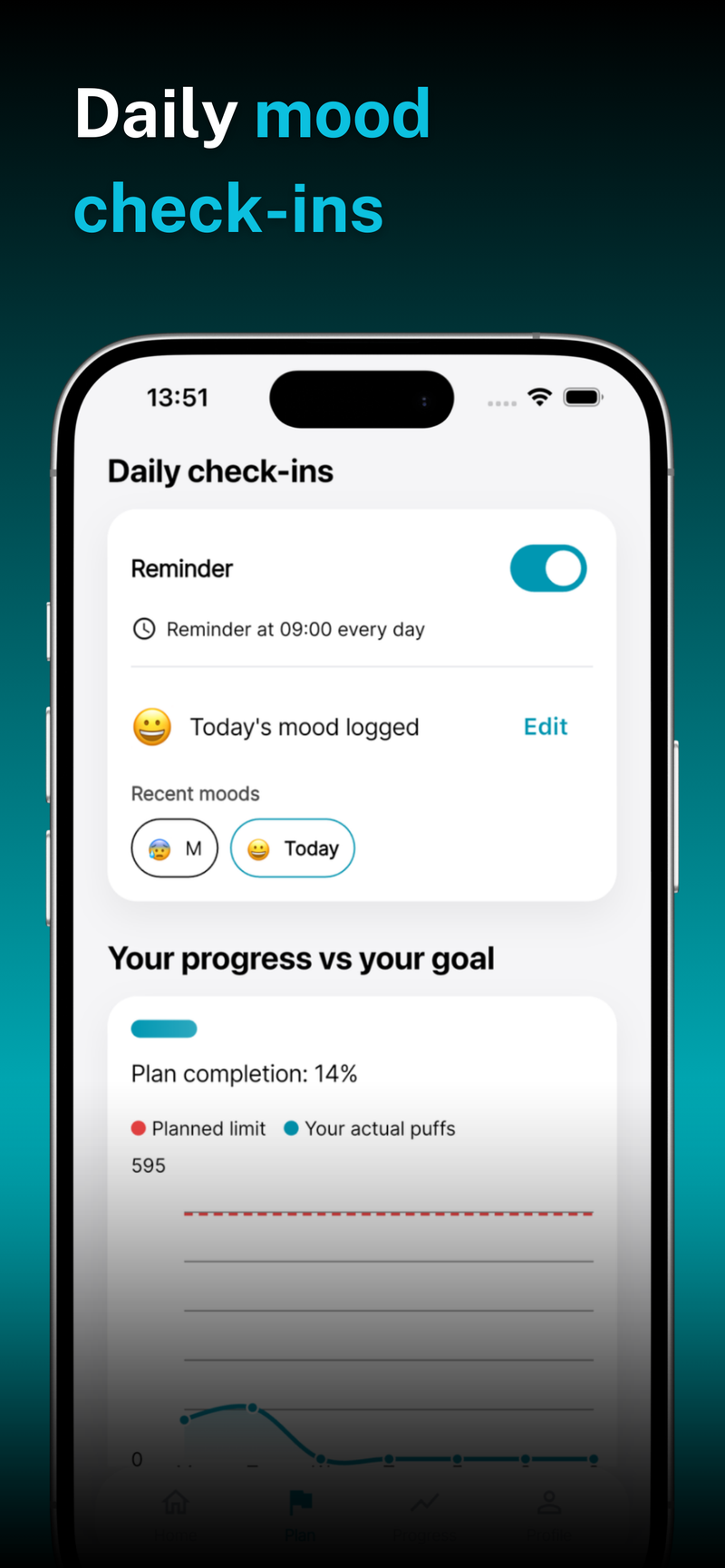
If you’re looking for a structured path, Quit Smoking & Vaping can help with onboarding and personal setup to tailor a quit or reduction plan to your lifestyle. Onboarding & Personal Setup can guide you through a friendly introduction, a multi-step plan, and a clear timeline—supporting you as you build healthier sleep and a smoke-free future.



💪 Onboarding & Personal Setup