Quit Smoking

Quit Smoking

Your journey to freedom

·Health

Nicotine Withdrawal: Steps to Quit Smoking or Vaping

Struggling with nicotine withdrawal after deciding to quit smoking or vaping? This practical guide offers proven strategies to manage symptoms, reduce cravings, and build a sustainable plan. Learn how to ride the wave of withdrawal with real steps and support.

smoking cessationnicotine withdrawalquit smokingvaping cessationwellness

Introduction


Deciding to quit smoking or vaping is a powerful move. The days after that decision can feel rough—mood swings, irritability, cravings, and disrupted sleep are common. You’re not alone, and withdrawal is a normal part of the process. With predictable steps and small daily wins, you can ride the wave rather than be swept away by it.

Understanding nicotine withdrawal: what happens and why


Nicotine changes brain chemistry. When you stop, your brain notices and signals withdrawal. The symptoms vary, but common ones include irritability, anxiety, restlessness, craving spikes, difficulty concentrating, increased appetite, and sleep disturbances.
  • Timeline basics: withdrawal can begin within hours of your last use, peak in the first 2–3 days, and gradually ease over 2–4 weeks. Some cravings and cues may linger for months, especially around routines and triggers.

  • Why this happens: nicotine acts like a bridge between pleasure and relief. Without it, your body relearns to function without that bridge, which shows up as physical and emotional signals.
  • Realistic perspective helps: withdrawal is uncomfortable, but it doesn’t last forever, and the intensity often tapers with time and coping skills.

    Practical, actionable strategies to manage symptoms


    1) Build a plan and set realistic goals


    A clear plan reduces uncertainty and surface-level anxiety. Try these steps:
  • Pick your main goal: monitor & reduce, or completely quit.

  • Set a target timeline and plan duration.

  • Log your current baseline: daily cigarettes or puffs and weekly spending.

  • Schedule a quit date or a gradual reduction pace that feels doable.

  • Identify one or two substitutes for your top triggers (water, gum, a short walk).
  • 2) Manage cravings in the moment


    Cravings come and go. Use these techniques to ride them out:
  • Urge surfing: observe the urge for 1–2 minutes without acting, and it often passes.

  • Delay technique: tell yourself you’ll wait 10 minutes; cravings usually fade in that window.

  • Distraction with action: sip water, chew sugar-free gum, snap a quick stretch, or call a friend.
  • 3) Replace the habit and keep your mouth busy


    Oral and ritual cues are powerful:
  • Keep healthy snacks handy (carrots, nuts, fruit).

  • Sugar-free gum or peppermint lozenges can help some people with oral fixations.

  • Hydration is key—water can curb cravings and support energy levels.
  • 4) Sleep, nutrition, and physical activity


    Better basics mean stronger willpower:
  • Sleep: maintain a consistent schedule; a cool, dark room helps with sleep quality.

  • Nutrition: prioritize proteins and fiber; it can reduce sudden hunger and steady energy.

  • Movement: 20–30 minutes of moderate activity most days improves mood and reduces cravings.
  • 5) Stress management and coping skills


    Stress often amplifies withdrawal symptoms. Try:
  • Breathing: 4-7-8 breathing or box breathing (inhale for 4, hold 4, exhale 4, hold 4).

  • Mindfulness: 5-minute body scan or a simple grounding exercise when tension rises.

  • Journaling: jot one trigger you faced and one success from the day.
  • 6) Day-by-day and week-by-week approach


    A simple progression keeps motivation intact:
  • Day 1–3: reduce exposures to triggers; keep busy with new routines.

  • Week 1: expect mood swings and old cravings; prepare responses.

  • Week 2–4: cravings become less intense; energy and sleep often improve.

  • Week 4+: celebrate small milestones; reinforce the new rhythm.
  • 7) Support and environment


    Your surroundings matter:
  • Tell trusted friends or family about your plan; ask for encouragement.

  • Remove easy triggers from your space: empty cups, lighters, ashtrays, or vape devices.

  • Choose triggers to replace with healthier rituals (a 10-minute walk after meals, a short stretch break).
  • 8) When to consider aids or professional help


    Evidence-based options can improve success:
  • Nicotine replacement therapy (gum, lozenges, patches) or prescribed medications can double quit success rates for some people. Talk with a healthcare professional to see what’s appropriate for you.

  • Counseling or behavioral support provides skills to handle cravings and high-risk situations.
  • Why withdrawal management matters


    Withdrawal isn’t just a physical response; it’s a signal that your brain is relearning. With consistent practice, you can reduce the frequency and strength of cravings, improve sleep, stabilize mood, and reclaim control over daily routines. The goal is sustainable change, not perfection in the first week.

    Additional tips to stay on track


  • Track progress: log days without tobacco or reduced usage; note successes and slip-ups without judgment.

  • Reward yourself: small, meaningful rewards for milestones (a movie night, a new book, a favorite meal).

  • Revisit your plan monthly: adjust goals as energy, triggers, and routines evolve.
  • When to seek help and what to expect


    If withdrawal symptoms are overwhelming, persistently depressed, or you experience thoughts of self-harm, seek professional guidance promptly. Persistent cravings and relapse risk can be higher in the first month; ongoing support and a tailored plan can make a big difference.

    Quick statistics to keep in mind


  • Many quit attempts fail in the early weeks, highlighting the value of a structured plan and supports.

  • Nicotine replacement therapy and other aids can significantly improve quit rates compared with going it alone.
  • Conclusion


    Quitting is a process, not a single moment. By understanding withdrawal, planning realistically, managing cravings as they arise, and building a supportive environment, you can reduce discomfort and build lasting change. Remember—the steps you take today lay the groundwork for healthier everyday choices tomorrow.

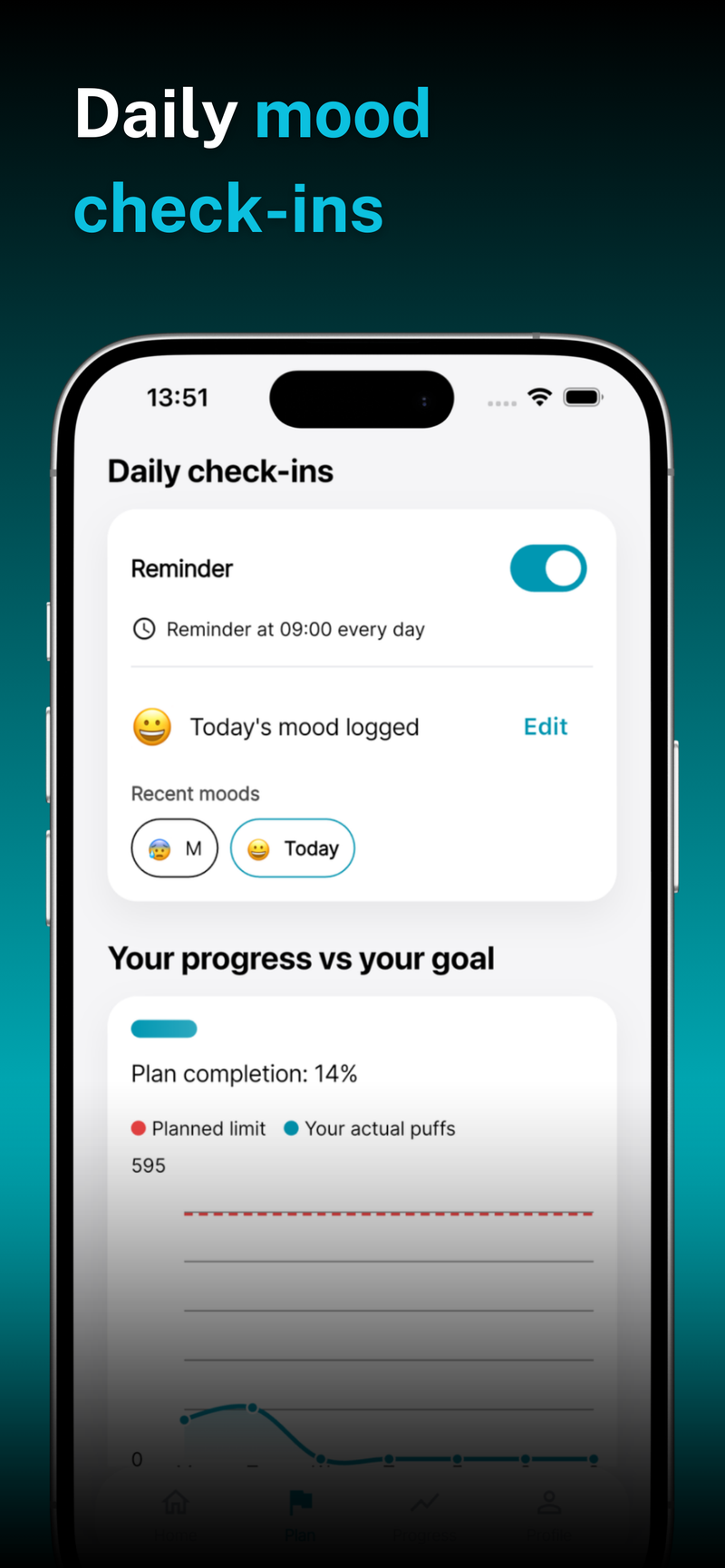
    If you’d like a guided start that walks you through onboarding and a personalized quit plan, consider a structured tool designed for this purpose. Quit Smoking & Vaping can help with this.

    Quit Smoking icon

    Quit Smoking

    Your journey to freedom

    Free • In-App Purchases
    GET
    Dashboard
    Progress
    Health
    Savings
    Motivation
    Stats
    Daily MotivationProgress TrackingHealth MilestonesMoney Saved

    💪 Onboarding & Personal Setup (personalized quit plan)

    Related Articles

    Quit Smoking

    Your journey to freedom