
·Health
Nicotine Withdrawal Timeline: Week-by-Week Expectation
Quitting is a journey, and withdrawal happens in stages. This week-by-week guide explains what to expect, with practical strategies to cope with cravings, sleep changes, and mood swings. Use the timeline to plan, stay motivated, and build lasting habits.
quit-smokingnicotine-withdrawalhealth-wellnesshabitssmoking-cessation
Introduction Quitting smoking or vaping is a bold choice, but the withdrawal phase can feel unpredictable and tough. You’re not alone if cravings, mood swings, or sleep troubles show up in the days and weeks after your quit date. Understanding the typical withdrawal timeline can help you plan for those moments and stay motivated. This guide outlines what to expect week by week and pairs each phase with practical, real-world steps you can take starting today. ## The Week-by-Week Timeline Nicotine withdrawal follows a fairly predictable arc for many people: the most intense symptoms tend to peak early, then gradually ease, while some urges may linger for weeks or months. Remember, every journey is personal—use this as a framework, not a rulebook. ### Week 1: The first 7 days What you might notice: - Strong cravings and urges that feel urgent - Irritability, anxiety, and mood swings - Sleep disturbances and vivid dreams - Increased appetite and changes in taste or smell - Cough, throat irritation, or a sore throat as lungs begin to recover What helps now: - Use a simple delay tactic: when a craving hits, wait 5 minutes and do a quick activity (drink water, breathe deeply, go for a brisk 5-minute walk). - Keep oral fixation satisfied with sugar-free gum, mints, or crunchy vegetables. - Hydrate and eat balanced meals to stabilize mood and energy. - Create a trigger plan: note where you typically smoke or vape, who you’re with, and what you’re feeling—then plan a healthy alternative for those moments. - Prioritize sleep: a consistent bedtime, cool room, and screen-free wind-down can reduce irritability. ### Week 2: Settling in What you might notice: - Cravings begin to lessen in intensity but can still be frequent. - Mood swings may start to ease; energy starts to return, though fatigue can still appear. - Appetite remains higher for some people; weight gain concerns may surface. - Coughing and mucus production can increase as lungs clear residue. What helps now: - Maintain a daily routine that includes movement, regular meals, and hydration. - Consider light exercise (walking, cycling, or short workouts) to improve mood and reduce cravings. - Practice breathing techniques during urges (inhale for 4 seconds, exhale for 6). - Keep your environment supportive: avoid high-risk places or people who trigger a smoke or vape urge when possible. ### Week 3: Regaining momentum What you might notice: - Sleep quality improves; mornings may feel fresher. - Sense of taste and smell often return more fully. - Urges still appear, but they’re more manageable and less intense. What helps now: - Reframe urges as temporary, not a failure. - Use positive self-talk and short mindfulness exercises to ride out cravings. - Continue healthy meals and hydration to support mood stability. - Start tracking progress: days smoke/vape-free, money saved, and health improvements. ### Week 4: Most physical withdrawal fading What you might notice: - Physical withdrawal symptoms fade for many people. - Cravings can still occur, but they’re typically shorter and less frequent. - Cough may persist as airways heal; energy levels stay higher than in week 1. What helps now: - Solidify a sustainable routine: steady sleep, regular meals, and planned physical activity. - Prepare for social situations by deciding in advance how you’ll respond to triggers (e.g., coffee breaks with a non-smoker, or non-nalcoholic beverages in social settings). - If you used nicotine replacement therapy (NRT) or other aids, consult a clinician about tapering safely. ### Weeks 5–8: Building resilience What you might notice: - Cravings continue to decrease in frequency and intensity. - Physical improvements become noticeable: breathing feels easier, and stamina improves. - Weight changes may stabilize as you adapt to new routines. What helps now: - Reinforce your coping toolkit: breathing, short walks, and quick distractions when urges appear. - Revisit your goals and celebrate milestones (days, weeks, money saved). - Look for long-term triggers (stress, alcohol, certain social contexts) and plan alternatives in advance. ### Month 3 and beyond: Long-term stability What you might notice: - Overall health continues to improve: better circulation, clearer lungs, and more sustained energy. - Cravings are much less disruptive and occur mostly during high-stress moments or strong exposure to old habits. - The relapse risk is still present but often lower each month as new habits solidify. What helps long-term success: - Maintain a steady routine, and keep a visible reminder of your reasons to quit. - Build a savings log to visualize the financial benefits of not smoking or vaping. - Seek ongoing support (family, friends, or support groups) to stay accountable. ## Practical, universal tips that help across all weeks - Prepare for triggers: identify your top five triggers and plan a one-minute alternative action for each. - Replace the ritual, not just the nicotine: drink water, chew mint gum, or take a quick walk to replace the act of smoking or vaping. - Sleep and stress management: consistent sleep, reduced caffeine late in the day, and stress-reduction practices like mindfulness or gentle stretching. - Nutrition and hydration: balanced meals, fiber-rich foods, and water help with appetite and mood swings. - Support networks: tell a friend or family member your plan and request encouragement during tough moments. - If you’re using vaping as part of a step-down plan, have a clear taper plan and discuss it with a healthcare professional to minimize withdrawal discomfort. ## What to remember about the timeline - Withdrawal symptoms tend to peak in the first 1–3 days after quitting and typically ease over 2–4 weeks for most people. - Cravings can linger for weeks or months, but their frequency and intensity usually diminish over time. - The early weeks are the most fragile, but they’re also when you lay the groundwork for lasting change. Consistency matters more th


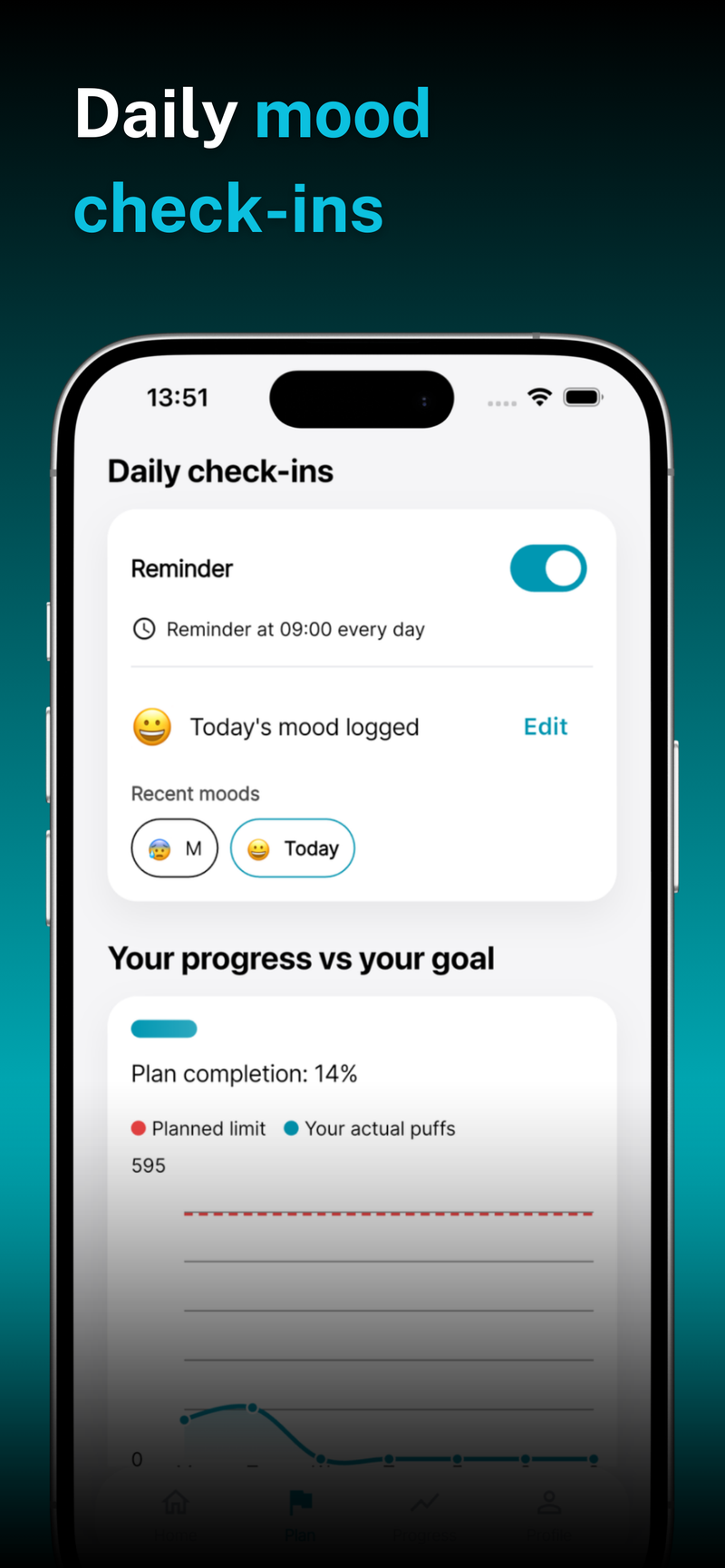

Daily MotivationProgress TrackingHealth MilestonesMoney Saved
💪 Onboarding & Personal Setup