Introduction
Quitting smoking or vaping is a bold decision. The moment you commit, withdrawal symptoms often arrive—irritability, cravings, headaches, and sleep disruption. You may notice food cravings spike as your body adjusts. The good news: what you eat, and when you eat it, can help blunt those symptoms and keep your mood steady. Food won’t erase nicotine, but it can provide steady fuel, reduce spikes in energy and mood, and support your brain and body during the adjustment period.
Main Content
The goal is to create a simple, sustainable eating rhythm that supports withdrawal management. Below are practical, evidence-informed steps you can start today.
Stabilize blood sugar with regular meals
Eat every 4-5 hours to prevent sharp drops that can trigger irritability and cravings.Build each meal around a balance of protein, fiber, and healthy fats.Sample day:Breakfast: Greek yogurt with berries and a handful of nutsLunch: Turkey or chickpea bowl with quinoa and mixed vegetablesSnack: Apple with peanut butterDinner: Grilled salmon, brown rice, and steamed broccoliWhy it helps: steady blood sugar reduces mood swings and cravings, making it easier to resist the urge to smoke or vape.Hydration and caffeine management
Aim for about 2-3 liters of fluids daily, prioritizing water and unsweetened beverages.Caffeine can amplify jitters and sleep problems during withdrawal. Consider limiting to 1-2 cups of coffee or tea, especially later in the day.If you crave something warm, try herbal tea or warm water with a splash of lemon.Hydration can also reduce headaches and help with fatigue common in early quitting weeks.Prioritize protein and fiber at every meal
Protein supports fullness and helps regulate mood-related neurotransmitters.Fiber-rich foods slow digestion and provide lasting energy. Include vegetables, whole grains, beans, and fruit.Target roughly 20-30 grams of protein per main meal, depending on your body size and activity level.Quick ideas: eggs with vegetables, lentil soup, or a chicken-and-vegetable stir-fry with brown rice.Key nutrients to support mood and energy
Vitamin C: citrus, peppers, berries – supports immune function during increased stress.B vitamins: whole grains, leafy greens, eggs – aid energy production.Omega-3 fats: fatty fish, flaxseeds, walnuts – support brain function and mood.Magnesium: nuts, seeds, leafy greens – may help with sleep and relaxation.A note: if you have dietary restrictions or health conditions, talk with a clinician before adding supplements.Snack ideas that curb cravings
Apple slices with almond butterCarrot sticks with hummusGreek yogurt with a sprinkle of seedsAir-popped popcorn with a light sprinkle of olive oil and herbsCottage cheese with pineapple piecesKeeping healthy snacks on hand reduces the chance of reaching for a cigarette or vape when a craving hits.Sleep, movement, and routine
Exercise 20-30 minutes most days; it can reduce withdrawal symptoms and improve mood and sleep.Prioritize sleep hygiene: a dark room, consistent bedtime, and a wind-down routine signal your body to rest.Small daily rituals—like a midday walk or a short stretching break—help manage tension between meals and cravings.Manage triggers and mindful eating
Identify situations that pair with smoking or vaping (certain breaks, after meals, social events).Plan a food-based alternative during those moments: a glass of water, a piece of fruit, or a quick high-protein snack.Practice slow, mindful eating at meals to increase satisfaction and reduce impulsive snacking or cravings.Social triggers and alcohol
Alcohol can intensify cravings and lower resolve for some people.If you drink, alternate with water, choose non-alcoholic options, and be mindful of quantity and context.Have a plan for gatherings: eat a balanced meal beforehand and bring a healthy snack so cravings don’t derail you.Putting it all together: a simple weekly meal framework
Plan 2-3 main meals with protein, fiber, and healthy fats for each day.Prepare 1-2 easy snacks in advance to handle cravings quickly.Drink water consistently and limit caffeine late in the day to protect sleep.Review what worked weekly and adjust portions or snacks as needed to maintain energy and mood.Conclusion
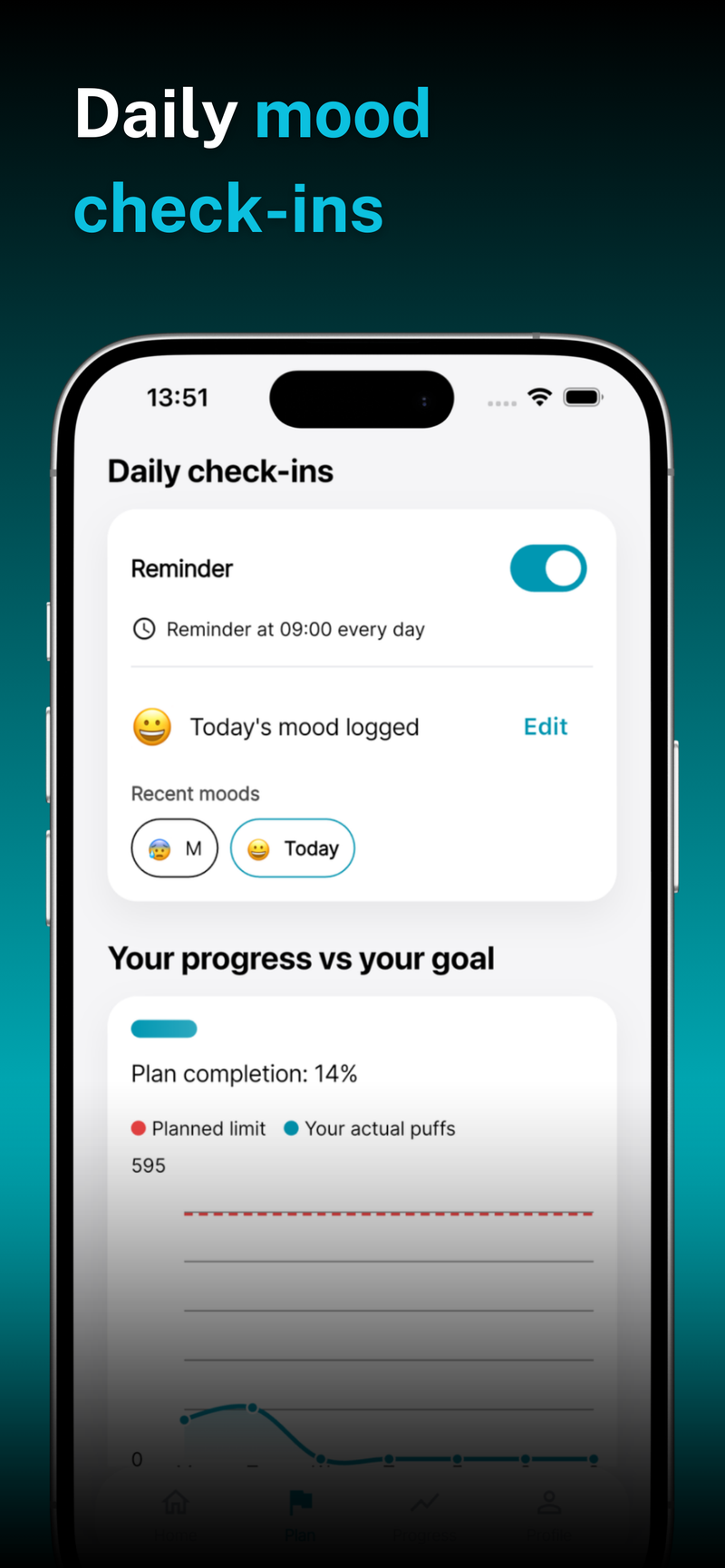
Withdrawal is a phase, not a permanent barrier. A steady, nourishing eating pattern can lessen the intensity of cravings, improve mood, and support sleep and energy as your body adapts. Start with small, manageable changes—regular meals, hydration, and nutrient-dense snacks—and build from there. If you want a structured, personalized approach that aligns your quit plan with nutrition, Quit Smoking & Vaping can help with this. Fokus Puff’s user-friendly features offer onboarding and personal setup to tailor your quit or reduction plan—helping you choose your product type, set your goal, pick a timeline, and track daily use as you work toward healthier habits.