
·Health
Overcoming Nicotine Cravings: A Practical 6-Step Guide
Cravings can feel overwhelming, but a practical 6-step plan can help you manage them. Learn actionable strategies to handle triggers, delay urges, and build a steady path to quitting or reducing nicotine.
healthsmoking cessationquit smokingvapingcravings
Introduction
If you’ve ever felt a sudden spike of nicotine urge—mid-meeting, after a meal, or with a hot coffee in hand—you’re not alone. Cravings come from a mix of biology and habit, and they can feel overwhelming even when you’re determined to quit or cut back. The good news: cravings are usually brief, and with a clear, practical plan you can ride them out and keep moving forward. This 6-step guide sticks to real, actionable strategies you can start today.
The 6-step guide to overcoming cravings
Step 1: Identify triggers and cravings patterns
Understanding when cravings hit helps you prepare for them. Spend a week noting:
Actionable moves:
Acknowledge that triggers are normal and change with time; the goal is to reduce their power, not eliminate them overnight.
Step 2: Master delay and distraction
Cravings peak quickly and often fade if you don’t act. Use a 5-minute delay rule:
These micro-actions shorten the craving window and keep you in control.
Step 3: Replace the habit with a mindful ritual
Habit thrives on routine. Build substitutes for your high-risk moments:
The aim is to satisfy the sensory cues—mouth, hands, and routine—without nicotine.
Step 4: Support your body to weather withdrawal
Withdrawal can bring mood swings, sleep changes, and irritability. Support yourself with:
If you’re considering nicotine replacement therapy or medications, consult a clinician to choose what’s right for you. Remember, lifestyle supports often have a bigger impact than willpower alone.
Step 5: Build support and track progress
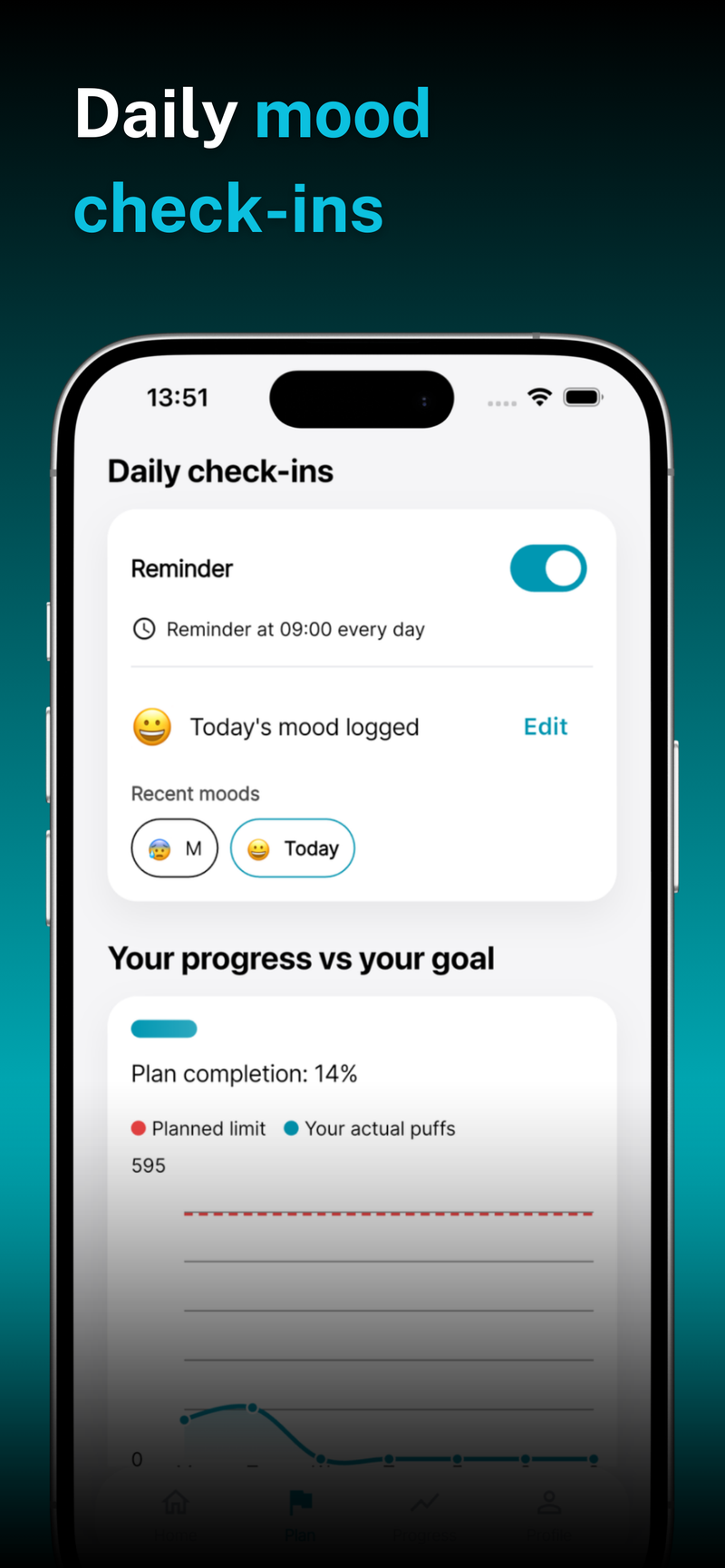
You don’t have to go it alone. Strengthen accountability with small, ongoing checks:
A solid support system makes the tough days feel doable and keeps you motivated.
Step 6: Prepare for high-risk situations and rehearse your plan
Anticipate tricky moments and rehearse your response:
Cravings come and go; your job is to shorten their impact and return to your routine quickly. Regular practice makes the plan stickier over time.
Conclusion
Cravings are a normal part of quitting or reducing nicotine, but you can limit their power with a concrete plan. By identifying triggers, delaying, substituting, supporting your body, building support, and rehearsing for high-risk moments, you create a reliable path forward. Remember, relapse risk is highest in the first week, so focus on consistent, small wins and adjust as needed. If you’d like a guided version of this six-step approach, a structured program can help you apply it more smoothly.
If you want a structured, personalized way to apply this plan, Quit Smoking & Vaping can help with onboarding and a personal setup to tailor goals, track progress, and stay accountable. This approach emphasizes a clear plan, practical steps, and steady progress—without pressure or judgment.



Daily MotivationProgress TrackingHealth MilestonesMoney Saved
💪 Onboarding & Personal Setup