Quit Smoking

Quit Smoking

Your journey to freedom

·Health

Plan Social Situations to Stay Smoke-Free in 30 Days

Plan ahead for social moments, map your triggers, and adopt practical in-the-m moment strategies to stay smoke-free for 30 days. This guide offers actionable steps, planning templates, and supportive tips to help you navigate social life without smoking or vaping.

smoking cessationvaping cessationbehavioral strategiescraving managementsocial situations

Introduction

Quitting smoking or vaping often feels daunting, especially when social situations pull you toward old habits. You might dread after-work hangs, family dinners, or gatherings where everyone lights up. The good news: with a clear plan for social contexts, you can stay smoke-free for 30 days and beyond. This guide offers practical, real-world steps you can start today, in your own pace.

Understanding social triggers

Your social life is full of triggers that can derail your plan. Alcohol can amplify cravings; peer pressure can push you to fit in; and familiar routines (driving to a shop, finishing a meal) can cue a cigarette or puff. The key is not to ban socializing, but to anticipate the moments that make you want to smoke and respond with intentional actions.

Build a social plan map


  • Identify your common settings: bars, sporting events, birthday parties, family dinners, coffee runs with coworkers.

  • For each setting, list the primary trigger (craving, pressure, habit cue) and a concrete plan (what you’ll say, where you’ll stand, who you’ll lean on).

  • Note flexible options: a different venue, a short break outside, or an alternative activity.

  • Include a fallback plan if you slip: reframe the moment, contact your accountability partner, or reschedule if possible.
  • Pre-event prep checklist


    1) Decide your main goal and timeline. Will you quit completely or reduce gradually? Set a target of 30 days for this initial phase.
    2) Record your current daily count to measure progress and stay accountable.
    3) Estimate money saved per week by staying smoke-free and use it as motivation.
    4) Pack practical substitutes: sugar-free gum, water, healthy snacks, and a small stress-relief item (stress ball, fidget toy).
    5) Choose an accountability buddy who will check in with you during the month.
    6) Prepare simple refusal lines you’re comfortable using:
  • I’m taking a break from smoking tonight.

  • I’m focusing on my 30-day plan.

  • Thanks, but I don’t smoke anymore.
  • In-the-moment strategies


  • The five-minute rule: when a craving hits, delay for five minutes. Cravings often peak and subside; this pause helps you choose a healthier action.

  • Box breathing: inhale 4 counts, hold 4, exhale 4, hold 4; repeat a few rounds to lower arousal.

  • If-Then planning: If someone offers a cigarette, Then say one of these phrases with calm, respectful tone:

  • No thanks, I’m not smoking tonight.

  • I’m taking a break from cigarettes for the month.

  • I’m saving money and improving my health—no smoke today.

  • Move the moment: step outside with a non-smoking friend, grab a glass of water, or take a brief walk.

  • Hydration and alternatives: sip water, chew gum, snack on something crunchy to occupy your mouth and hands.
  • After the event: reflect and adjust


  • Quick debrief: what triggered the urge, what helped, and what could be improved next time?

  • Note which strategies worked best (refusal lines, being in a certain space, a trusted ally nearby).

  • Celebrate small wins: a smoke-free day or event, even if you didn’t feel perfect the whole time.

  • Update your plan based on what you learned to increase odds of success next time.
  • Build a support system


  • Arrange an accountability partner for check-ins before and after social events.

  • Schedule short, regular reflections (weekly) to track progress and recalibrate goals.

  • Seek low-pressure social settings early in the month to practice new habits with less risk.
  • A practical 30-day outline


  • Week 1: Map your triggers, set a clear goal, and practice your refusal phrases in low-stakes situations.

  • Week 2: Attend social events with a buddy; use planned alternatives when cravings arise; track your daily counts.

  • Week 3: Expand to more challenging environments (new venues, larger gatherings) while keeping a tight grip on strategies.

  • Week 4: Solidify routines, review what worked, and prepare a plan for maintaining smoke-free status beyond 30 days.
  • A few evidence-based notes


  • Research emphasizes that planning for social triggers and building coping strategies improves quit success compared with relying on willpower alone.

  • Cravings tend to be strongest in the first days and during social prompts like drinking or celebrations, so having concrete actions ready can reduce relapse risk.
  • Conclusion

    Staying smoke-free in social settings is less about pure restraint and more about thoughtful preparation, practiced responses, and steady support. By mapping your environments, pre-planning your responses, and using in-the-moment strategies, you can navigate most social situations without lighting up. Track your progress, celebrate small wins, and keep refining your approach as you progress.

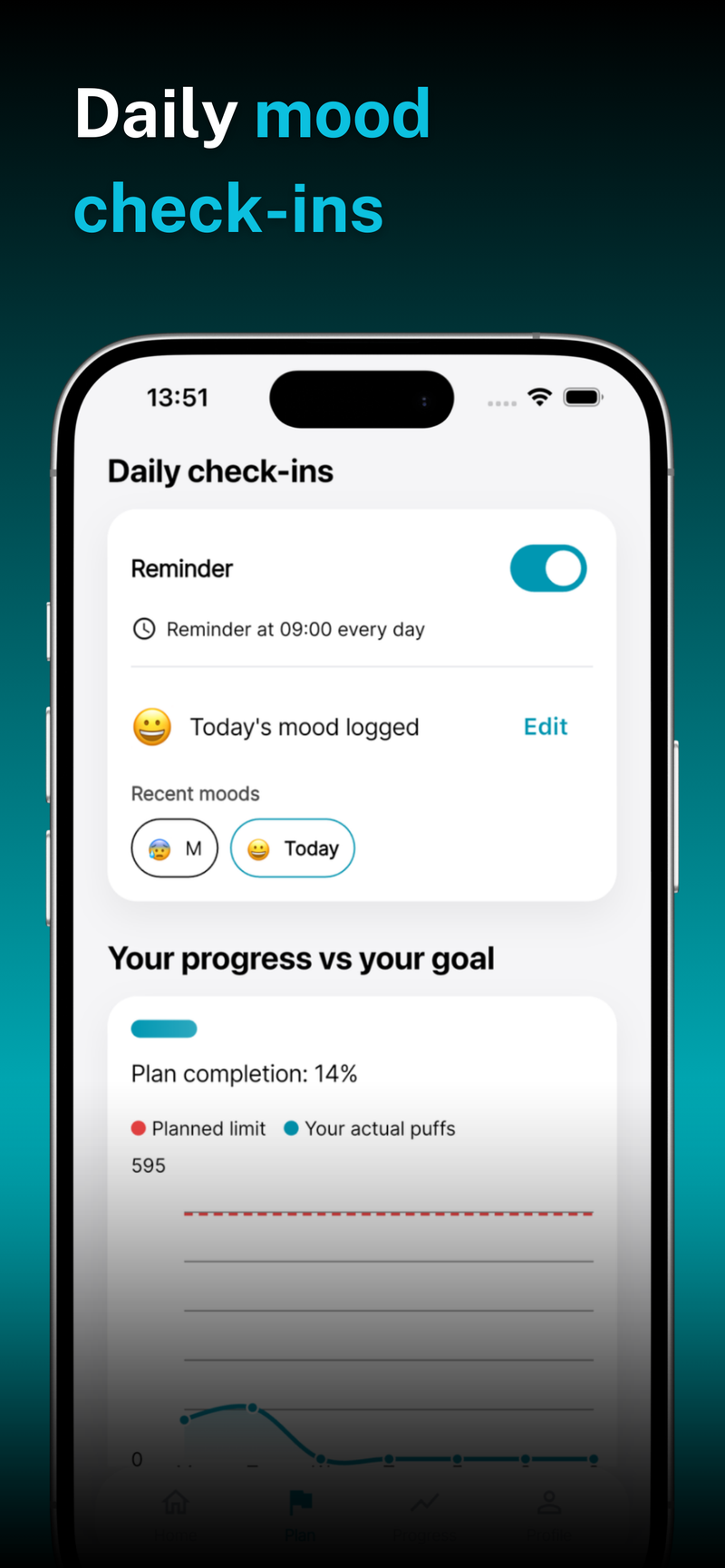
    If you’re looking for a structured way to turn this plan into a personalized program, consider a guided onboarding and personal setup approach. Tools that help you tailor your quit plan, set a timeline, and monitor daily counts can enhance consistency and accountability on your 30-day journey.

    Promoting a mindful, prepared approach can make a real difference when it comes to staying smoke-free. Remember, you’re building healthier habits one social moment at a time.

    Quit Smoking icon

    Quit Smoking

    Your journey to freedom

    Free • In-App Purchases
    GET
    Dashboard
    Progress
    Health
    Savings
    Motivation
    Stats
    Daily MotivationProgress TrackingHealth MilestonesMoney Saved

    💪 Onboarding & Personal Setup

    Related Articles

    Quit Smoking

    Your journey to freedom