
Practical Guide to Handling Social Triggers Without Nicotine
Social triggers are a common barrier for anyone trying to quit smoking or vaping. This guide offers practical, actionable steps to map triggers, plan ahead, and cope in the moment—without nicotine.
Introduction
If you’ve decided to quit smoking or vaping, you’ve taken a big step. But many of us stumble not at the moment of craving, but in social settings: after-work drinks, family gatherings, or hanging with friends who smoke. The urge can feel familiar and persuasive. The good news: you can build a practical plan that reduces cravings and preserves your social life without nicotine.
Main Content
Understand your social triggers
Triggers aren’t just about cigarettes or puffs; they’re the social cues, environments, and emotions that accompany them. Common ones include:
Treat triggers as patterns you can map and slowly rewrite. The goal is to see the pattern, not blame yourself for it.
Create a trigger diary that works
A simple diary turns guesswork into data. Each time you feel a craving in a social setting, note:
Review weekly to spot patterns and adjust your plan accordingly.
Plan ahead for social events
Use coping strategies you can trust
Build strong if-then plans
Turn uncertainty into action:
Leverage support and accountability
Share your plan with trusted friends or family. Consider joining a support group or online community. A brief message or a kind word can tip the balance on a tough night.
Design your environment to support you
Small changes add up:
Remember the money and health angles
Cravings often pop up during social events, but so do savings opportunities. Track how much you’d spend on nicotine each week and consider directing that money toward healthier activities or small rewards after a nicotine-free stretch. Over time, you may notice better sleep, sharper senses, and steadier energy.
Plan for relapse without judgment
If you slip, analyze what happened, adjust your plan, and try again. Identify the trigger, revise your if-then strategies, and lean on your support network. Relapse is a learning step, not a failure.
Conclusion
Quitting or reducing nicotine in social settings is about turning awareness into action. Map your triggers, pre-plan your responses, and practice quick coping techniques so you can stay true to your goal. With consistent practice, social moments become less intimidating and your confidence grows.
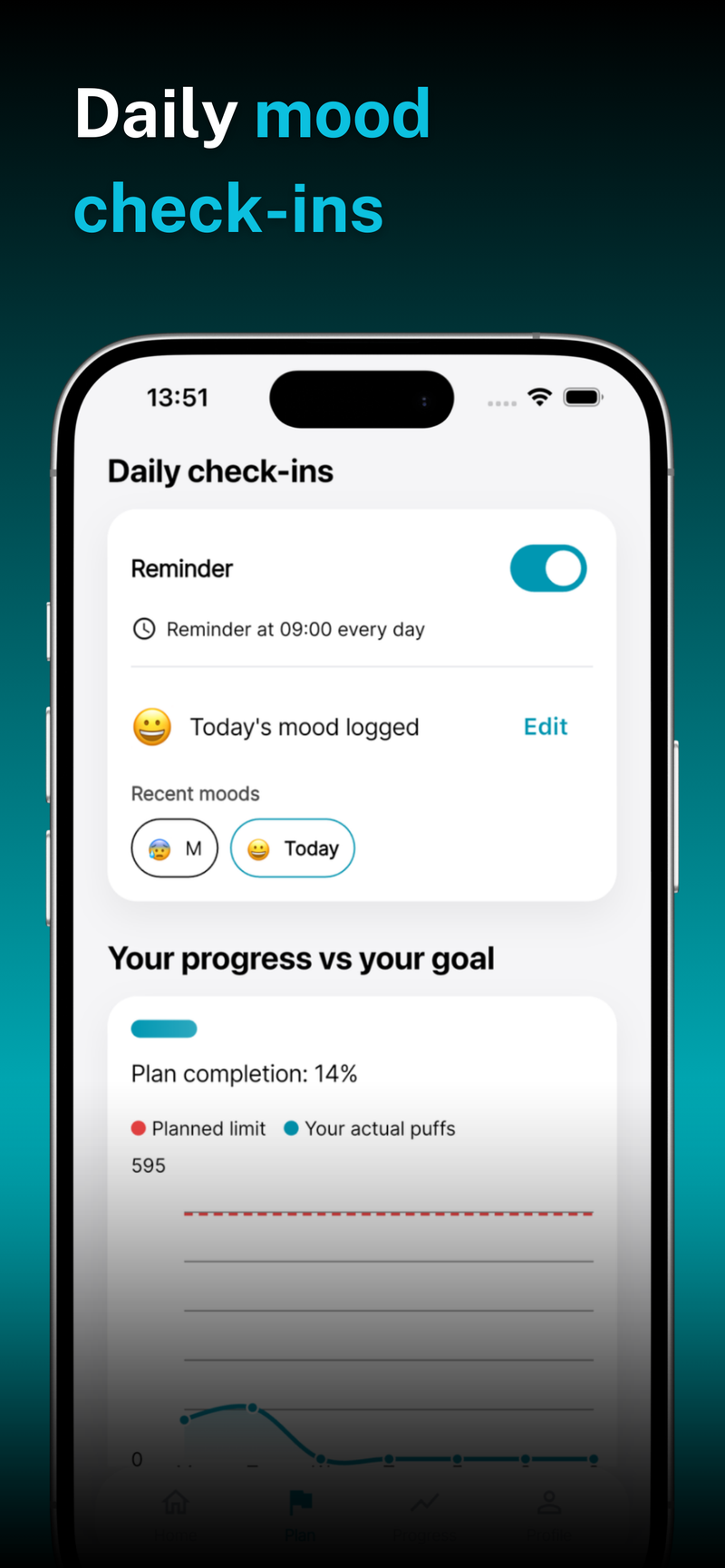
If you’d like a guided path that helps you customize these steps to your life—starting with friendly onboarding and a personal setup to tailor your quit plan—that kind of structured support exists. It focuses on onboarding and personal setup to help you decide your product type (smokes or vapes), your main goal, timeline, and daily habits. It’s one more tool you can choose to supplement your own strategies, not a replacement for your commitment. Quit Smoking & Vaping can help with this, featuring Fokus Puff – User-Facing Features.



💪 Onboarding & Personal Setup