
Practical Monthly Budget for Busy Families
Busy families juggle schedules and costs, making budgeting feel daunting. This practical guide offers simple steps—tracking income, defining needs, sinking funds, and weekly check-ins—to build a realistic monthly plan. A few family-friendly habits can make budgeting effortless and effective.
Introduction
Is your family budget a mess of receipts, sticky notes, and last-minute money talks? If you’re juggling school schedules, activities, groceries, and a dozen other moving parts, a monthly plan can feel out of reach. Yet a simple, realistic budget can reduce stress, boost savings, and still leave room for what matters. Federal Reserve data reminds us why this matters: about 40% of adults would struggle to cover a $400 emergency expense. A small, reliable plan can change that.
Practical steps to a realistic monthly budget
Step 1: Capture income and fixed expenses
Step 2: Define categories and set simple rules
Create three budget zones to make decisions easier:
Tip: Use a basic one-page worksheet with columns for Must-haves, Flexible, and Occasional. This makes it easier to see where money is truly needed vs. where you have room to decide.
Step 3: Use a practical rule and adapt for families
Step 4: Build sinking funds for irregular costs
A sinking fund is a separate, planned savings bucket for predictable, non-monthly costs:
How much to save? Start with a small target per category (e.g., $50–$100 monthly per category) and adjust as you learn your actual costs.
Step 5: Plan variable costs with realism
Variable costs will surprise you unless you plan for them. Track a typical month for items such as:
Estimate a realistic range rather than chasing the lowest price. Round up a little to cover small spikes that happen when kids’ activities resume or a spring sale occurs.
Step 6: Create a simple tracking method
Step 7: Schedule family involvement
Involve everyone in a lightweight way:
Step 8: Build buffer and resilience
Real-world examples
Quick tips for busy schedules
Conclusion
A practical monthly budget for busy families isn’t a rigid jail sentence—it’s a simple framework that makes money decisions predictable, even when life gets chaotic. Start by capturing income and fixed costs, create a few clear categories, and build in small sinking funds for irregular expenses. Check in weekly, involve the family, and adjust as you learn what actually happens in your home.
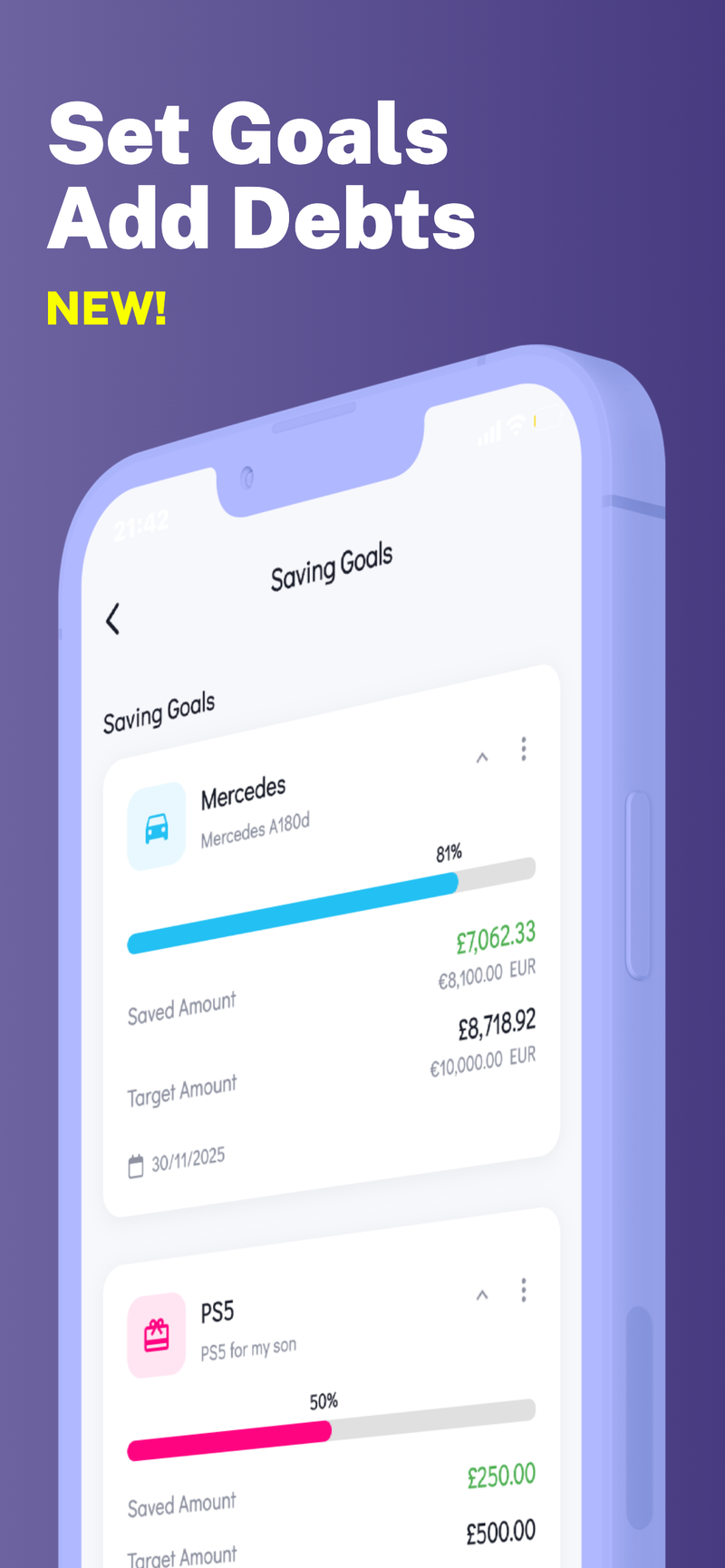
If you’re looking for a privacy-conscious way to apply these steps day to day, Fokus Budget can help with its Multi-Profile Support, letting each family member’s budget live in one secure, on-device space. This can make it easier to track multiple budgets without sacrificing privacy or clarity, especially for households juggling several goals at once.




✨ Multi-Profile Support