Quit Smoking

Quit Smoking

Your journey to freedom

·Health

Quit Smoking Cold Turkey: A Step-by-Step Guide

Craving a practical guide to quitting nicotine? This step-by-step plan helps you choose a path, set a timeline, track progress, and build a sustainable routine. Learn real-world strategies to manage cravings and stay on track.

quit-smokingnicotine-reductioncravingsbehavior-changewellbeing

Introduction

If you’ve ever said, “Today is the day I quit,” only to feel the urge slam back in minutes later, you’re not alone. Nicotine withdrawal is real, and cravings can hit suddenly—especially in familiar settings or after meals, with a drink, or during stress. The goal to quit cold turkey or to reduce nicotine can feel bold and intimidating, but it’s absolutely doable with a clear plan, practical steps, and steady support.

Most people who quit nicotine do so through a series of careful, imperfect attempts. Studies and large-scale surveys show that many quit attempts involve several cycles of trying and readjusting. It’s not a straight line, and that’s okay. With patience, you can shorten the rocky periods and build regular routines that reduce cravings over time.

In this guide, you’ll find actionable, real-world steps you can start today. You’ll set a clear goal, map your triggers, build a toolkit for cravings, and establish a plan you can actually follow—whether you aim to quit entirely or simply cut back while you rebuild healthier habits.

> Quick context: roughly 12-13% of U.S. adults reported smoking in recent years, and many want to quit. A key insight from behavior research is that structured plans, social support, and tangible milestones dramatically improve success rates compared with attempting to quit by willpower alone.

Main Content

H3: Define your goal and choose a path


  • Decide between two broad paths:

  • Quit completely on a chosen date (cold turkey).

  • Map a gradual reduction plan where cravings and nicotine exposure decrease over time.

  • Pick a target date if you’re quitting: a date within the next two to four weeks gives you time to prepare without stalling.

  • Set a realistic plan duration. For many, a focused 6–12 week window is manageable and provides momentum without feeling endless.
  • H3: Establish baseline metrics


  • Track your current usage:

  • Daily cigarettes or puffs, and any vape sessions.

  • Money spent per week on tobacco products.

  • Recording these numbers can be powerful: you’ll see progress in dollars saved and cravings reduced over time.

  • Write your plan on paper or a simple notes app: target date, daily goals, and a short trigger list.
  • H3: Prepare your environment


  • Remove obvious triggers: dispose of cigarettes, lighters, and vaping devices from common places.

  • Create “transition zones” in your day where you avoid tobacco cues (e.g., mornings at home, after meals).

  • Stock healthier substitutes for moments you’d usually reach for nicotine—think water, a quick stretch, or a short walk.

  • Build a simple daily routine that doesn’t rely on nicotine to get through it (sleep, meals, movement, work blocks).
  • H3: Build a craving coping toolkit

    Cravings come in waves and often pass within minutes. Use a mix of strategies to ride them out:

  • Slow, focused breathing (inhale through the nose for 4 seconds, hold 4, exhale 6) to calm the body’s stress response.

  • Move your body for 5–10 minutes when a craving hits (a brisk walk, stairs, a quick chore around the house).

  • Hydration and a small snack can blunt cravings and curb the habit loop.

  • Reach out to someone you trust for a quick chat or support. Verbalizing cravings reduces their power.

  • Change the scenery: step outside, wash your face, or do a quick, engaging task to break the cue.
  • H3: Manage withdrawal symptoms and mood shifts


  • Expect irritability, concentration dips, and sleep changes in the first days to weeks.

  • Prioritize sleep and consistent meals—blood sugar swings can intensify cravings.

  • Moderate caffeine intake if it makes jitters worse; otherwise, keep steady caffeine timing.

  • Maintain a regular exercise routine as tolerated; movement helps with mood and sleep quality.
  • H3: Seek support and accountability


  • Share your plan with a trusted friend or family member who can check in with you.

  • Consider talking with a healthcare provider about your quit plan; guidance can improve success rates.

  • Look for local quit groups or counselor-led sessions. Social accountability matters.
  • H3: Track, review, and adapt


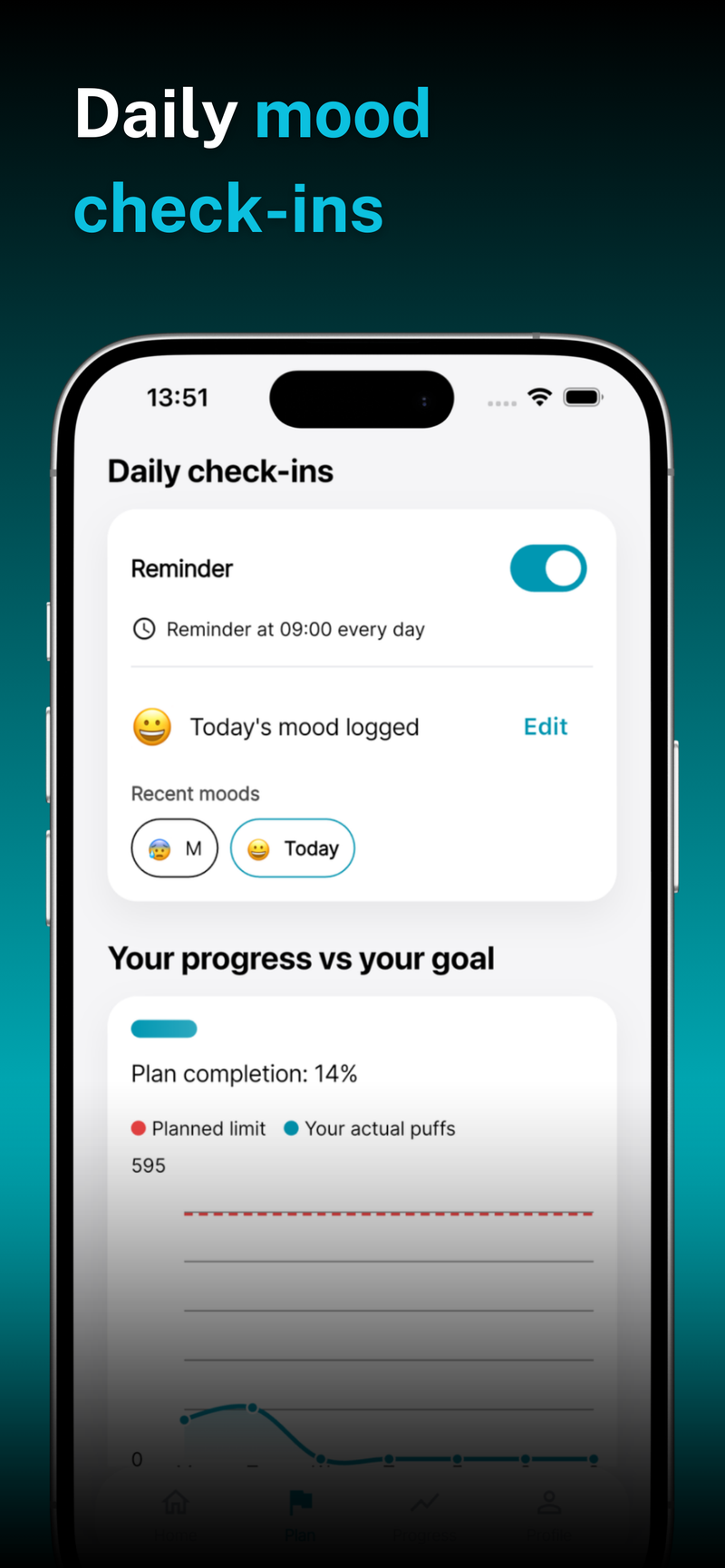
  • Maintain a simple daily log: did you smoke a cigarette or vape today? if yes, what triggered it and how did you respond?

  • Review weekly: which triggers showed up most, and which coping strategies worked best?

  • Use your data to adjust: if a date comes and goes with a relapse, reset without judgment and tighten your plan.
  • H3: Plan for relapse as part of the process


  • If you slip, analyze what happened without blame. Was you were stressed, distracted, or in a high-risk setting?

  • Re-engage quickly: revisit your trigger map, update your coping toolkit, and re-commit to the next milestone.

  • Remember: a relapse isn’t a failure; it’s information that helps you refine your approach.
  • H3: Maintenance and long-term resilience


  • Keep a long-term reminder of why you quit—health, energy, money saved, or family considerations.

  • Schedule periodic check-ins with yourself: monthly milestones can reinforce lasting changes.

  • Anticipate high-risk periods (vacations, holidays, stressful work weeks) and pre-plan coping strategies.
  • Conclusion

    Quitting nicotine is a journey, not a single event. The strongest approach blends a clear plan with flexible adaptation, honest tracking, and steady support. By defining your goal, preparing your environment, arming yourself with effective coping strategies, and monitoring your progress, you can move from moments of craving to longer stretches of smoke-free days.

    If you’re looking for a guided way to turn this plan into a personalized program, Quit Smoking & Vaping offers a structured onboarding and personal setup that helps you choose your product type, set your main goal, pick a target timeline, and input your current daily use and spend. It’s designed to support you without pushing you toward a one-size-fits-all solution. Consider using this kind of guided platform to complement the practica

    Quit Smoking icon

    Quit Smoking

    Your journey to freedom

    Free • In-App Purchases
    GET
    Dashboard
    Progress
    Health
    Savings
    Motivation
    Stats
    Daily MotivationProgress TrackingHealth MilestonesMoney Saved

    💪 Onboarding & Personal Setup

    Related Articles

    Quit Smoking

    Your journey to freedom