Introduction
You're not alone in worrying about weight after quitting. The idea of trading one habit for another — and watching the scale — can feel intimidating. The good news: you can quit or cut back without letting weight creep up. With a practical plan that covers cravings, meals, movement, and routines, you can break free from smoking or vaping while keeping your weight on track.
In this guide, you’ll find concrete steps you can start today. Think of it as a toolkit you tailor to your triggers, habits, and goals. The approach is flexible: you can aim to quit completely or gradually reduce, while avoiding the common pitfall of replacing one habit with uncontrolled snacking.
Practical strategies to quit without weight gain
1) Know your triggers and plan replacements
Map out when you crave a puff (morning coffee, after meals, drinking alcohol, stress).Create a short, doable replacement for those moments (water with a twist of lemon, a brisk 5-minute walk, or a crunchy vegetable snack).Keep healthier options visible and easy to reach (prepped veggie sticks, nuts, or yogurt).Use a quick delay tactic: pause for 2 minutes before giving in; cravings often fade in that window.Track patterns in a simple notebook or on paper so you can anticipate and disrupt them.2) Build meals that curb appetite (protein + fiber focus)
Prioritize protein at every meal (eggs, beans, lean meat, tofu) to feel fuller longer.Include fiber-rich foods (fruits, vegetables, whole grains, legumes) to steady blood sugar and reduce snacks.Balance plates: half vegetables, a quarter protein, a quarter complex carbs, plus healthy fats.Plan snacks in advance: yogurt, a piece of fruit with nut butter, or a small portion of hummus with veggies.Avoid labeling foods as “forbidden.” Instead, set reasonable portions and savor them mindfully.3) Craving management without sugar spikes
Hydration first: sometimes thirst masquerades as hunger or a craving.Use a 2-minute rule: if a craving hits, do a quick task first, then reassess.Chew gum or sip minty tea to satisfy the oral fixation without calories.Keep a list of quick distractions (a short walk, a call to a friend, a brief stretch).When you snack, choose nutrient-dense options with protein or fiber to reduce rebound hunger.4) Move more: exercise as a craving and weight ally
Aim for at least 150 minutes of moderate aerobic activity per week, plus two strength-training sessions.Short bursts count: three 10-minute walks or quick bodyweight workouts throughout the day add up.Use activity to replace a routine that used to trigger smoking (e.g., after a meal, go for a 15-minute walk instead of lighting up).Choose activities you enjoy to build consistency, not guilt.5) Sleep, stress, and routine
Prioritize 7–9 hours of sleep; fatigue can drive cravings and poor food choices.Establish a simple evening wind-down routine (dim lights, gentle stretching, breathing).Practice brief stress-management techniques (box breathing for 4 minutes, a short meditation, or journaling).Keep consistent meal and sleep times to reduce impulsive snacking.6) Plan a quit or reduction timeline that suits you
If you’re aiming to quit, set a realistic target (e.g., 4–8 weeks) and build gradually.If you’re reducing, plot smaller weekly reductions rather than a sudden cut.Pair your timeline with weekly check-ins on cravings, meals, and weight, noting what helped and what tripped you up.Remember: a slip isn’t a failure. Reassess, adjust, and keep moving forward.7) Gentle maintenance: track, reflect, and celebrate non-scale wins
Track more than weight: jot down days you felt strong, cravings you conquered, and meals that kept you full.Celebrate non-scale wins like more energy, better sleep, or fewer coughs in the morning.Avoid daily weigh-ins if it triggers anxiety; aim for a weekly check-in with a balanced view of progress.8) Practical daily schedule (example)
Morning: hydrate with a glass of water, a protein-rich breakfast, and a 10-minute walk after waking.Mid-morning: healthy snack (e.g., Greek yogurt with berries).Lunch: balanced plate with vegetables, lean protein, and whole grains; a short 5-minute stretch after.Afternoon: choose a non-puff break (short walk or breathing exercise).Dinner: protein + fiber-rich sides; end the meal with a mindful two-minute pause.Evening: wind-down routine, light activity if craving strikes, early bedtime.9) What if you vape or smoke and still worry about weight?
Nicotine can blunt appetite, so quitting may temporarily shift hunger signaling. Expect fluctuations and plan meals accordingly.If you’re using nicotine replacement or other aids, monitor cravings and calories as part of your overall plan.Focus on behavior change first; the scale will respond more reliably once cravings are addressed and routines are stabilized.Conclusion
Quitting smoking or vaping is a powerful step toward better health, and managing weight while you quit is entirely achievable with practical, consistent habits. Focus on understanding triggers, fueling your body well, staying active, and maintaining steady routines. Small, intentional changes compound over time and reduce the likelihood of weight gain during your quit journey.
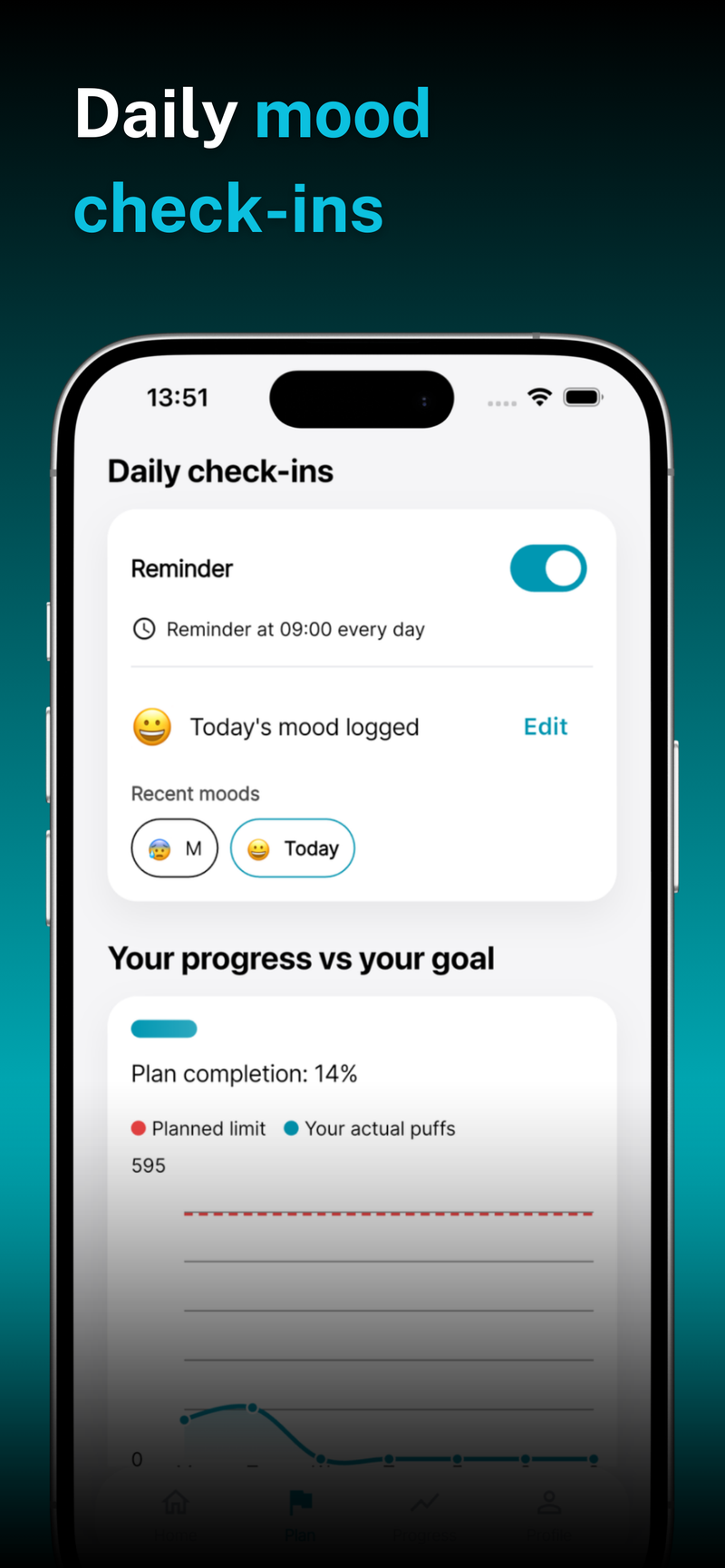
If you’d like a structured way to start, consider a guided onboarding experience that helps tailor your plan to your habit, goals, and timeline. Specifically, an onboarding and personal setup approach can help you choose your product type, set a clear goal, establish a target timeline, and track daily usage and spending as you move toward a smoke-free life. This kind of guided setup can make the quit feel less overwhelming and more doable. Quit Smoking & Vaping can help with this, offering a focused onboarding experience designed to support your personalized quit plan.