Introduction
Is your family budget feeling more like a wish list than a plan? You want to save for emergencies, vacations, and your kids’ activities, but the numbers never seem to align. Many households juggle bills, subscriptions, and irregular expenses, ending the month with stress instead of progress. The good news is that you can reset your family budget in 30 days with a clear, practical plan that fits real life. This guide offers a step-by-step blueprint you can start tonight, with concrete actions, templates, and check-ins to keep you moving forward.
30-day reset plan: An actionable blueprint
Week 1: Audit and baseline
Track every expense for 7 days. Carry a small notebook or use a simple spreadsheet to log everything, including coins and minor purchases.Gather last month’s statements and receipts. Don’t skip small subscriptions or recurring charges.Separate fixed costs (rent, mortgage, utilities) from variable costs (groceries, dining out, fuel).Identify the top 3 recurring subscriptions you could pause or cancel.Quick win: cancel one streaming service or unused app to save a few dollars each month.Data point: Nationally, housing costs are often the largest line item, typically around 30-35% of take-home pay, with transportation and groceries following closely. When you start tracking, you’ll often discover 10-20% of discretionary spending that isn’t adding real value to your life.
Week 2: Build your budget structure
Choose a budget framework that fits your family: 50/30/20 (needs/wants/savings) or 60/20/20 (needs/debt savings/wants).Create a zero-based budget where every dollar has a job by month’s end.Set a realistic savings target for the month (an emergency fund pace, sinking funds for birthdays, or a debt payoff goal).Create a simple monthly plan, e.g., allocate funds for groceries, gas, and essential bills first, then decide what can be set aside for savings.Tip: The key is to make your budget actionable, not abstract. If you know you’ll spend $450 on groceries, $150 on gas, and $200 on dining out, you can clearly see what remains for wants or savings.
Week 3: Cut smart and reallocate
Identify your top 3 adjustments. Common targets include subscriptions, dining out, and impulse purchases.Implement two no-spend days per week to curb nonessential spending.Plan meals, shop with a list, and compare prices to maximize value.Use price comparisons for big purchases and consider store-brand options for staples.Reallocate saved money toward an emergency fund or debt payoff. Even small shifts add up over a month.Practical example: If you currently spend $300 on dining out and $100 on coffee and snacks, cutting dining out by half and replacing one coffee run with home brewing could save $180–$200 monthly.
Week 4: Automate and optimize
Set up automatic transfers to savings the day after payday so you don’t rely on willpower alone.Create reminders for bill due dates to avoid late fees and penalties.Establish a weekly 15-minute review ritual to adjust categories, track progress, and plan for the next month.Prepare for irregular expenses by building a small buffer (e.g., $50–$100) for car maintenance, gifts, or annual subscriptions.Data point: Regular reviews and automation correlate with higher adherence to budgets. Even a simple habit of weekly check-ins increases the likelihood of meeting savings goals and reducing impulse spending.
Practical tips and templates
Start with a single, visible goal for the month (for example, reduce dining out by 50% or add $150 to the emergency fund).Use a one-page budget template: line items for needs, then a separate column for savings and debt, and a final column for wants.Build a “safety net” by earmarking a small cushion for surprises (oil changes, medical copays, birthday gifts).Track progress with weekly snapshots: compare actuals vs. plan, and adjust for next month.Leverage simple tools or a notebook—the goal is clarity, not complexity. A clean log of income, expenses, and savings grows more valuable over time.Realistic expectations and mindset
A 30-day reset is a launchpad, not a finish line. The aim is to establish a repeatable process you can sustain.Expect occasional setbacks, especially around holidays or school events. Plan for them by building small buffers and flexible categories.Focus on progress over perfection. Even modest improvements compound over months and years.Optional data-backed insights
When households track spending, discretionary overspending tends to drop by a meaningful margin, often in the teens to low twenties percentage-wise.The 50/30/20 framework remains a strong starting point for many families, while zero-based budgeting offers tighter control when funds are tight.Regular reviews and goal-focused automation are repeatedly cited as the most effective habits for long-term adherence.Conclusion
Resetting a family budget in 30 days is about consistency, clarity, and small, deliberate changes that add up. Start with a sharp audit, build a practical structure, cut waste, and automate your progress. By the end of the month, you’ll have a clearer picture of where your money goes and a plan you can repeat month after month.
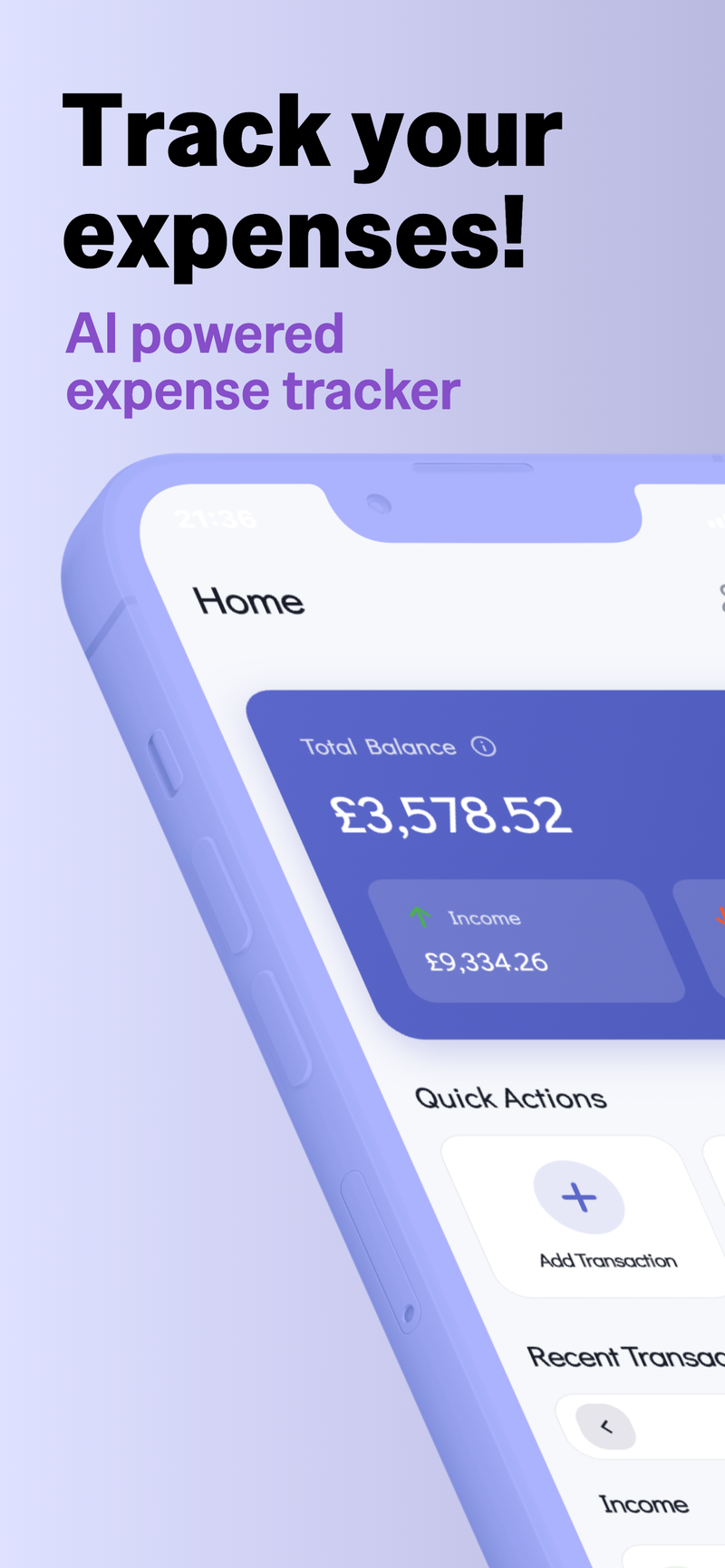
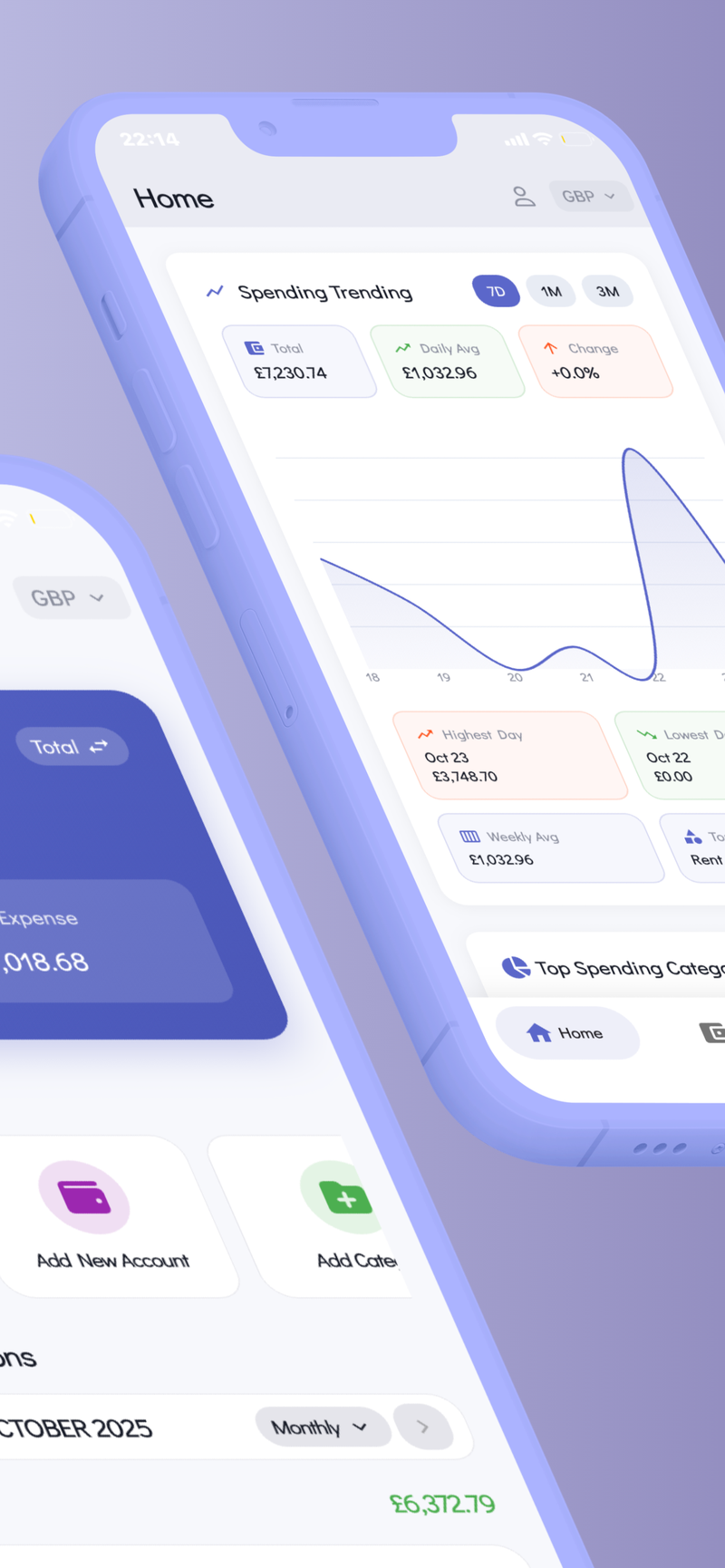
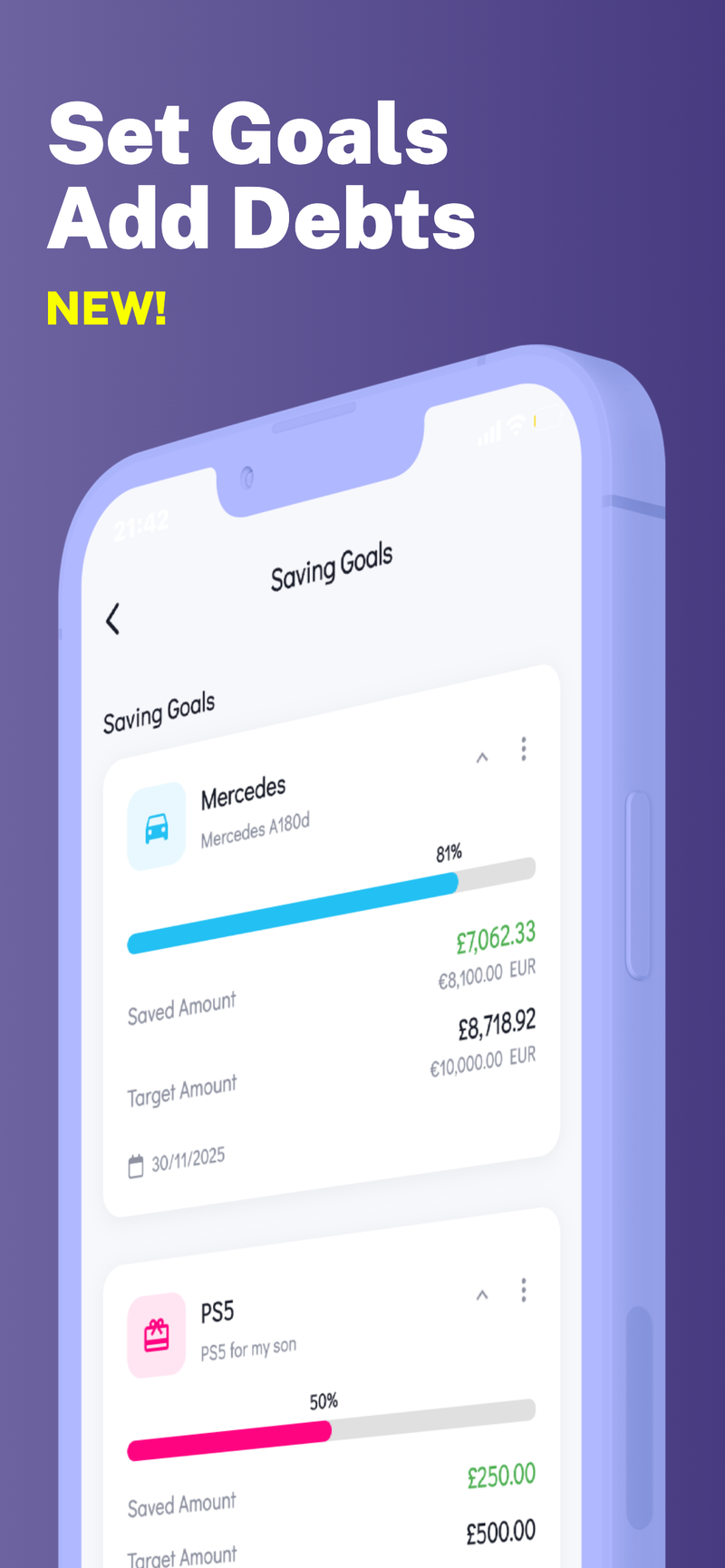
If you’re looking for a streamlined, privacy-minded way to keep this plan on track, consider Fokus Budget. It offers a private, on-device budget manager with features like Multi-Profile Support, designed to help families manage multiple budgets without data leaving your device. This kind of tool can support your 30-day reset and keep you accountable in the weeks that follow.