
·Health
Rewire Your Day to Cut Nicotine Urges: A Practical Guide
Struggling with nicotine cravings? Learn how reframing daily routines, identifying triggers, and building quick, practical coping strategies can cut urges for good. A real-world, actionable guide to rewire your day.
smoking cessationvaping cessationhabitscravingswell-being
Rewire Your Day to Cut Nicotine Urges: A Practical Guide If you wake up craving a cigarette with coffee or reach for a vape after lunch, you’re not alone. Cravings aren’t just about willpower; they’re often wired into the day itself. The good news: you can rewire your routine to reduce urges, one small, deliberate step at a time. Cravings tend to cluster around certain moments and environments—first thing in the morning, right after meals, during stress, or when you’re bored. About 70% of adults who want to quit smoking report trying to stop at some point, but relapse is common in the first weeks. Without support, long-term success rates are modest; with a structured approach, you improve your odds significantly. Below is a practical, non-judgmental approach to reframe your day so nicotine urges lose their grip. It’s about creating rhythm, replacing automatic cues with healthier actions, and measuring progress so you stay motivated. ## Why your day matters for nicotine urges Your brain wires cravings to routines. When a familiar cue appears (morning caffeine, a commute, social settings), the brain anticipates nicotine and releases a surge of reinforcement. By changing the timing, location, or activity around those cues, you disrupt the urge loop. - The strongest cravings often emerge within 5–10 minutes of a cue and fade if you intervene with a competing action. - Sleep quality, meals, and hydration all influence withdrawal intensity. Poor sleep can amplify irritability, making cravings harder to ignore. - Even short, planned interruptions (a 2-minute breathing exercise, a quick walk) can reset neural pathways tied to the urge. ## Build a structured day to reduce cravings A well-structured day reduces decision fatigue and gives your brain fewer chances to default to nicotine. Here’s how to craft it. ### 1) Start with a morning reset - Delay the first nicotine cue by at least 60 minutes after waking. - Hydrate: a glass of water with a squeeze of lemon). - Move briefly: 5–10 minutes of light activity (stretching, a short walk). - Create a ritual that replaces the old cue (e.g., brush teeth, sip herbal tea, or snack on a crunchy veggie). ### 2) Map your triggers Keep a simple trigger diary for a week: 1. Time of day 2. Location 3. Mood and stress level 4. Activity just before the urge 5. What you did to cope Seeing patterns helps you anticipate cravings instead of reacting to them. ### 3) Establish purposeful routines - Plan 15–20 minute blocks of activity after meals or during typically craving-prone windows. - Alternate between movement, hydration, and mental reset. Examples: - 10-minute brisk walk after lunch - 5 minutes of box breathing during a mid-afternoon lull - 2 minutes of journaling or a quick stretch break whenever you’d normally smoke ### 4) Replace, don’t just resist Have ready-made alternatives: - Sugar-free gum, mint leaves, or a crunchy veggie snack - Ice-cold water or sparkling water with a splash of citrus - A small, satisfying non-nicotine task (folding laundry, organizing a drawer, quick tidy up) ### 5) Move the urge away with a quick boost When a craving hits, try a 60-second toolkit: - Name the urge: “I’m craving nicotine because I’m stressed.” - Do a 60-second grounding exercise: 4-count breathing (inhale 4, hold 4, exhale 6), or a 4-4-4 breathing pattern. - Physically shift the moment: drink water, take a brisk 5-minute walk, or perform 10 bodyweight squats. - Reset the environment: step away from the trigger, out of sight if possible. ### 6) Prioritize sleep, food, and hydration - Regular meals stabilize mood and reduce irritability that can fuel cravings. - Stay hydrated; thirst can masquerade as a craving. - Limit caffeine if it spikes anxiety or jitteriness, which can amplify urges for some people. ### 7) Manage stress and emotions - Practice brief mindfulness or journaling during tense moments. - Build a small “calm toolkit”: a quick breathing exercise, a short meditation, or a favorite uplifting playlist. ### 8) Reframe social and environmental cues - Identify social settings that trigger urges and plan a different activity for those moments. - Keep nicotine products out of sight; remove old packs from easy reach. - Communicate your plan with close friends or colleagues so they can support rather than tempt you. ### 9) Track progress and celebrate small wins - Log days you went nicotine-free for the entire day, even if just partial reduction. - Note non-nicotine wins (saved money, improved sleep, better taste and smell). - Treat yourself with cheap, meaningful rewards after streaks (a book, a movie night, a long walk in nature). ## Quick-start 2-week plan (practical steps) 1. Week 1: Map triggers and create a morning reset routine. Substitute every identified cue with an alternative activity. 2. Week 2: Introduce 2–3 short routines around meals and stress moments. Start a simple daily log of cravings and coping actions. 3. End of week 2: Review patterns, adjust routines, and reinforce support networks. Cravings are common in early weeks, but their intensity tends to lessen with consistent structure and coping strategies. Cravings last only a few minutes when you intervene with a plan, and most people experience a noticeable drop in frequency as days turn into weeks. ## A practical toolkit to carry forward - Prepare: have a small “craving kit” ready (water, gum, fruit, a list of quick activities). - Plan: schedule daily blocks that replace habitual nicotine moments. - Reflect: weekly mini-reviews help you refine triggers and responses. - Seek support: sharing progress with a friend, family member, or support group keeps accountability high. ## Conclusion Rewiring your day to cut nicotine urges is about shaping your environment, routines, and responses so nicotine becomes less tempting. By creating intentional moments, substituting activities, and tracking progress, you build resilience day by day. If you’re ready to tailor a structured plan that guides you th


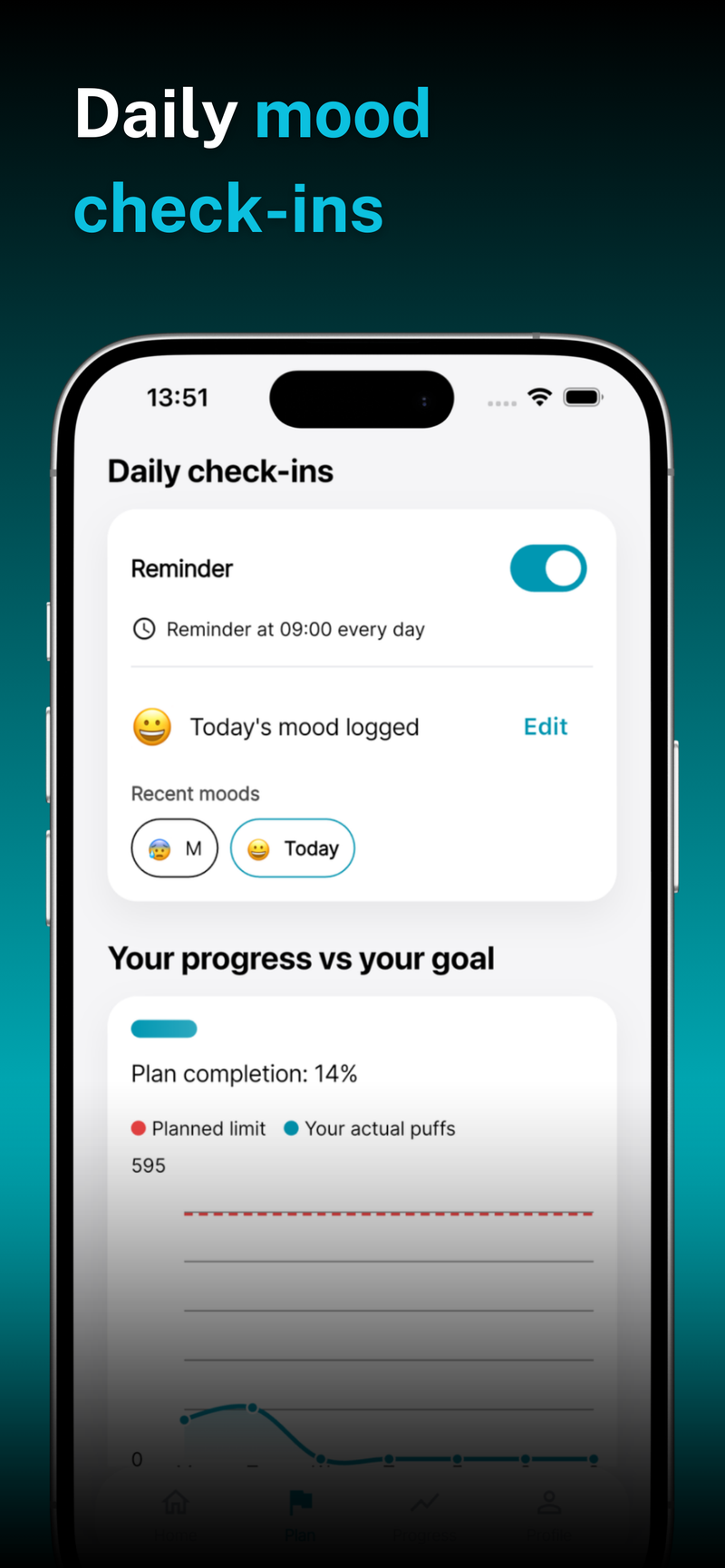

Daily MotivationProgress TrackingHealth MilestonesMoney Saved
💪 Onboarding & Personal Setup