Fokus Budget

Fokus Budget

AI-powered expense tracking

·Budgeting

Simple Tiny Habits to Build an Emergency Budget Buffer

Small daily habits can grow a meaningful emergency fund without a dramatic budget shift. Learn practical steps, realistic targets, and a simple plan to shield your family from unexpected expenses.

personal financebudgetingsavingsemergency fundhabits

Introduction


What would it take to feel secure when bills surprise you or a paycheck falls short for a month? The answer isn’t a windfall; it’s a steady, habit-driven plan to build an emergency budget buffer. And you don’t need a big budget to start.

Even before we begin, a sobering reminder from recent data: about 4 in 10 adults in the United States would struggle to cover a $400 emergency expense with cash or savings. That gap isn’t about lack of income alone—it’s about lack of a cushion. A small, reliable buffer can reduce debt, lower stress, and buy time to adjust when life happens.

What is an emergency budget buffer?


An emergency budget buffer is reserves set aside to cover essential living costs during unexpected events—job loss, medical bills, car repairs, or urgent home fixes. The buffer should focus on essentials first: housing, utilities, groceries, healthcare, and minimum debt payments. Non-essentials can wait when building the cushion, then be reintroduced gradually.

How much should you aim for?


Financial guidance commonly suggests 3–6 months of essential expenses. A quick way to plan:
  • Determine your essential monthly expenses (E).

  • Choose a starting target (S). Many people begin with 1–2 months of essentials and expand over time.

  • Final target (T) = E × S months.
  • Example: If essential monthly costs are $2,400, a 3-month target is $7,200. If that feels far off, start with a 1-month goal ($2,400) and build from there as you set up steady habits.

    Tiny daily habits that add up


    The core idea is simple: small, repeatable actions compound over time. The goal is reliability, not perfection. Below are practical habits you can start today.

    1) Round up purchases and tuck the difference


  • Each time you spend, round up to the next dollar and move the cents into your buffer.

  • Realistic range: $0.25–$0.75 per day, depending on your spending mix.

  • Why it works: you’re not asking for a big sacrifice; you’re keeping your spending the same while saving the “leftovers” automatically.
  • 2) One no-spend day per week


  • Choose a day where you avoid discretionary purchases (no extra coffee, snacks, or impulse buys).

  • Typical savings: $10–$25 per week, depending on your routine.

  • Tip: plan a free activity for that day so it feels doable, not punitive.
  • 3) Daily micro-transfer to a separate buffer


  • Transfer a small amount you can live with each day (e.g., $0.50–$2).

  • Over a month, this becomes $15–$60.

  • Make it automatic through your bank or paycheck split; the automatic part is the key to consistency.
  • 4) Trim one recurring expense each week


  • Review a subscription or service you rarely use and downgrade or cancel.

  • Even $5–$15 saved monthly compounds over time.

  • Schedule a 10-minute weekly check-in to identify one candidate.
  • 5) A daily spending check-in


  • Spend 2 minutes each morning reviewing yesterday’s spending vs. plan.

  • If you overspent, note the category and adjust the next day; consistency beats occasional bursts of restraint.
  • A practical plan you can start today


    You don’t have to do all five habits at once. Here’s a simple 4-step path:
    1) Calculate essentials (E) and set a starter target (S = 1 month).
    2) Pick one daily habit to begin (start with round-ups or a daily micro-transfer).
    3) Create a dedicated buffer space (a separate savings account or a clearly labeled envelope).
    4) Track progress weekly and adjust goals monthly.

    A lightweight example


  • Essential monthly costs: $2,400

  • Starting target: $2,400 (1 month)

  • Habit mix: round-ups ($0.50/day) + no-spend day once per week (average $12 savings) + daily transfer ($1/day)

  • Monthly rough total: about $1, around $43–$50 from the daily actions plus the weekly no-spend savings, totaling roughly $60–$70 in the first month.

  • After a few months, revisit the target: if you can, nudge toward 2–3 months of essentials and re-allocate the same habits to keep momentum.
  • Tracking progress and staying flexible


  • Keep a simple ledger: date, activity (round-up, transfer, no-spend), amount.

  • Review once a week for two reasons: celebrate small wins and recalibrate expectations when income or expenses change.

  • If you hit a salary bump or receive a windfall, consider increasing the buffer target gradually instead of “all at once.”

  • Be mindful of debt priorities. If you carry high-interest debt, you may want to split surplus between buffer and high-interest payments.
  • Practical tips and pitfalls to avoid


  • Start small, then scale. A $2,400 target can seem daunting; begin with $1,000 and expand as you grow more comfortable.

  • Automate when possible, but review your automation regularly. Life changes, and so should your plan.

  • Differentiate buffer money from short-term savings for desires. Mixing them can erode discipline.

  • Don’t chase perfection. The goal is consistency and resilience, not flawless execution.
  • Conclusion


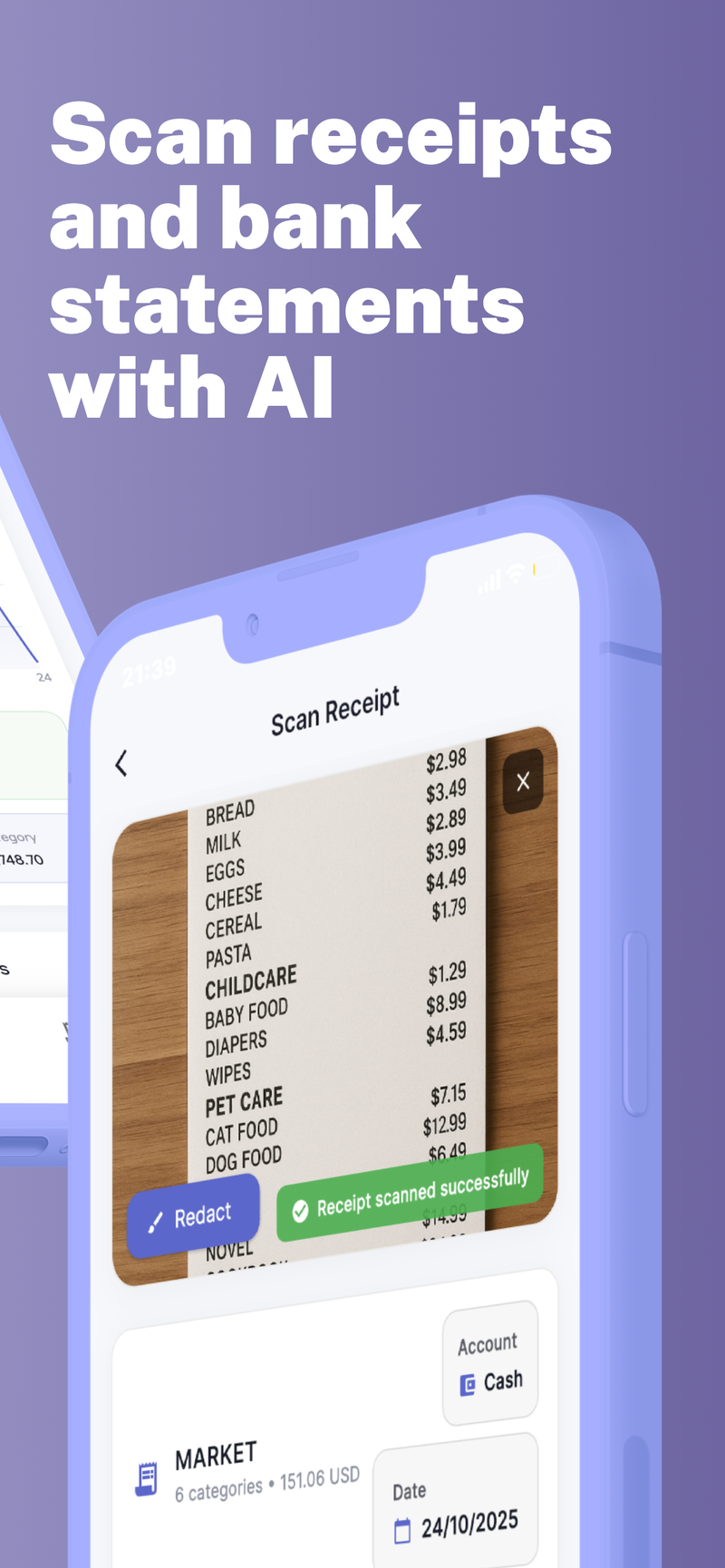
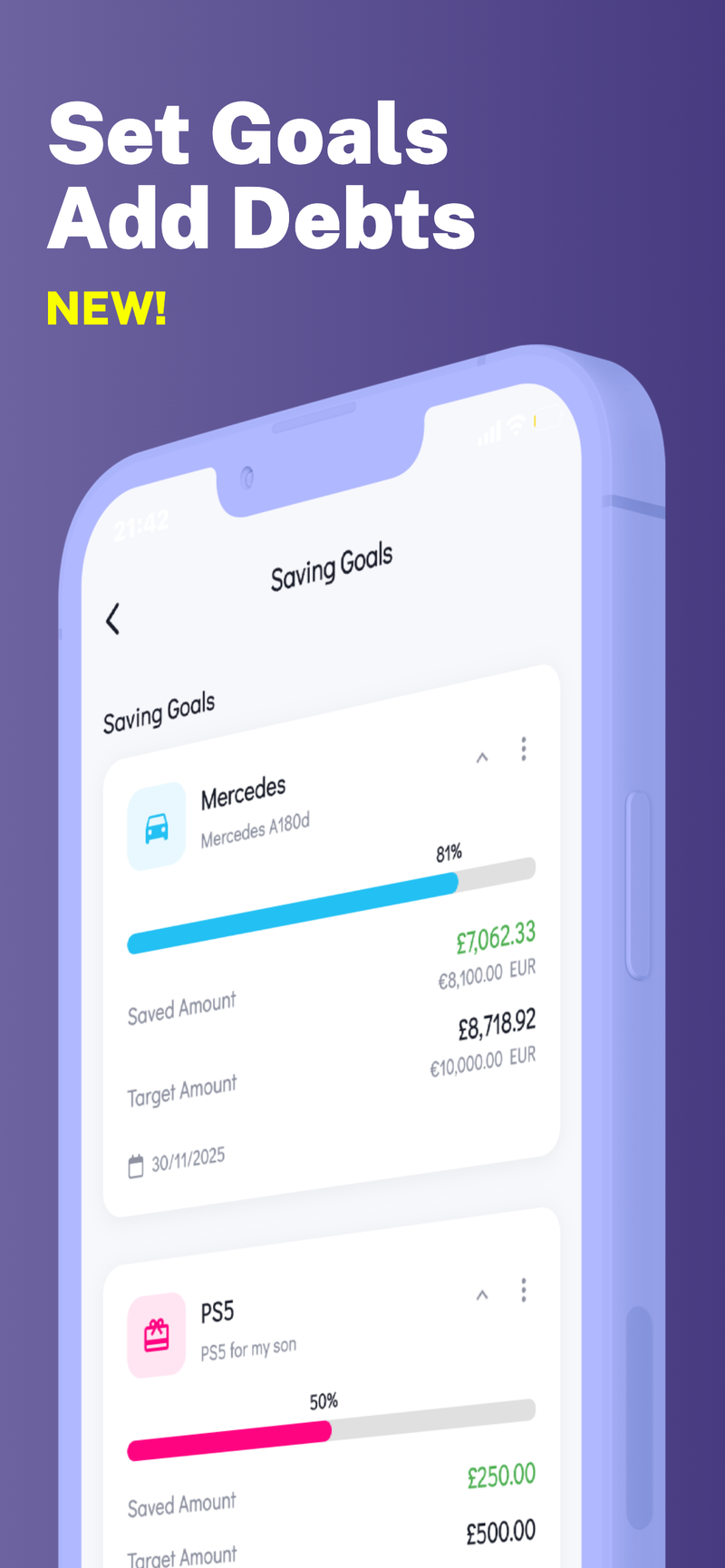
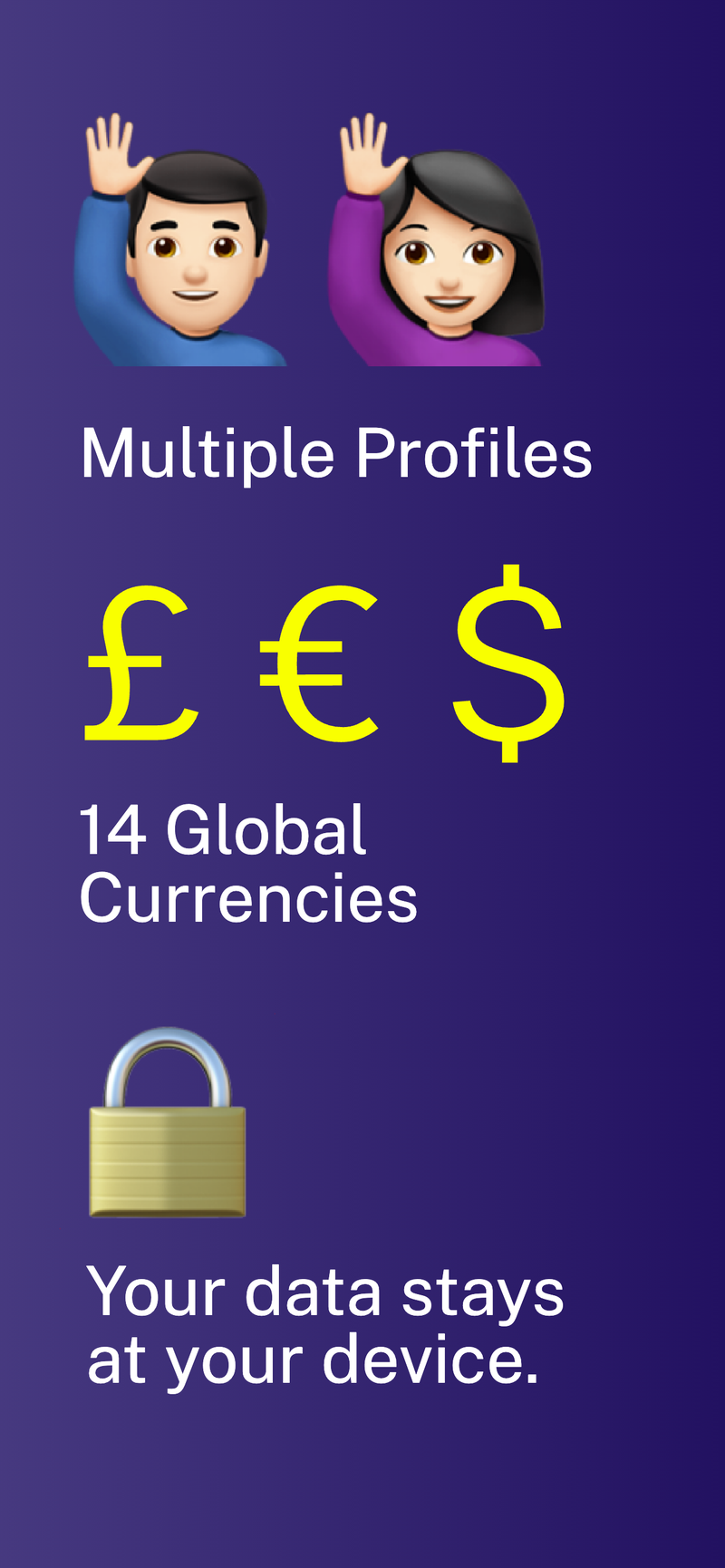
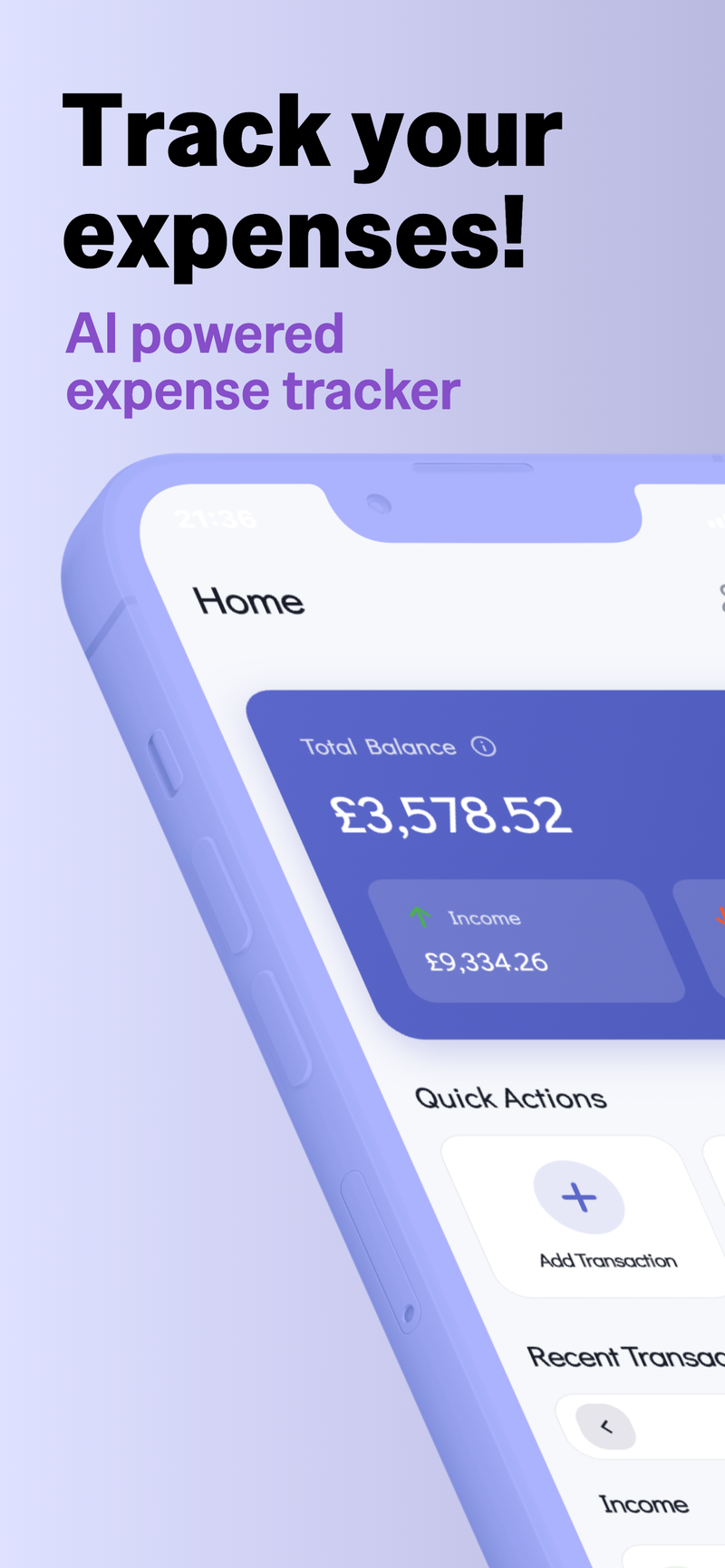
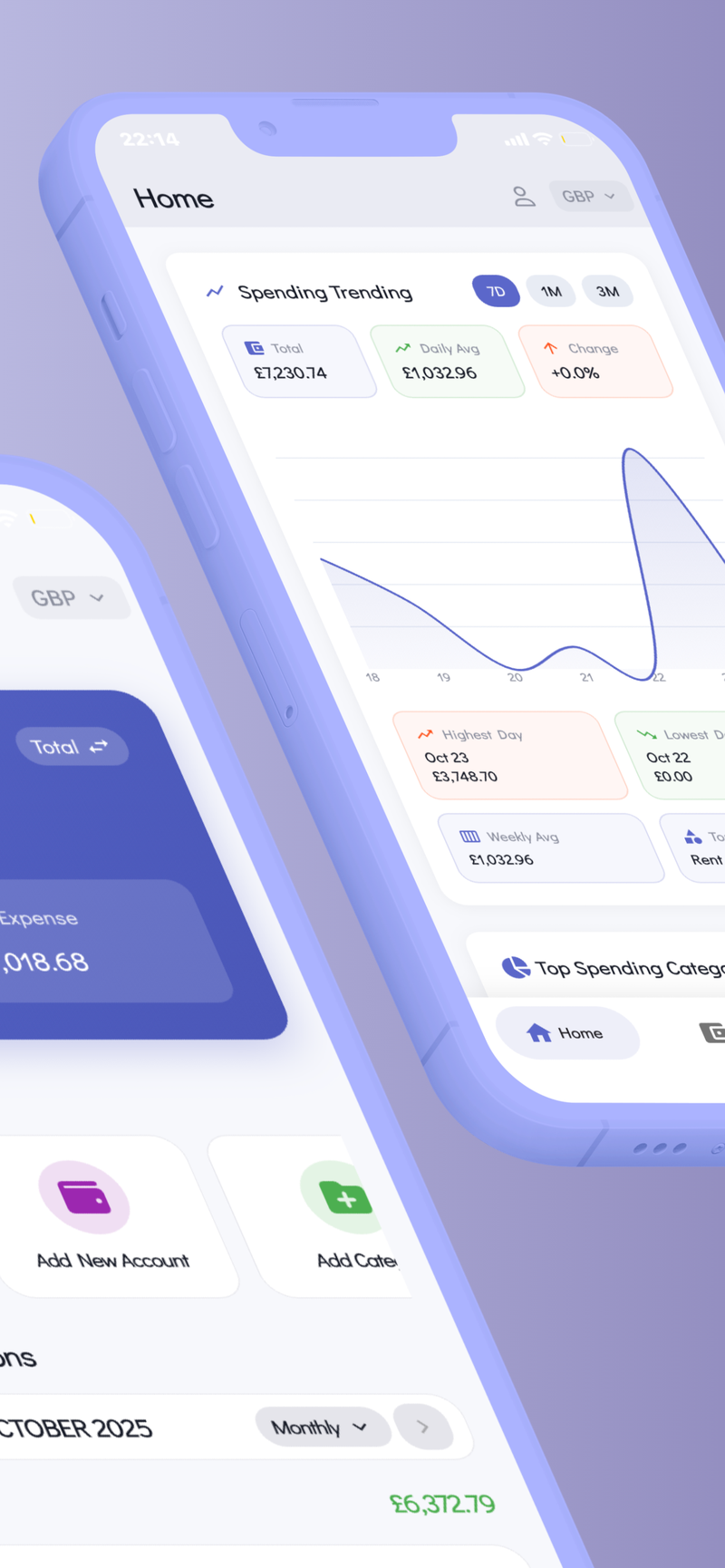
    Building an emergency budget buffer through tiny daily habits is a path, not a sprint. Start with a realistic target, pick a couple of habits you can sustain, and track your progress. Over time, those small actions add up to real security when life throws a curveball. And when you’re ready, a private, on-device budgeting tool can help you automate and monitor these habits without sacrificing your privacy or control. Fokus Budget can assist by keeping your data private on your device while supporting multiple profiles to manage different parts of life with clarity.
    Fokus Budget icon

    Fokus Budget

    AI-powered expense tracking

    Free • In-App Purchases
    GET
    Dashboard
    Analytics
    Transactions
    Categories
    Reports
    AI Receipt ScanningMulti-CurrencyBank ImportPrivacy-First

    privacy-first on-device data storage

    Related Articles

    Fokus Budget

    AI-powered expense tracking