Introduction
Ever feel like your grocery bill keeps growing even when you’re buying what you need? You’re not alone. Pantry items you never finish, impulse buys, and last‑minute takeout can quietly drain your budget. The antidote is simpler than you might think: plan your meals for the week. A thoughtful plan can curb waste, reduce decision fatigue, and trim your spending without sacrificing variety or nutrition.
Food waste costs households in the United States an estimated $1,500 per year. By planning ahead, you reduce spontaneous purchases and improve item utilization. The goal isn’t perfection; it’s consistency. A dependable, repeatable routine can turn grocery shopping from a monthly surprise into a predictable, budget-friendly habit.
Main Content
1) Set a weekly planning routine
Pick a fixed planning day (for example, Sunday evening or Monday morning).Block 20–30 minutes for planning, not browsing. Decide on 4–5 dinners and 2–3 quick meals or lunches.Write the plan first, then build a grocery list from it. This keeps you focused and reduces impulse buys.Track your actual spending vs your plan to improve accuracy over time.2) Build a simple meal framework
Create a repeatable template: protein + two veg + starch for dinners; quick breakfasts; simple lunches.Example framework: 3 dinners rotate weekly (chicken, fish, vegetarian), 2 easy standbys (pasta or rice bowls), plus one flexible night for leftovers or dining out.When choosing meals, aim for ingredients that reuse across multiple dishes to minimize waste.3) Do a pantry and fridge audit
Start with what you already have. List staples, proteins, veggies, and dairy that are close to expiring.Build meals around those items first to prevent waste. If you have a big bag of carrots and a half‑empty bottle of tomato sauce, plan dishes that use both.Move items that won’t get used this week to a future plan or freeze them.4) Create a master grocery list
Organize by store sections: produce, dairy, proteins, grains, freezer, canned goods, snacks.Include flexible staples you tend to overbuy or run out of often (garlic, onions, olive oil, salt, spices).Use unit prices when comparing items to get the best value (e.g., price per ounce for proteins, price per pound for produce).5) Shop smarter, not harder
Compare unit prices and buy seasonal produce when possible; it’s cheaper and fresher.Consider bulk for non-perishables and freezer staples, but only if you’ll use them.If a dish requires prep ahead, batch cook on shopping days to save time and money later.Reserve a small amount of money for fresh, high-value ingredients that elevate the plan but won’t derail the budget.6) Make leftovers your ally
Plan at least two meals that repurpose leftovers (for example, roast chicken into tacos or a soup).Label containers with dates to maximize safety and minimize waste.Create quick “leftovers nights” to avoid letting surplus pile up.7) Batch cook and freeze strategically
Double a few recipes and freeze portions for nights when time is tight.Label and date frozen meals; rotate stock so nothing sits unused for months.Freeze fresh herbs in ice cube trays with a bit of oil or stock to preserve flavor for future meals.8) Plan for the unexpected
Have a quick fallback: a pantry meal (pasta with sauce, beans and rice) or a frozen option.If you deviate from the plan, readjust the next week rather than abandoning planning altogether.9) Track progress and refine
Keep a simple ledger: planned budget vs actual spend. If you’re consistently over by a fixed amount, adjust the plan or swap higher‑cost ingredients for cheaper ones.Review what worked, what didn’t, and why. Small tweaks add up fast over a month.10) A practical week plan (example)
Monday: Lemon chicken with roasted vegetables and quinoaTuesday: Chickpea curry with basmati riceWednesday: Beef stir‑fry with broccoli and brown riceThursday: Tortellini with tomato cream sauce and a side saladFriday: DIY pizzas using pantry toppingsSaturday/Sunday: Leftovers or a simple build‑your‑own bowls nightQuick template you can reuse
Meals planned: ______Groceries needed: ______Pantry checks: ______Leftovers plan: ______The math that helps you stay on track
Target meals per week: 4–5 with 2–3 quick options.Produce buy: 6–8 servings of vegetables per week, planned to be used in meals and snacks.Staples refresh: Keep a 2–3 week buffer for non‑perishables you use often.Conclusion
Planning weekly meals ahead turns a chaotic grocery run into a predictable, efficient routine. You’ll waste less, spend less, and spend less mental energy each day deciding what to cook. Start with a single planning session this week, then build momentum with a simple framework, a master grocery list, and a small leftovers strategy. If you stay consistent, you’ll likely notice lower expenses and less food waste over the next month.
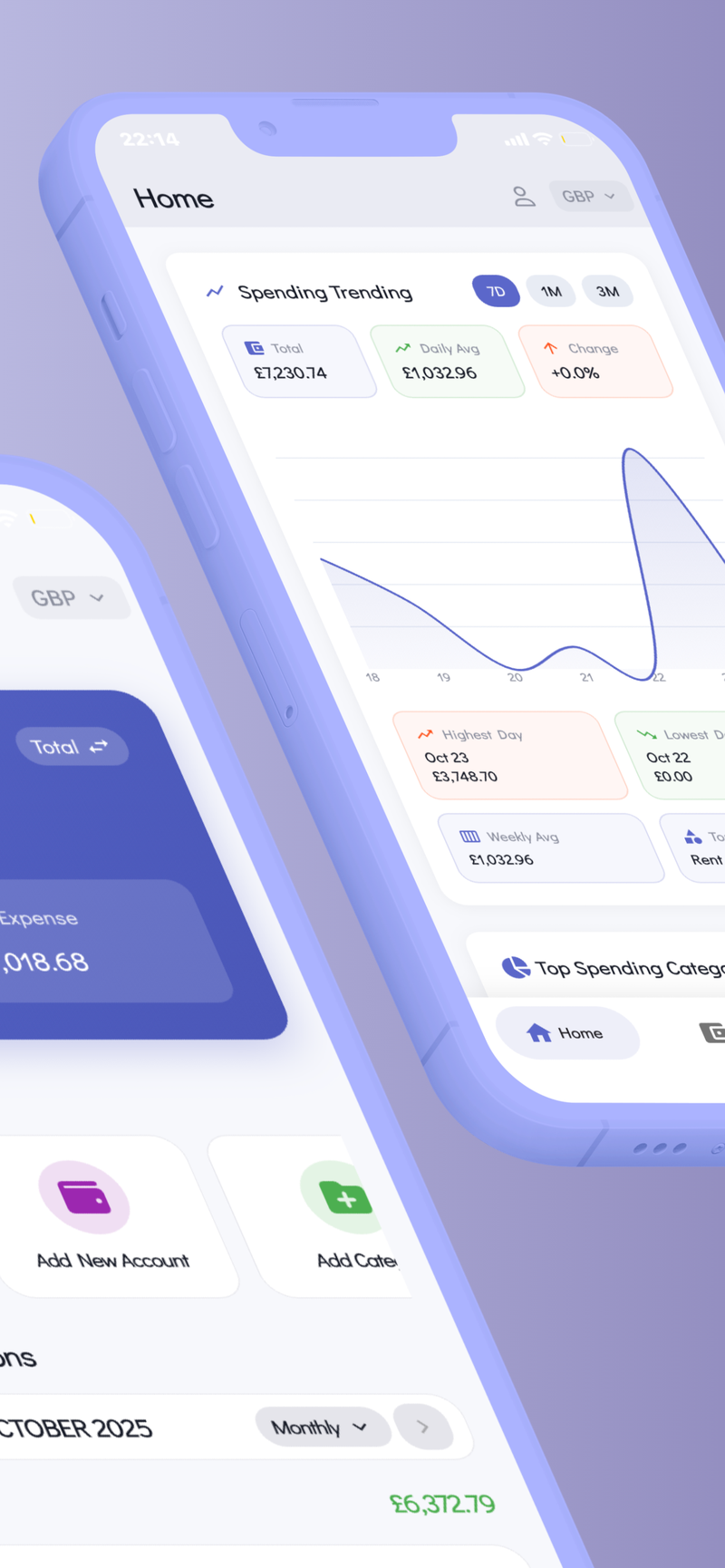
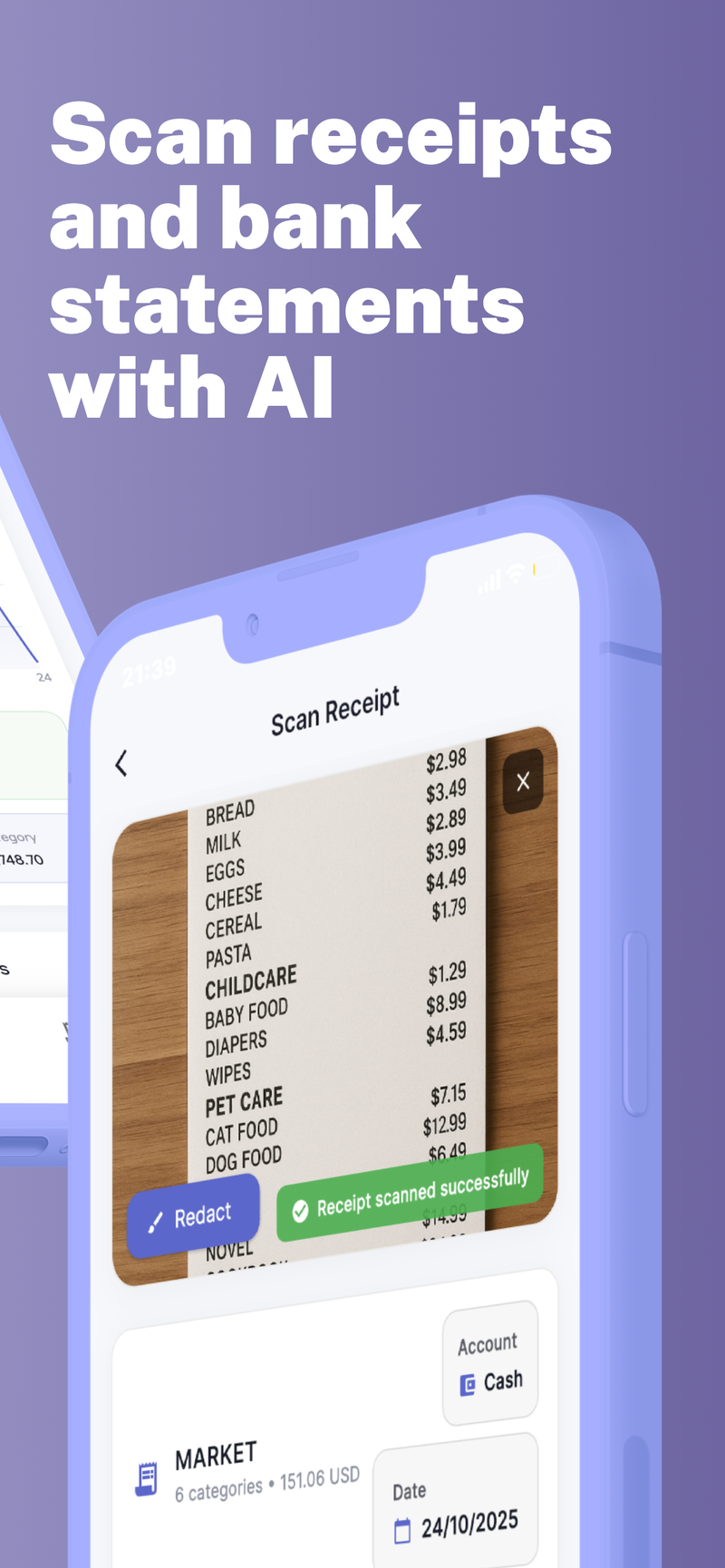
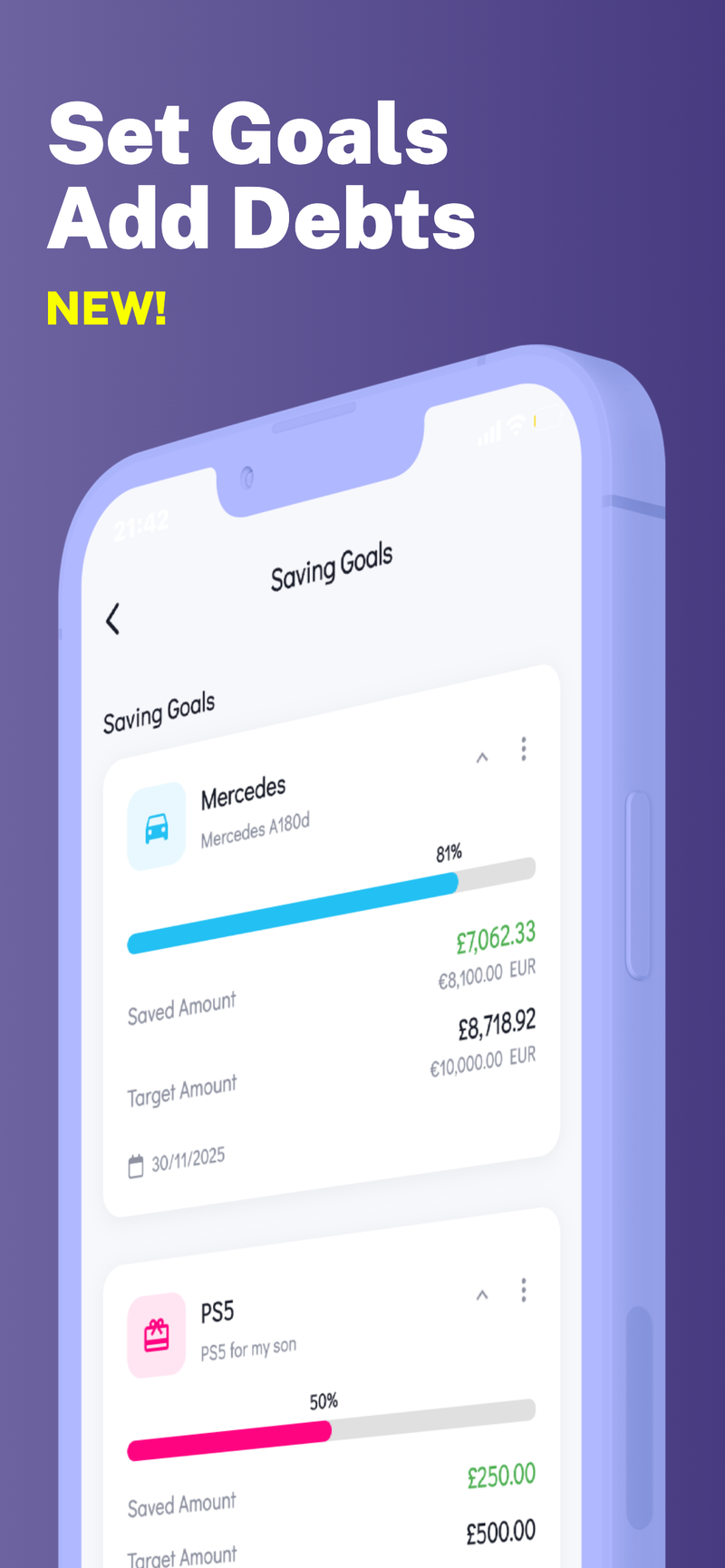
If you want a practical, privacy‑focused way to track your grocery spending and keep your budget on target, Fokus Budget can help. With on‑device data storage and multi‑profile budgeting, you can monitor groceries, separate family budgets, and stay aligned with your weekly meal plan without moving data to the cloud. Fokus Budget can support you as you turn meal planning into a sustainable budgeting habit.