
·Health
Sleep Hygiene to Cut Nicotine Cravings: Practical Guide
A practical guide showing how small, consistent sleep improvements can blunt nicotine cravings. Learn actionable steps to align sleep with your quit plan and build lasting momentum.
smoking cessationsleep healthcraving managementbehavioral healthwellness
Introduction
Quitting smoking or vaping is more than breaking a habit—it's restoring a sense of balance. If you’ve noticed cravings spike when you’re tired or stressed, you’re not imagining it. Sleep quality directly influences impulse control, mood, and how strongly cravings feel in the moment. The good news: small, real changes to your nightly routine can dampen those cravings and build momentum toward a smoke- or vape-free life.
The sleep–craving connection
How sleep affects cravings
Nicotine is a stimulant that can delay sleep onset and reduce total sleep time. Poor sleep makes the brain’s self-control networks work less efficiently, which can heighten the perceived strength of cravings and shorten your fuse for urges. Conversely, solid rest supports better mood regulation, decision-making, and stress resilience—factors that matter when you’re facing withdrawal and temptation.
What sleep disruption looks like during quit attempts
During the first weeks of trying to quit, many people experience insomnia, vivid dreams, or restless nights. Those sleep disturbances are common and can temporarily increase cravings, especially in the evening and overnight. Building a stable sleep pattern gives your body a predictable rhythm, reducing the emotional rollercoaster that often accompanies quitting.
Practical sleep hygiene to reduce cravings
These are actionable steps you can mix and match, starting with one or two that feel doable today.
1) Set a consistent sleep schedule
2) Create a calming wind-down routine
3) Optimize your sleep environment
4) Mind your caffeine and nicotine timing
5) Exercise thoughtfully
6) Embrace morning light and daytime activity
7) Manage stress and rumination
8) Approach nighttime cravings with a sleep-first mindset
9) Build a small nightly checklist
10) If you’re using nicotine withdrawal strategies
Turning sleep into a sustainable quit path
A stable sleep pattern doesn’t erase cravings instantly, but it does lower their intensity and frequency. With better sleep, you’ll notice you have more willpower for daytime decisions, more patience for challenges, and more energy for the days you’re building toward a nicotine-free life.
Conclusion with gentle, helpful direction
Small, daily improvements in sleep can be a quiet but powerful ally in quitting. Consistency matters: even modest shifts in bedtime, wind-down time, and daytime activity can reduce nighttime cravings and make daytime urges easier to manage. If you’re ready for a guided approach, consider a structured plan that helps you set a personal quit or reduction goal, track progress, and tailor steps to your daily life. A well-designed onboarding experience and personalized setup can turn these sleep strategies into a sustainable routine. In particular, a thoughtful onboarding process helps you choose your product type, set a realistic goal, define a target timeline, and capture your current habits and spending—setting you up for success as you work toward a healthier, calmer night and a smoke- or vape-free future.
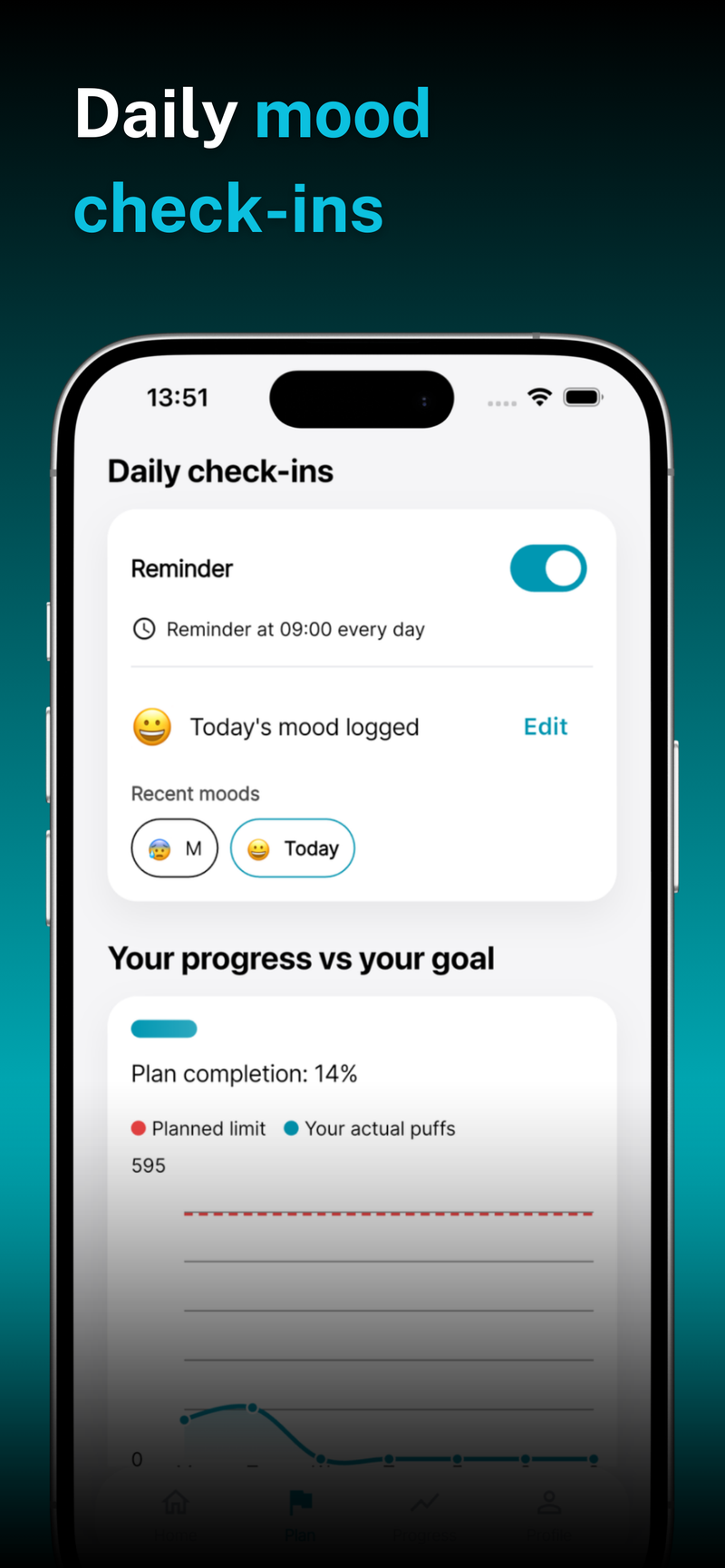
If you’re curious, Quit Smoking & Vaping offers a guided onboarding flow and personalized setup to support your journey with features focused on planning, monitoring, and gradual reduction. The key is to start now with one small sleep habit you can keep for a week, then build from there.



Daily MotivationProgress TrackingHealth MilestonesMoney Saved
💪 Onboarding & Personal Setup