Introduction
Have you ever totaled how much smoking costs you each week, month, or year? The dollars are one thing, but the time, the health risks, and the pattern of cravings are the bigger forces. The good news: you can tackle both by building a smart, budget-minded quit plan. In the U.S., smoking causes about 480,000 deaths per year and exacts a heavy toll on wallets as well. If you're ready to change, you can start right now with a simple, practical framework that aligns your health goals with your finances.
Main Content
Create a plan that balances health and budget
Start with a baseline: for just one week, track every cigarette or puff. Note triggers: stress, coffee, after meals, social settings.Estimate your weekly cost: assume an average price per pack and how many packs you use weekly. If a pack costs around $6 and you smoke 1 pack per day, your weekly spend is about $42. If you vape, add juice costs and coil replacements—these can quickly add to the bill.Decide your main goal and timeline: do you want to quit completely or reduce gradually? Pick a realistic window (e.g., 4-12 weeks) and map weekly milestones.Build a replacement plan: keep healthier options at hand—gum, water, fresh fruit, or short walks. Plan for high-risk moments (morning routines, breaks, or social events) with a pre-commitment to a substitute.Practical cravings and withdrawal management
Delay technique: when a craving hits, wait 5-10 minutes before acting. Cravings often pass or diminish.Distraction and movement: a quick 5-minute walk, a few stretches, or a glass of water can interrupt the urge.Breathing and mindfulness: try box breathing (4 seconds in, hold 4, out 4, hold 4) for a minute or two.Nicotine replacement therapy (NRT) options: gum, lozenges, patches can ease withdrawal; consult a clinician if you have health concerns.Urge surfing: view cravings as waves that rise and fall; you gain confidence by riding them without giving in.Budgeting as a motivator, not a punishment
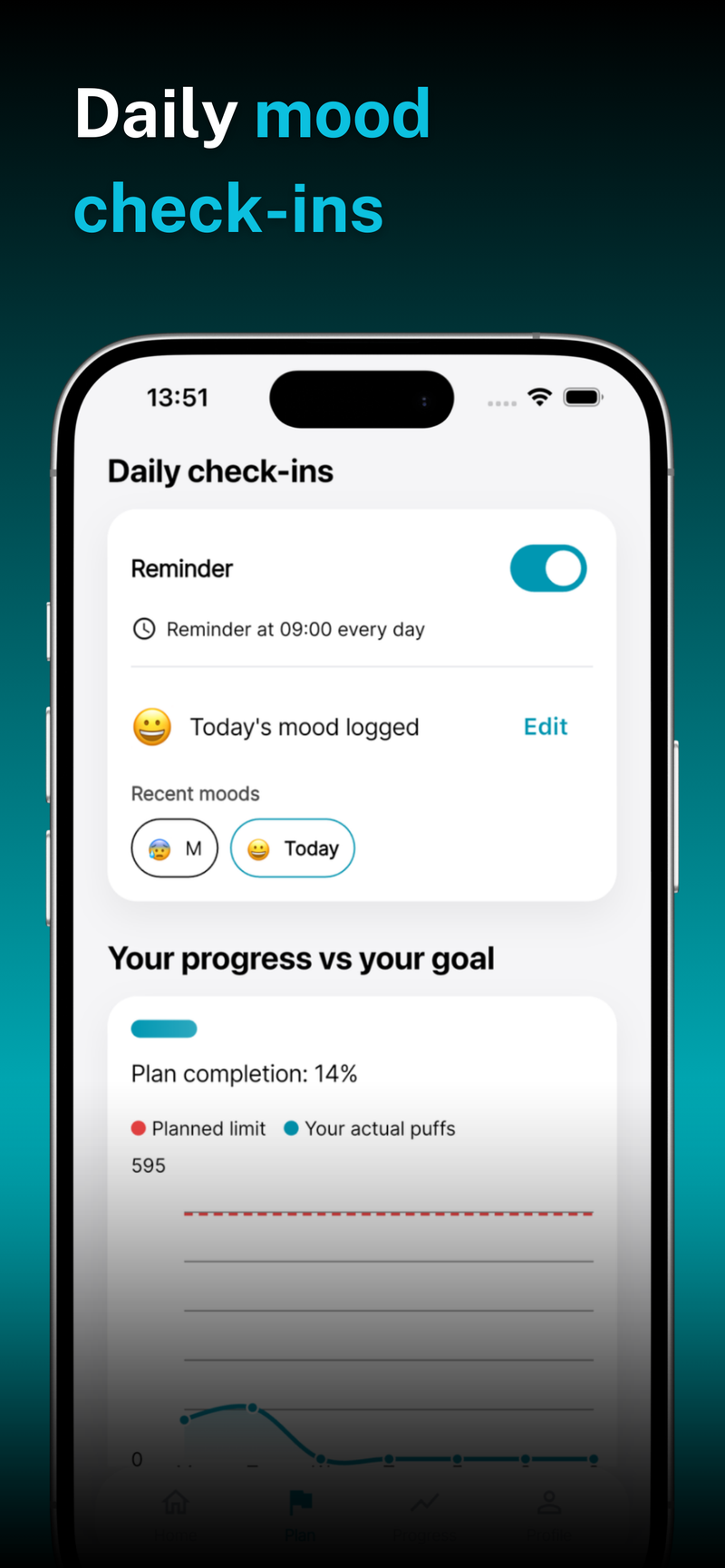
Create a dedicated quit fund: open a simple jar or separate account and deposit a fixed amount weekly equal to what you’d typically spend on cigarettes or vape juice.Track savings visually: a simple chart or a checklist shows your progress toward a milestone. When you hit a milestone, reward yourself with a healthy treat or activity.Reinvest the savings: plan a meaningful reward at key intervals (one month smoke-free = a massage, two months = a weekend activity). The positive association is a powerful driver.Reframe the habit: the money saved isn’t just for spending more; it reinforces the healthier, freer you.Environment, routine, and social support
Tidy your spaces: remove ashtrays, lighters, and vape accessories from frequent rooms and cars.Create triggers-free routines: replace old rituals (coffee breaks, after meals) with a new activity (short walk, quick stretch, phone call to a friend).Accountability: tell a trusted person your quit date and plan. Check-ins (weekly text or quick call) add accountability.Community support: consider a support group or online forum to share challenges and wins.Troubleshooting common derailments
Social triggers: at parties, plan to drink water or non-alcoholic beverages, stay near people who support your plan.Slip-ins: if you smoke a cigarette, don’t resign to “I ruined it.” Re-engage the plan the next moment, resume your baseline tasks, and log what led to the slip to prevent repetition.Sleep and mood: withdrawal can affect sleep; improve sleep hygiene and avoid caffeine late in the day.Quick-start checklist
Pick a quit or reduction goal and a target date.Track your baseline usage and spend for a full week.Set a daily/weekly budget target and a substitute routine.Prepare NRT options if appropriate and discuss with a clinician.Recruit one or two accountability partners.Conclusion
Quitting or reducing smoking and vaping is both a health decision and a financial decision. A practical plan that combines personal goals with budget awareness makes the path clearer and more sustainable. By tracking use, controlling spend, and building strong coping strategies, you can create momentum that lasts beyond the first weeks.
If you’re looking for a guided start, some programs offer onboarding and a personalized quit plan to help you stay on track. Quit Smoking & Vaping can help with this.