
·Budgeting
Smart Budgeting for Irregular Income: A Practical Guide
Irregular income challenges traditional budgeting, but a flexible, practical approach can bring stability. Learn how to map essentials, forecast cash flow, and build sinking funds so lean months don’t derail you. Practical steps and common-sense tips to turn variable pay into manageable progress.
personal financebudgetingmoney managementfreelancersfamily finance
Introduction
Do you feel like your monthly budget is built on quicksand? When paychecks arrive on a variable schedule, even the best intentions can crumble the moment expenses tilt up or down. If your income isn’t predictable, a traditional budget—where every dollar has a fixed role—can feel like a trap. Yet irregular income doesn’t have to mean financial chaos. With a few practical tweaks, you can make budgeting with irregular income reliable, even pleasant.
Understanding the reality of irregular income
What makes irregular income tricky
Data and expectations
A growing portion of workers rely on nontraditional pay schedules. A flexible budgeting approach isn’t a luxury—it’s a necessity. The aim isn’t perfection, but a system that keeps essentials covered while still allowing for savings and occasional splurges.
Build a flexible budget that works
Map your essential vs. non-essential costs
Create a cash-flow forecast
Use sinking funds for recurring annual costs
Apply a flexible budgeting framework
Practical steps you can take this month
1) List essential expenses and assign a realistic cushion for each category.
2) Set up a simple cash-flow calendar for the next 12 months, marking expected paydays.
3) Create at least one sinking fund (e.g., annual insurance, car maintenance) and automate a small monthly transfer.
4) Determine a lean-month target: what’s the minimum you need to cover essentials if income drops by 20-30%?
5) Decide a savings rule for good months (e.g., save 20-30% of any extra income).
6) Track both income and expenses weekly, not just monthly. A short review every 7-10 days helps catch mismatches early.
Practical tips for staying on track
Common mistakes to avoid
Conclusion
Budgeting with irregular income isn’t about flawless prediction—it’s about disciplined flexibility. By separating essentials from discretionary spending, forecasting cash flow, building sinking funds, and treating savings as a non-negotiable line item in every good month, you create stability even when money isn’t stable.
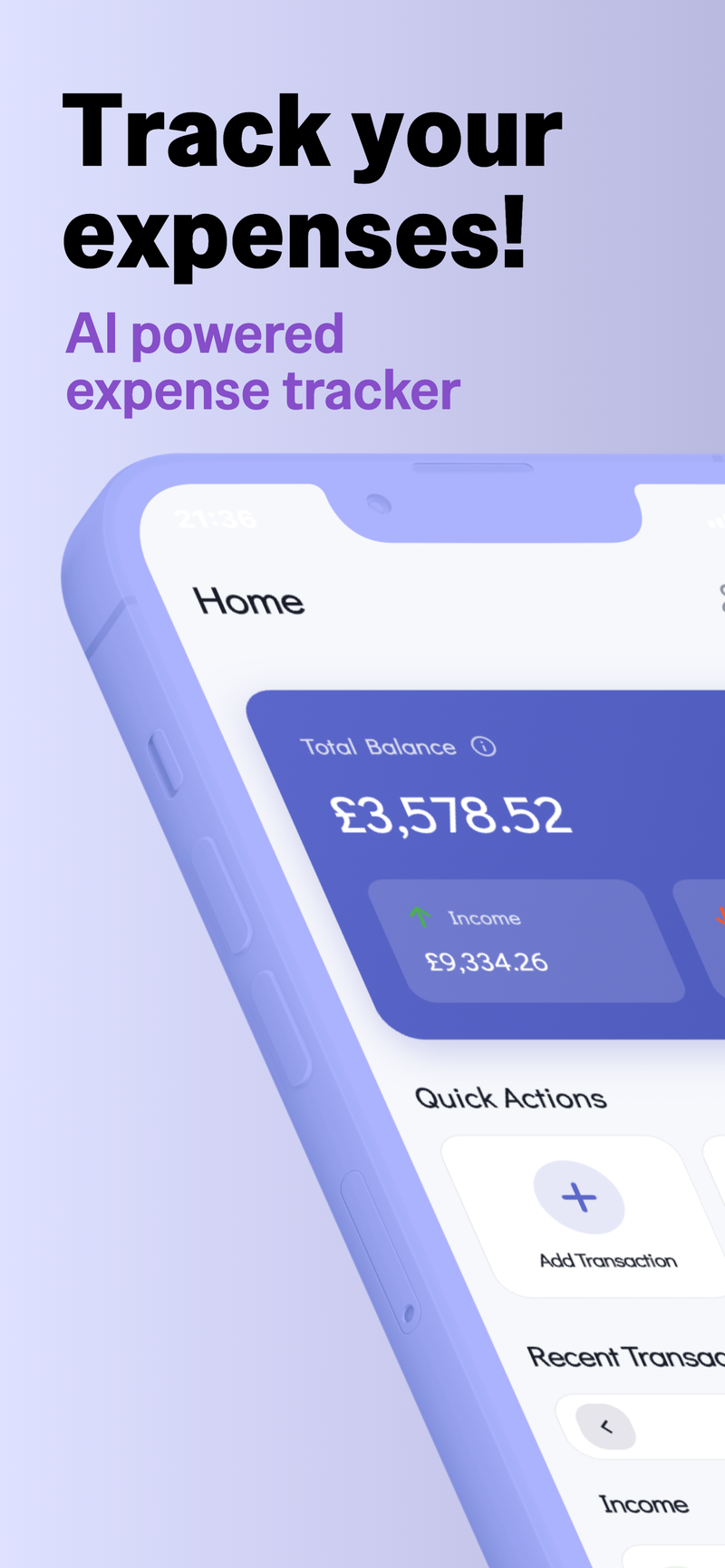
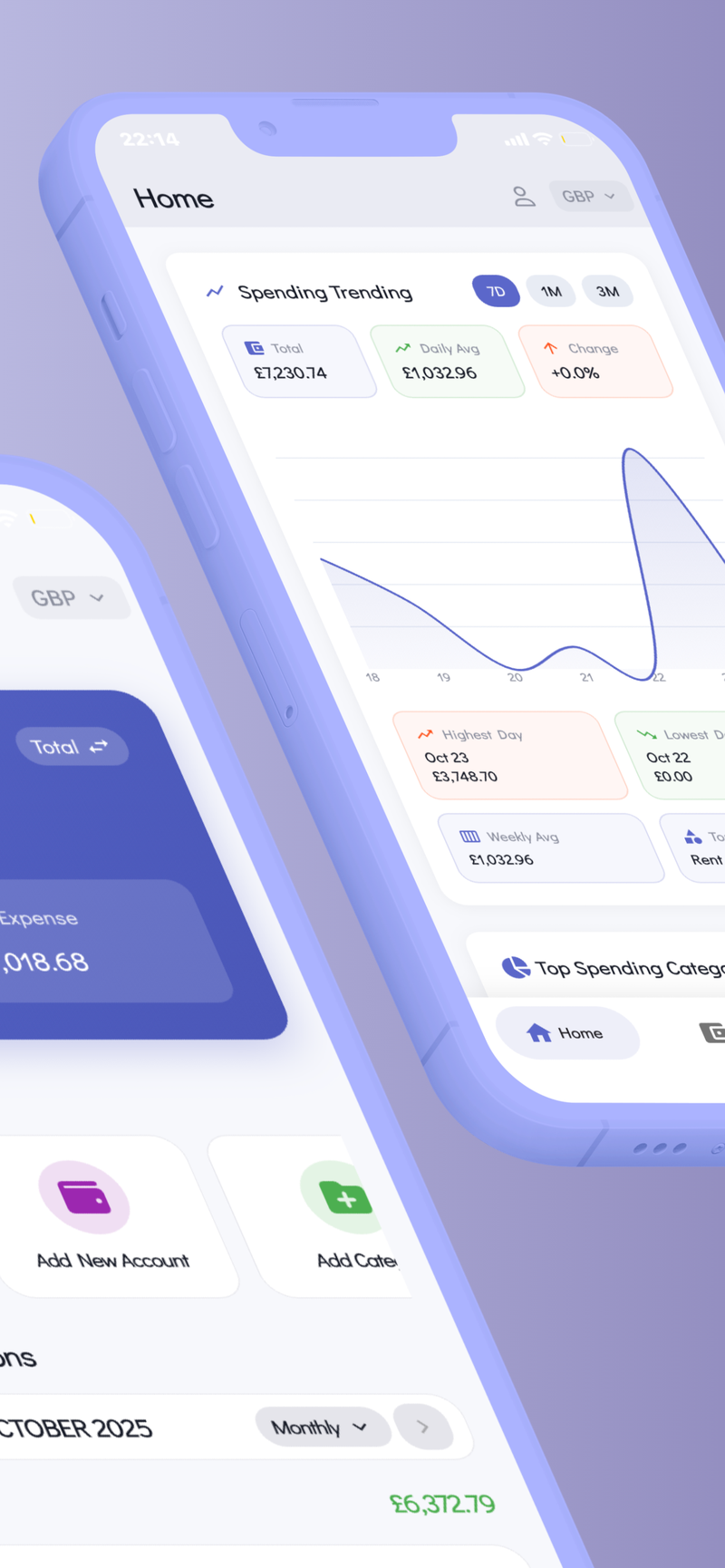
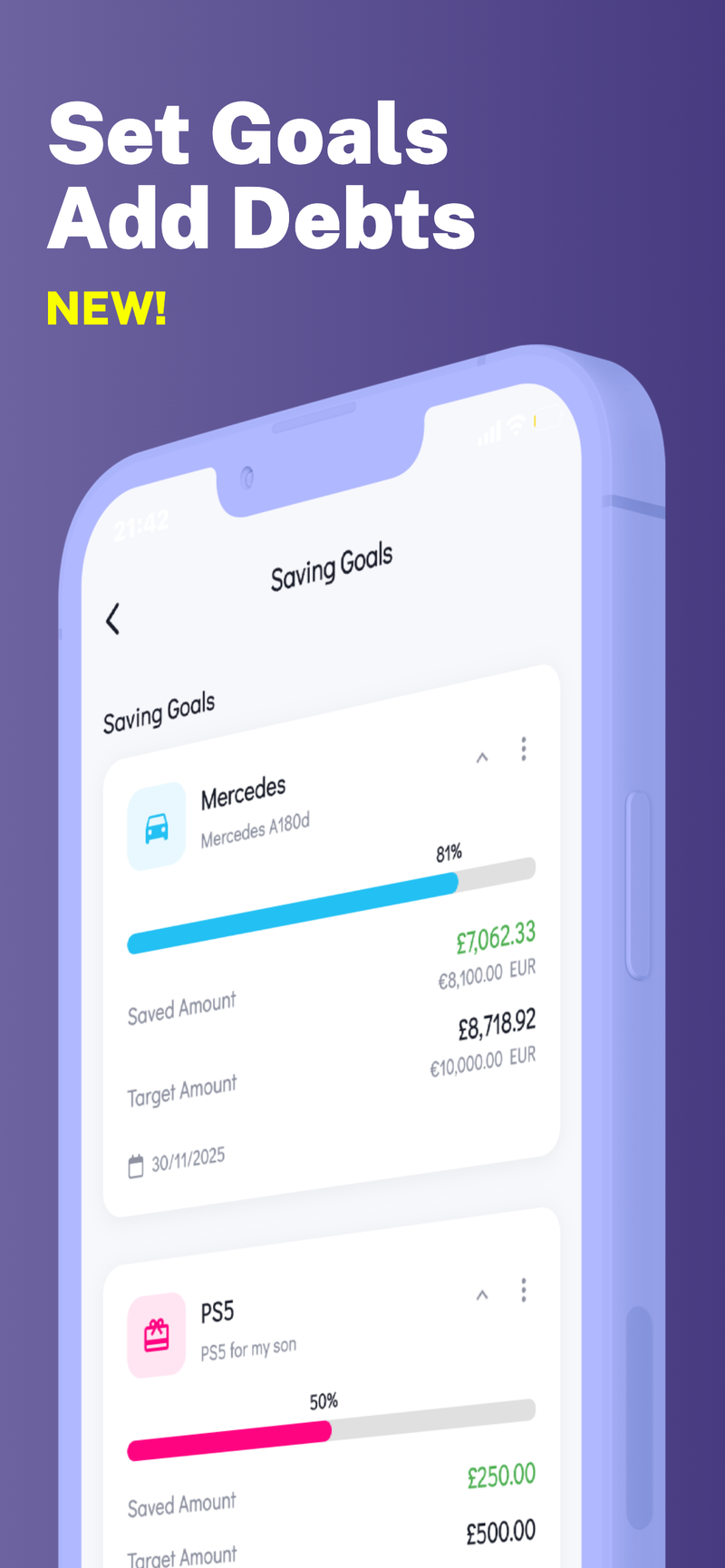
If you’d like a private budgeting companion that helps you manage multiple profiles (personal, family, or small business) and keeps your data on-device, Fokus Budget can be a helpful option. Its emphasis on privacy and flexible organization makes it easier to apply these strategies without clutter or confusion.
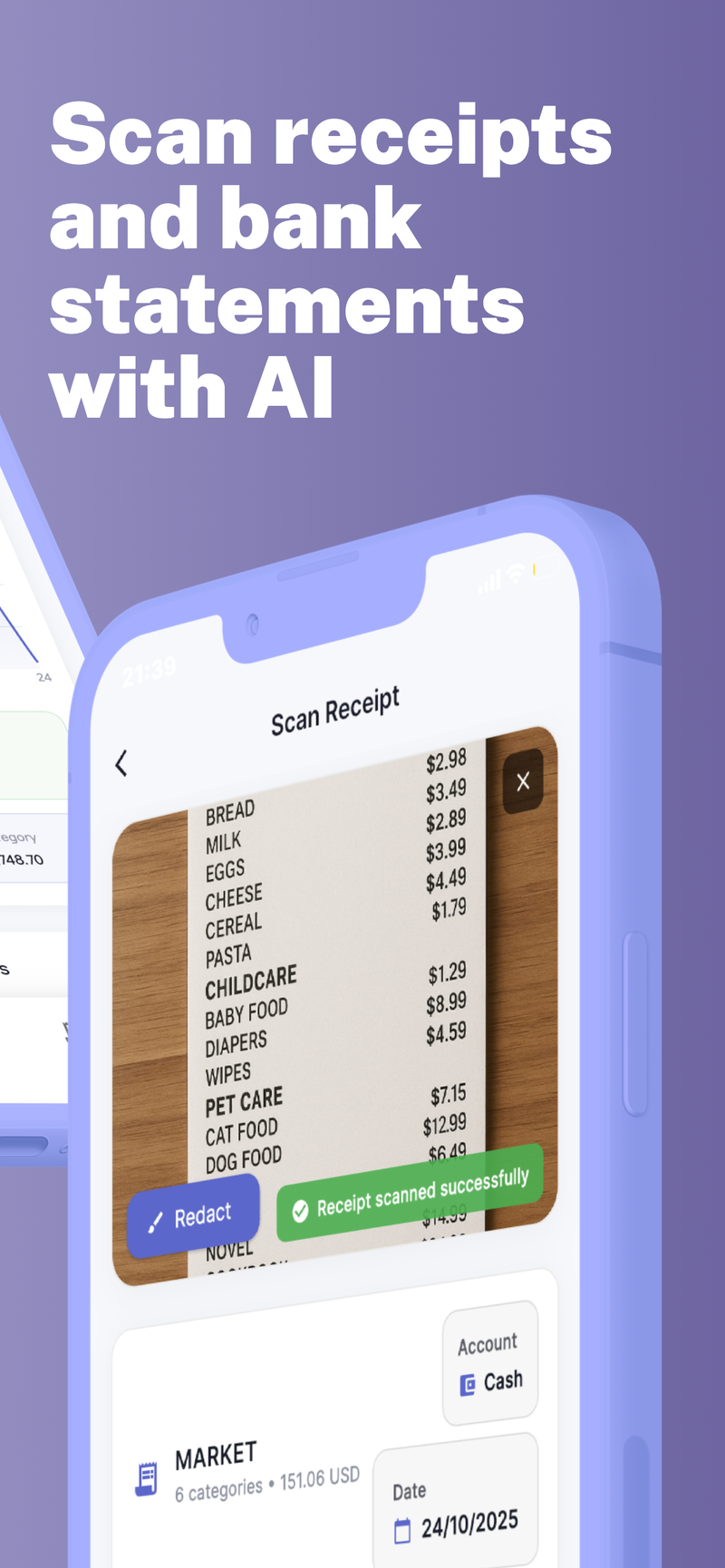

AI Receipt ScanningMulti-CurrencyBank ImportPrivacy-First
✨ Multi-Profile Support