·Health
Smart Sleep Hacks to Support Quitting Nicotine Recovery
Discover practical sleep strategies to ease nicotine withdrawal and support recovery. This guide offers science-backed tweaks to routines, environment, and daily habits to help you sleep better while quitting.
quit smokingnicotine cessationsleep hygienewellbeingself-care
Introduction
Choosing to quit nicotine is a powerful first step. You might feel hopeful and overwhelmed at once. Sleep tends to react first: you can have nights where it’s hard to fall asleep, or you wake up after short bursts of rest. Nicotine is a stimulant; when you quit, your brain recalibrates, and sleep can get bumpy. Yet sleep quality deeply influences mood, stress resilience, and cravings. The good news: small, steady sleep habits can make a meaningful difference in recovery.
Sleep and withdrawal: what to expect
Nicotine withdrawal often brings sleep disruption. Some nights you can't fall asleep; other nights you wake frequently. These patterns usually peak in the first days after quitting and can linger for weeks. Building smart sleep habits can reduce these disruptions and lower the odds of a late-night craving turning into a relapse.
Smart sleep hacks
Here are practical, evidence-informed steps you can start tonight. Use what fits your schedule, and build a simple routine you can repeat every day.
1) Set a consistent wake time and bedtime
2) Create a wind-down routine
3) Optimize the sleep environment
4) Tame nighttime cravings and stress
5) Mind your caffeine, meals, and alcohol
6) Move wisely and time matters
7) Use light, temperature, and sound cues
8) Track progress and adjust
Quick-start plan you can try this week
When to seek help
If sleep problems persist for more than a month or severely affect daily functioning, consider talking to a healthcare professional. Chronic sleep issues can be a sign of other concerns that deserve attention.
Conclusion and next steps
Quitting nicotine is a journey, and sleep quality is a powerful partner in that journey. By prioritizing a regular schedule, a calming pre-bed routine, and a sleep-friendly environment, you can reduce cravings at night and support steady recovery. If you want more structure, a guided plan that helps tailor your quit goals to your routine can be helpful. For instance, Quit Smoking & Vaping can support your progress with features that guide you through personalized setup and a step-by-step plan to reach your target timeline.


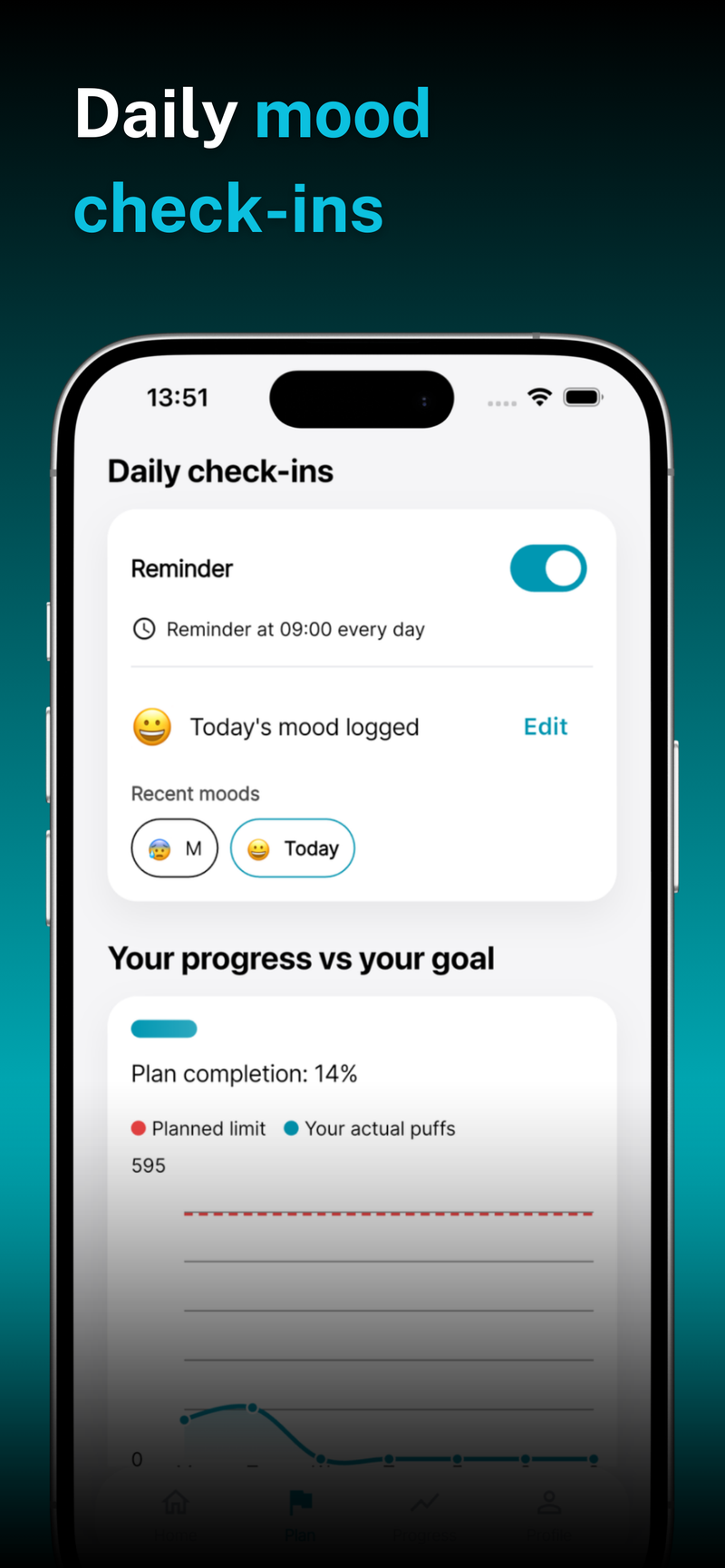

Daily MotivationProgress TrackingHealth MilestonesMoney Saved
💪 Onboarding & Personal Setup