
·Health
Smart Sleep Tips to Cut Evening Nicotine Urges
Evenings are often the most challenging part of quitting nicotine. This guide offers practical, sleep-focused strategies to reduce evening urges and boost your chances of success. Learn how a consistent wind-down, sleep-friendly environment, and mindful craving management can support your quit journey.
quit-smokingsleep-healthcravingshabitswellbeing
Introduction
If you are trying to quit smoking or vaping, evenings can feel like the hardest part. After a long day, cravings often arrive with restlessness as you wind down. The good news is that smart sleep habits can blunt those urges and keep you on track. By shaping how you sleep, you support mood, focus, and the discipline you need to resist nicotine when it matters most.
The sleep and craving connection
How nicotine affects sleep
Nicotine is a stimulant that can make it harder to fall asleep and stay asleep. After quitting, withdrawal symptoms such as restlessness, vivid dreams, and waking during the night can appear. In the early weeks of quitting, sleep problems are common—research suggests that 60-70% report insomnia or restless sleep in the first 2-4 weeks. When sleep suffers, stress and irritability rise, which can make cravings feel stronger.
The upside of a structured wind down
A calm, predictable pre-sleep routine signals your brain that it is time to rest and reduces the urge to reach for a nicotine fix during the hours before bed.
Practical sleep tips you can actually try
1) Build a two-step wind down
2) Create a sleep friendly environment
3) Maintain a regular sleep schedule
4) Mindful evenings to manage cravings
5) Relaxation techniques that ease withdrawal
6) Daytime habits that support night sleep
7) If sleep still struggles, practical next steps
8) Track progress and adapt
Conclusion and next steps
Evening sleep quality is closely tied to your ability to resist nicotine and stay committed to a quit plan. By building a consistent wind down, optimizing your sleep environment, and crafting mindful cravings strategies, you give yourself a solid edge. Small, steady changes add up over weeks and can reduce the intensity and frequency of evening urges.
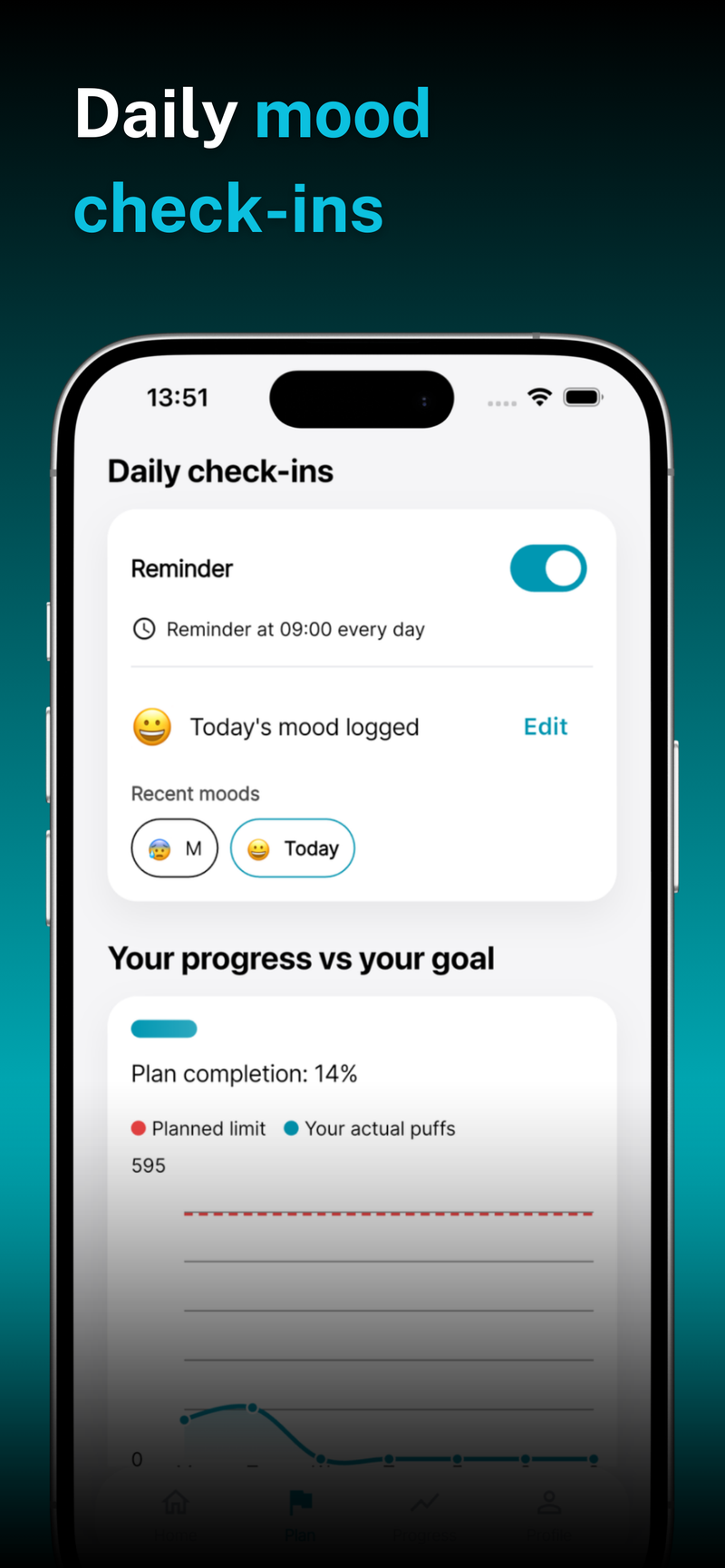
If you’re looking for a guided path to support quitting or reducing use, consider a plan that includes onboarding and personal setup to tailor goals, timelines, and daily targets. Quit Smoking & Vaping can help with this, offering a structured approach through its onboarding and personal setup features to support your specific quit or reduction plan.



Daily MotivationProgress TrackingHealth MilestonesMoney Saved
💪 Onboarding & Personal Setup