Introduction
Are you and your family juggling expenses every month, wondering if you’ll have to choose between essentials and a few small pleasures? You’re not alone. Inflation has a way of nibbling at groceries, utilities, and transport, even when wages feel fixed. The good news: you can trim costs without diminishing what matters most to your family. Small, steady changes compound over time, and they don’t require heroic shifts—just a clear plan and a little consistency.
Main Content
Start with a Spending Snapshot
Commit to tracking every dollar for 30 days. A simple spreadsheet or notebook works fine.Categorize expenses into needs (housing, utilities, food, transportation) and wants (dining out, streaming, impulse purchases).At the end of the month, identify your top five spend areas. This is where you’ll gain the most leverage without compromising family needs.Prioritize Needs vs. Wants
Create a needs vs. wants matrix for the month. If something isn’t essential, pause it for one billing cycle.Before approving a new expense, ask: will this improve a family priority or merely satisfy a temporary desire?Quick wins: cancel unused memberships, cook at home more often, and plan activities that don’t require costly tickets.Grocery Savings Without Sacrificing Meals
Plan weekly meals around affordable ingredients and sale cycles.Build a shopping list and stick to it; avoid impulse buys by shopping with a purpose.Opt for store brands and bulk staples, then rotate recipes to use what you buy.Batch cook and freeze portions to reduce waste and last-minute takeout temptation.Energy and Home Efficiency
Lower the thermostat a couple of degrees in winter and raise it a bit in summer; small changes add up.Switch to LED bulbs and unplug idle electronics. Use smart power strips for easier management.Seal drafts and improve insulation where feasible; tiny improvements can cut your bill more than you’d expect.Run full loads for laundry and dishes to maximize efficiency.Transportation and Mobility
Carpool or combine trips to reduce fuel and wear-and-tear costs.Keep up with regular maintenance to prevent expensive repairs.Explore public transit, biking, or walking when practical.If you drive, compare fuel economy and consider adjusting plans to minimize high-usage routes.Housing, Insurance, and Debt
Revisit insurance quotes every 1–2 years; small premium changes can add up over time.If you carry high-interest debt, consider a plan to pay it down faster or consolidate where sensible.When feasible, compare rent or mortgage terms at renewal and negotiate if you have a legitimate reason (loyalty discounts, referrers, or new options in the market).Subscriptions and Recurring Payments
Audit every recurring charge: streaming, software, clubs, and gym memberships.Share family plans where allowed; cancel duplicates and pausing nonessential services during tighter months.Set a quarterly reminder to review ongoing subscriptions instead of letting them drift.Kids’ Activities and Education on a Budget
Look for free or low-cost community programs, libraries, and parks for enrichment.Take advantage of siblings sharing activities when appropriate and affordable.Set a yearly cap for extracurriculars and use a waiting period before enrolling in new activities.Create a Family Budgeting Routine
Choose a budgeting framework that suits your family: zero-based budgeting for precision or 50/30/20 for flexibility.Schedule a weekly 15–30 minute family check-in to review expenses, adjust plans, and celebrate small wins.Build a simple 30/60/90-day forecast to anticipate upcoming costs (back-to-school, holidays, birthdays).Practical Implementation: A 6-Week Plan
Week 1: Track and categorize all expenses.Week 2: Eliminate 2–3 small recurring charges and renegotiate where possible.Week 3: Implement meal planning and energy-saving changes.Week 4: Review housing and transport costs; compare options if renewals are near.Week 5: Audit subscriptions; adjust family plans and pause nonessential services.Week 6: Review outcomes, celebrate savings, and set new monthly targets.Conclusion
Small, consistent steps add up to meaningful savings without sacrificing your family’s needs. The goal is to replace uncertain spending with intentional choices, keep communication open, and review progress regularly. If you want a practical way to coordinate these efforts across multiple family members and keep your data private, there are tools designed to help manage budgets for households without compromising your security. Consider how a focused budgeting approach could fit your family’s rhythm and priorities.
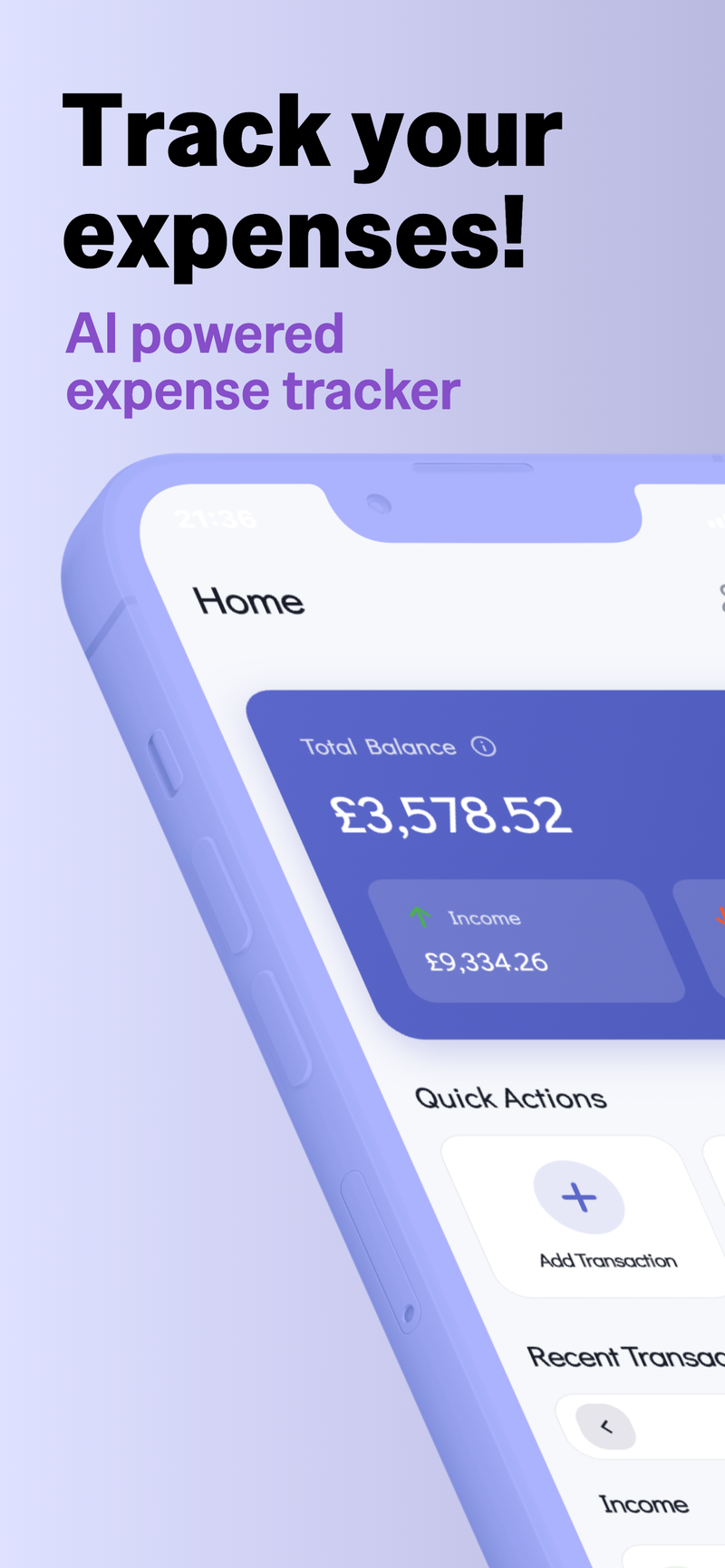
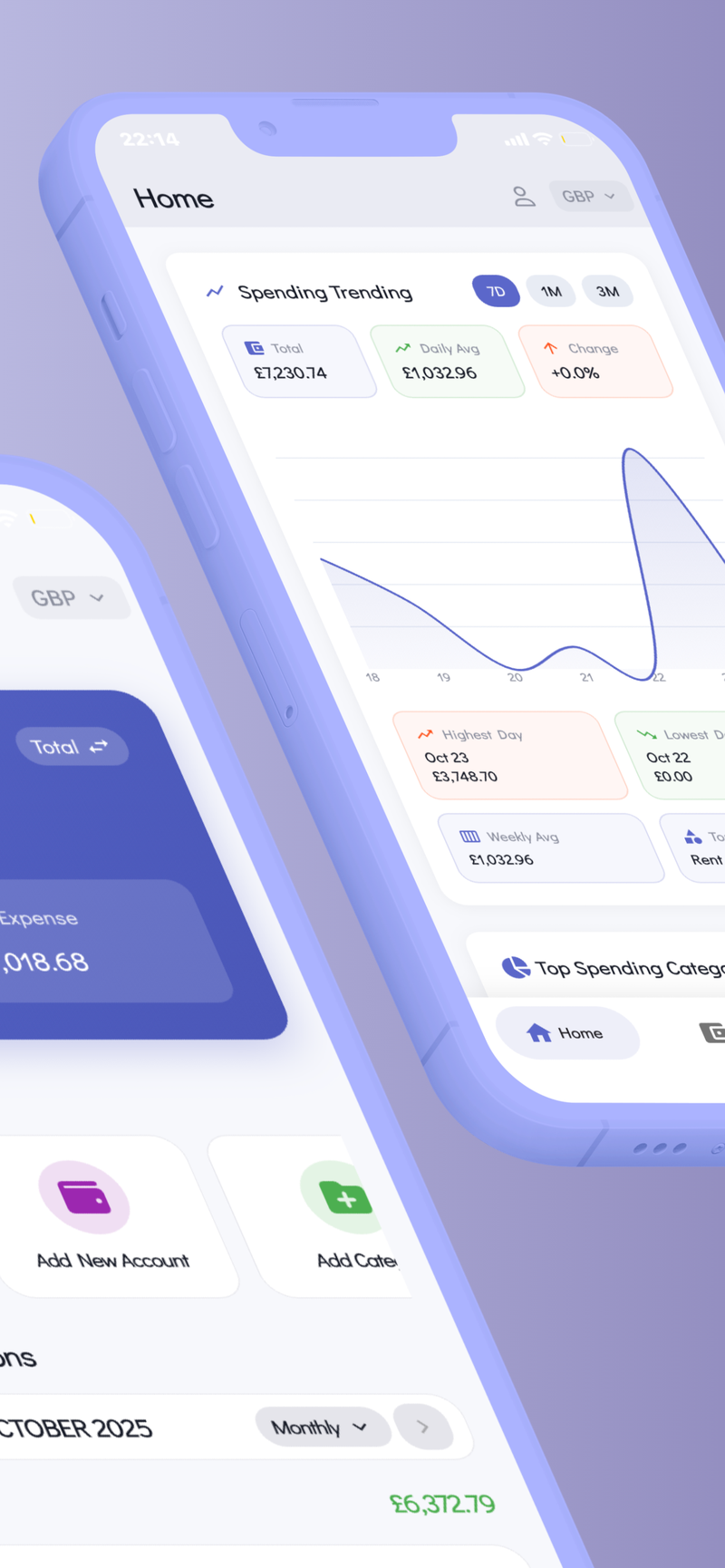
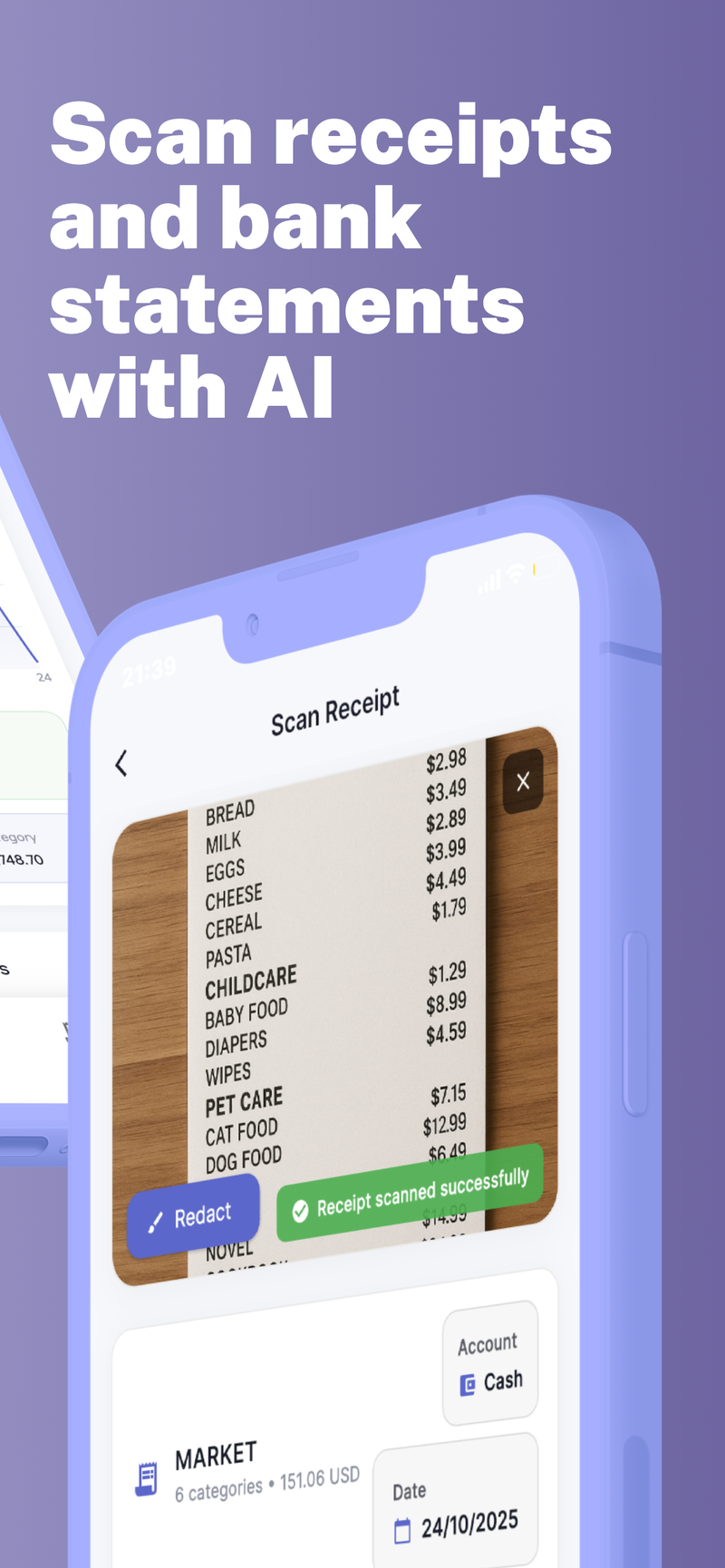
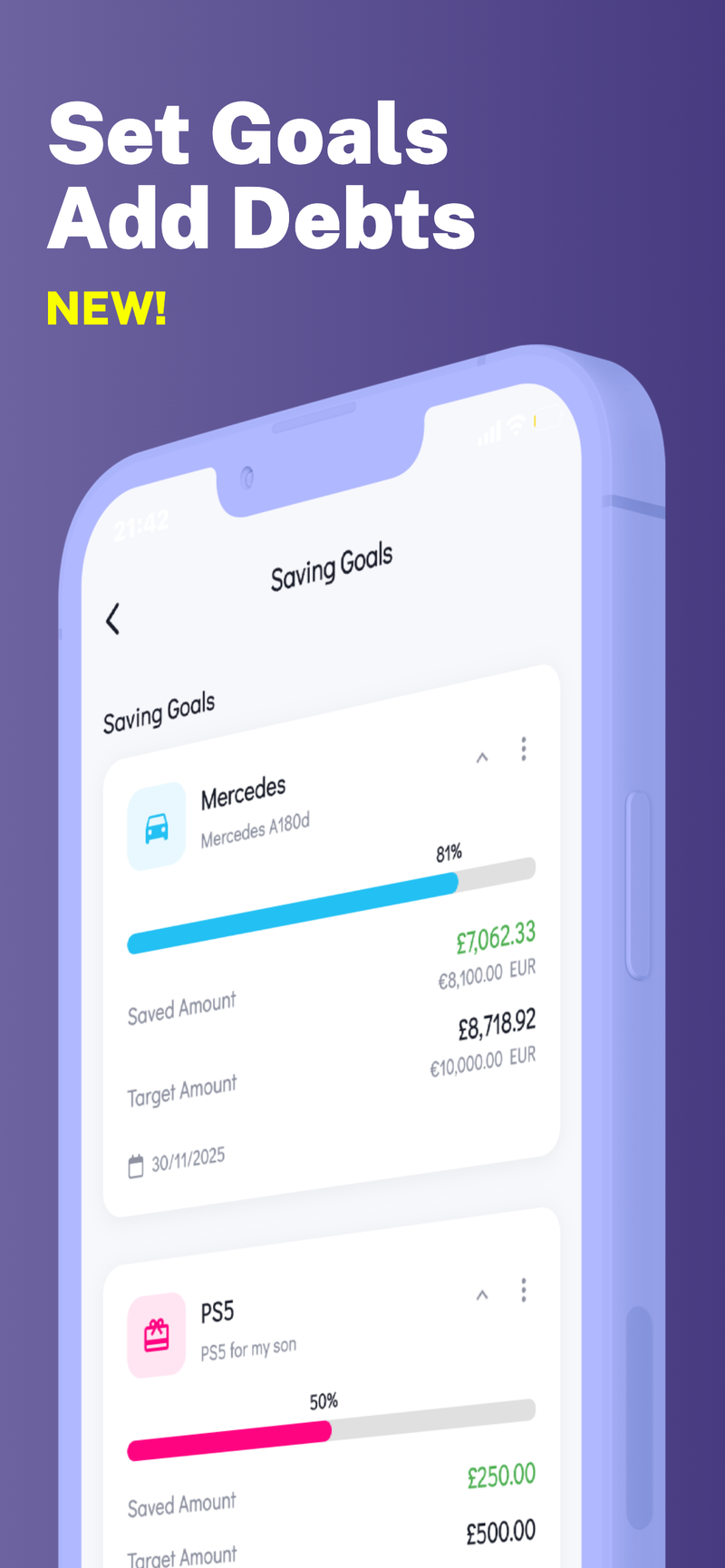
If you’re exploring a private budgeting tool to support these strategies, Fokus Budget can help with this. Its Multi-Profile Support lets you manage different family budgets within a single, private app, while your data stays securely on your device. This combination can make it easier to implement the plan above without feeling overwhelmed, keeping everyone aligned and on track.