
·Health
Smart Ways to Handle Stress Without Turning to Nicotine
Stress is a major barrier for anyone trying to quit smoking or vaping. This guide offers practical, science-backed strategies—breathwork, grounding, routine, movement, mindfulness, and social support—to manage stress without nicotine. Learn to build a personal toolkit and start a simple plan today.
smoking cessationstress managementwellbeingquit smokinghealth
Introduction: stress and quitting – a common hurdle
Is stress fueling your urge to smoke or vape? If so, you’re not alone. Quitting or reducing nicotine often comes with emotional and physical turbulence, especially when life feels hectic. The good news: you can build a toolbox that helps you ride out stress without turning to nicotine. This article shares practical, proven techniques you can start today.
Understanding why stress makes quitting hard
Nicotine can temporarily dull stress, which creates a tricky loop: relief from stress triggers a craving, the craving leads to a tobacco or vape choice, and withdrawal or relapse followed by more stress repeats the cycle. Research consistently shows that stress is a major trigger for smoking relapse and that building adaptive coping strategies increases the odds of a successful quit or reduction. The goal isn’t to eliminate stress—it's to change how you respond to it.
Build a practical stress-management toolbox
Below are approachable, evidence-informed strategies you can mix and match.
1) Breathwork and body awareness
2) Grounding and mood-shifting techniques
3) Sleep, schedule, and routine
4) Movement that fits your day
5) Mindfulness, reframing, and urge surfing
6) Social support and environment
7) Nutrition and hydration
A simple, actionable plan you can start this week
1) Identify your top three stress triggers (workload, conflict, fatigue).
2) Pair each trigger with a specific coping strategy from the toolbox above.
3) Schedule a 10-minute stress break at the times you expect triggers (e.g., mid-morning, late afternoon).
4) Keep a tiny notepad or notes app to track what helped and what didn’t.
5) Share your plan with one supportive person and ask for a quick check-in.
6) Prioritize sleep and meals; set a bedtime routine and plan meals you enjoy.
7) Reflect every weekend: which strategies reduced cravings and stress most effectively?
Practical tips for high-stress days
Understanding cravings and stress together
Cravings are more likely to occur when stress is high. Treat cravings as a signal to pause, not a directive to smoke. Hydrate, take a short walk, practice a few breaths, then reassess. If the urge persists, call a friend or switch to a constructive task like tidying a small space or organizing files. Small, consistent actions beat willpower alone.
Quick takeaways
Conclusion: turning stress into a stepping stone, not a setback
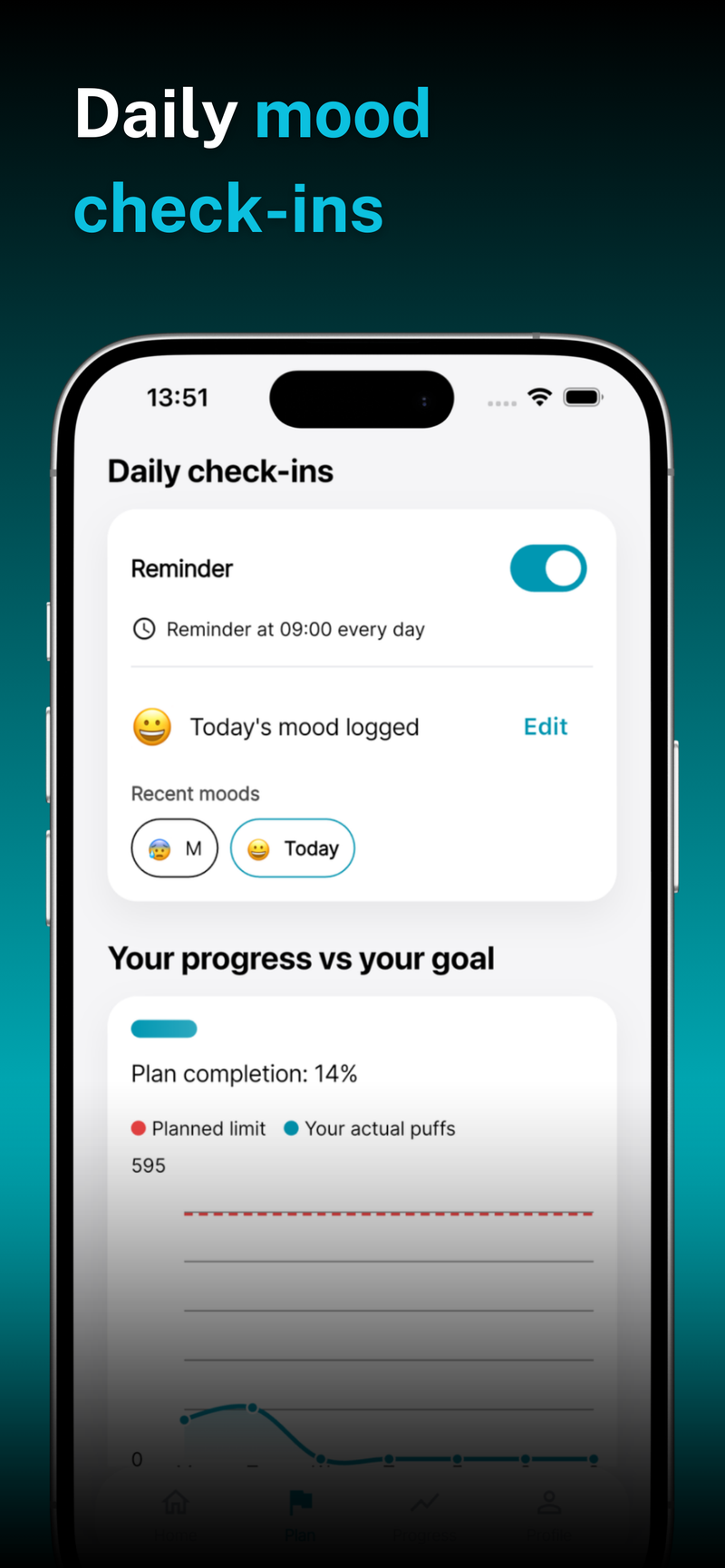
By building a flexible, evidence-informed approach to stress, you can reduce nicotine-driven urges and strengthen your quit or reduction journey. The combination of daily routines, mindful strategies, and supportive practices helps you respond to stress with intention rather than impulse. If you’re looking for a guided start that walks you through onboarding and a personalized quit plan, Quit Smoking & Vaping can help with this. It can provide a structured framework to support your goals while you build lasting resilience against stress.



Daily MotivationProgress TrackingHealth MilestonesMoney Saved
💪 Onboarding & Personal Setup (friendly onboarding and personalized quit plan)