
·Budgeting
Spot and Seal Budget Leaks: A 7-Day Audit Plan
Spot and seal budget leaks with a practical 7-day audit. Identify hidden waste, trim subscriptions, optimize meals and energy, and build a lean monthly plan—finances you can actually sustain.
budgetingpersonal-financefamily-financefrugal-livingmoney-management
Introduction Ever notice how your spending quietly creeps up, day by day? Those small, unnoticed leaks—like a forgotten subscription, a pricey coffee run, or a higher-than-necessary utility bill—can add up to real money over a month or a year. Most families can trim discretionary spending by focusing on the small leaks first, then tightening the bigger, recurring costs. The goal isn’t deprivation; it’s awareness, discipline, and simple tweaks that add up. This guide lays out a practical, seven-day audit you can run with minimal setup. You’ll identify where money slips away, test reasonable fixes, and create a lean, sustainable plan for the next month. > Quick facts: many households underestimate how much they spend on subscriptions and dining out. A conservative estimate is that 4-6 recurring charges are rarely used, while dining out and impulse buys account for a meaningful chunk of discretionary spending. A focused audit can reveal several hundred dollars in annual leaks for a typical family. --- ## 7-Day Audit Plan (practical, hands-on steps) ### Day 1 — Set baselines and gather it all - Gather statements for the last 90 days: bank, credit card, utility bills, and major receipts. The goal is a complete picture, not perfect records. - Create a simple budget scaffold (you can use a basic spreadsheet or notebook): categories for housing, utilities, groceries, transport, debt payments, subscriptions, dining out, and entertainment. - Define 2-3 concrete goals for the week (for example: cut non-essential spend by 20%, cancel 2 unused subscriptions, reduce grocery waste). - Decide your measurement: total discretionary spend, number of active subscriptions, and average daily spending. ### Day 2 — Identify essential vs. discretionary spending - Tag every expense as essential (rent, utilities, groceries) or discretionary (coffee, streaming, impulse buys). - Examine small daily purchases: how often do you buy single-use items you could replace with a one-time buy (reusable bottles, snacks prepared at home, etc.)? - Set a daily cap for discretionary purchases (e.g., $8-12/day per person) and track it. - Look at recent receipts and note any repeat surprises (fees, tips, delivery charges) that add up. ### Day 3 — Subscriptions and recurring charges - List every recurring charge (streaming, apps, memberships, gym, cloud storage). - Check utilization: which services are actually used weekly or monthly? Cancel or pause at least 2 that are underused. - Consider downgrades or annual plans if they save money and are truly used. - Negotiate or switch vendors for similar services when possible (e.g., internet, phone plans). ### Day 4 — Groceries and meals - Track grocery spending for a full week and compare to last month’s average. - Plan meals around sales and bulk items you’ll actually use. - Create a simple weekly menu and a precise shopping list to avoid impulse buys. - Use a “leftovers first” rule to minimize waste and extend your groceries. ### Day 5 — Utilities and energy habits - Review last 3 months of utility bills; note any spikes and possible causes (seasonality, thermostat settings, running appliances). - Implement small energy-saving steps: lower thermostat by 1-2 degrees, unplug idle electronics, switch to LED bulbs, run full loads for laundry and dishes. - If feasible, adjust or consolidate time-of-use plans for cheaper electricity or energy-saving programs. - Consider a short-term trial of a programmable thermostat or smart plug to automate savings. ### Day 6 — Transportation and big-ticket costs - Examine fuel, maintenance, insurance, and parking costs. Look for patterns (commute changes, lax maintenance schedules). - Plan cheaper alternatives when possible: carpooling, public transit passes, or biking for short trips. - For big purchases: apply a 24- to 48-hour cooling-off period to avoid impulse buys; compare prices across 2-3 reputable sources. - Schedule preventive maintenance to avoid costly repairs later. ### Day 7 — Build the lean budget and commit - Synthesize findings into a lean plan: essential needs, a capped discretionary budget, and 1–2 subscriptions to cut. - Set up a simple monthly budget target with realistic exceptions for holidays, birthdays, and travel. - Create a weekly check-in (10 minutes) to compare actuals vs. plan and adjust before the month ends. - Automate where possible: payment due dates, bill reminders, and savings transfers. > Practical tips to boost success: >- Use the zero-based budgeting approach: every dollar has a job. >- Implement the 30-day wait for non-urgent big purchases. >- Use a minimal “envelope” method for dining out and casual spending—keep cash for this category if it helps. >- Price-check before online purchases and watch for shipping fees or return costs. ### Quick stats to frame the effort - Recurring subscriptions: many households unknowingly pay for 4-5 services they seldom use. - Dining out and takeout can account for a surprising share of discretionary spending—often in the 10-15% range of take-home pay for frequent eaters. - Small energy tweaks can save 5-15% on monthly utility bills, depending on your climate and habits. --- ## Putting the plan into practice A seven-day audit works best when you keep it simple and actionable. Capture receipts, update your budget once a day, and review in daylight hours—preferably soon after dinner when the day’s expenditures are fresh in memory. The goal is not perfection but visibility: you’ll be surprised how revealing a week of data can be for guiding smarter choices next month. If you want to reinforce progress, consider a budget tool that keeps family finances organized without sharing sensitive data outside your home. A multi-profile setup, for example, can help households manage personal budgets separately while maintaining a single, clear overview for the family. This kind of capability makes weekly check-ins smoother and accountability clearer. ## Conclusion A focused 7-day audit won’t tr
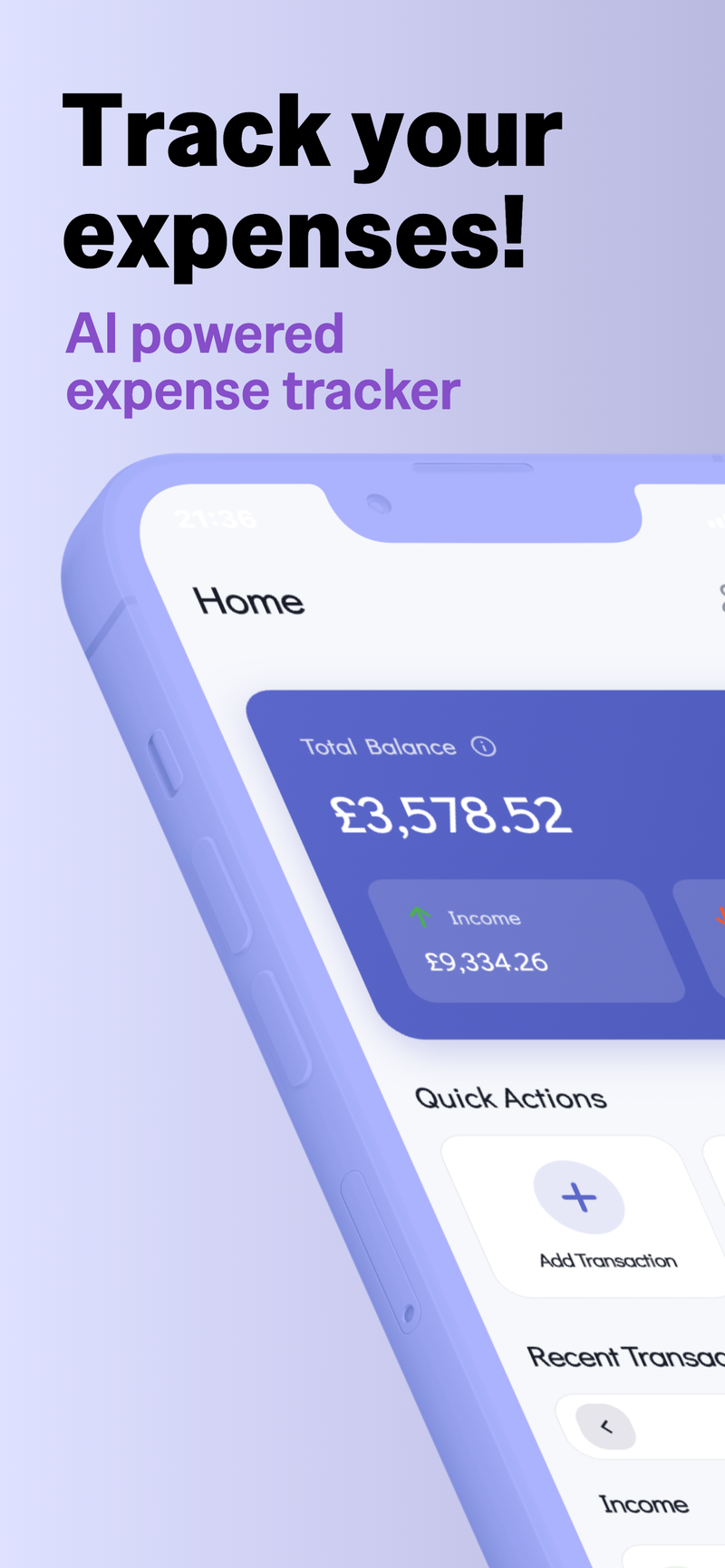
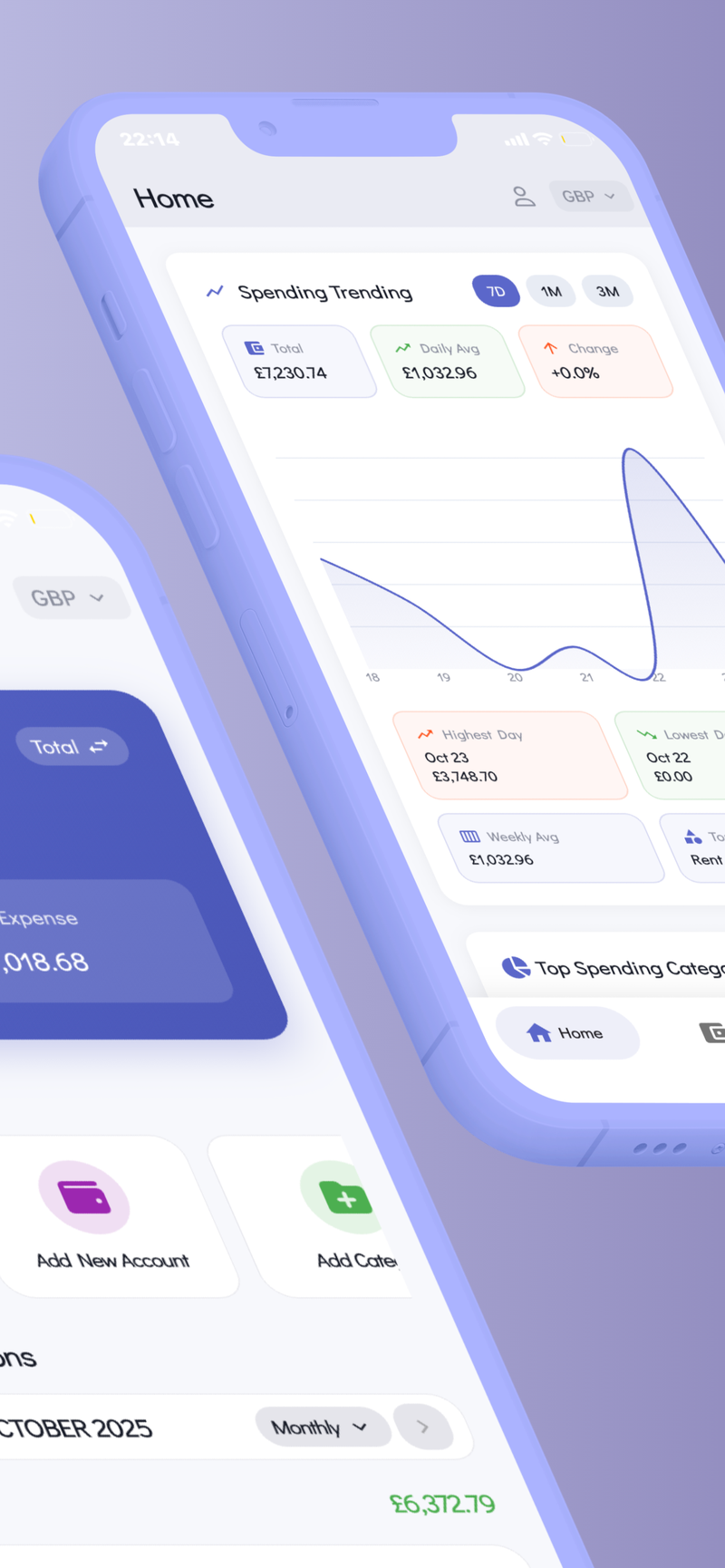

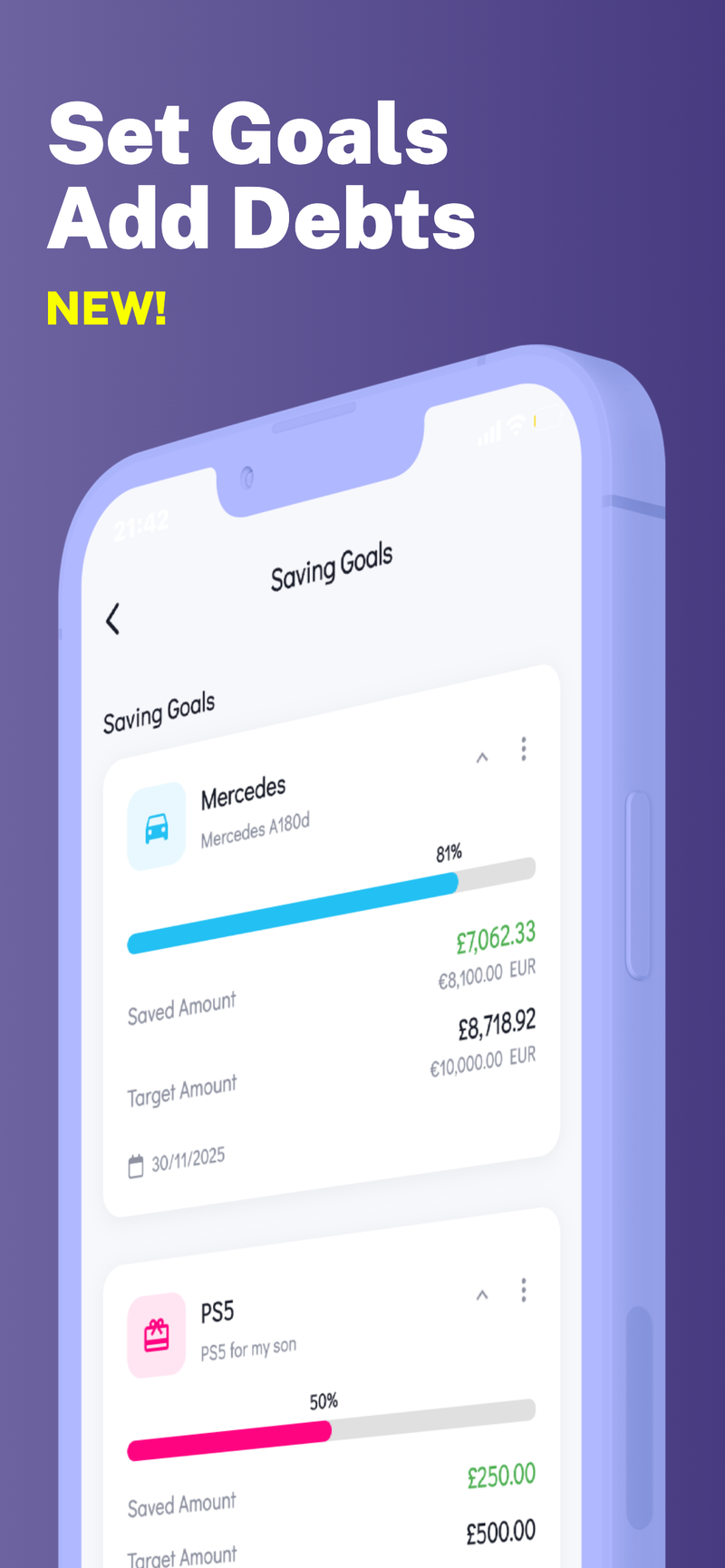

AI Receipt ScanningMulti-CurrencyBank ImportPrivacy-First
✨ Multi-Profile Support