
·Health
Staying Motivated to Quit Nicotine: 5 Practical Tips
Struggling to stay motivated while quitting nicotine? This guide offers five practical, evidence-based strategies—concrete planning, trigger mapping, supported accountability, withdrawal management, and progress tracking—to help you quit smoking or vaping for good.
healthbehavioral-changesmoking-cessationwellnesshabits
Introduction Quitting nicotine—whether you smoke or vape—often isn’t a single moment of willpower. It’s a process that rides on motivation, mood, and the daily decisions you make. If you’ve tried to quit before and felt your resolve slip, you’re not alone. In fact, most people who want to quit try several times before staying nicotine-free. Roughly 70% of smokers want to quit, but unassisted quitting success rates are relatively low. The good news is that motivation isn’t a one-and-done thing—it grows when you have concrete steps, support, and a plan you can actually stick to. This article offers five practical, proven strategies you can start today. They’re designed to fit real life—work schedules, family responsibilities, and those stubborn cravings that show up at the most inconvenient times. ## Tip 1: Define a concrete quit or reduction plan Turning motivation into action starts with clarity. Ask yourself: - Do you want to quit completely, or reduce gradually? - What is your target timeline? Is the goal to be nicotine-free in 4 weeks, 8 weeks, or 12 weeks? - What is your daily usage right now (cigarettes or puffs)? How much money do you spend on nicotine each week? Practical steps: - Pick a quit date or a reduction milestone and write it down. Treat it like a project with a due date. - Break the goal into small, trackable milestones (e.g., 24 hours, 3 days, 1 week, 2 weeks). - Quantify your current baseline. Knowing your daily use and weekly cost makes the benefit of quitting tangible. - Share your plan with one trusted person who can check in on you. Why this helps: clear milestones reduce the mental clutter of “one day” and turn motivation into a schedule you can follow, especially when cravings spike. ## Tip 2: Map your triggers and swap in healthier responses Cravings don’t come out of nowhere. They’re usually tied to situations, emotions, or routines (coffee breaks, after meals, stress, social events). Actionable steps: - Keep a simple cravings log for one week. Note the time, what you were doing, what you were feeling, and the intensity of the urge (0-10). - Identify your top five triggers and prepare replacements (sip water, chew sugar-free gum, take a 5-minute walk, practice deep breathing, use a stress ball). - Create a delay strategy: when a craving hits, wait 10 minutes and engage in a different activity. Cravings often peak and fade; the time-bound approach minimizes impulsive use. - Change your routine to disrupt the pattern (move your coffee ritual to another mug, stand during calls, take a walk after meals). Data point: cravings and withdrawal symptoms typically peak in the first week and often ease after 2–4 weeks. Small, repeatable replacements build resilience over time. ## Tip 3: Build support and accountability Trying to quit alone makes the journey harder. Social support improves adherence and mood, and it reduces relapse risk. Actionable steps: - Tell friends, family, or coworkers about your plan and ask for a specific form of support (check-ins, reminders, or sharing progress). - Join a quitting buddy system or a small support circle (online or in person) to share wins and challenges weekly. - Schedule regular check-ins with someone you trust. If you stumble, frame it as data for your plan (what triggered it and what you’ll do differently next time). Why it matters: accountability and encouragement help you ride through tough days and celebrate progress, which reinforces motivation. ## Tip 4: Manage withdrawal with a practical toolkit Withdrawal is real, but you don’t have to endure it passively. Prepare a simple toolkit: - Nicotine replacement or non-nicotine medications as advised by a healthcare professional. - Physical activity: a 10–15 minute walk or short bodyweight routine can reduce cravings and improve mood. - Hydration and healthy snacks to manage the urge to snack or vape. - Sleep hygiene: a consistent sleep schedule reduces irritability and decision fatigue. - Mindfulness or breathing exercises: 4-7-8 breathing can calm cravings in the moment. Practical steps: - Pick 2–3 tools you can realistically use every day and keep them within reach. - Plan for high-risk moments (weekends, after meals, driving) with a pre-arranged alternative activity. - Track your mood and energy levels daily; notice how small changes (like movement after meals) reduce cravings. What to expect: most withdrawal symptoms are temporary and tend to lessen as your body adapts to life without nicotine. ## Tip 5: Track progress, adapt, and celebrate small wins Motivation follows momentum. Regularly reviewing your progress reinforces your “why” and shows you how far you’ve come. Actionable steps: - Keep a simple quit log: days nicotine-free, cravings logged, milestoned achievements, and money saved (even rough estimates help). - Set mini-rewards for milestones (a favorite meal, a movie night, or a small purchase after a week or month without nicotine). - Review and adjust every two weeks. If a trigger pattern repeats, modify your plan accordingly (new replacements, different coping strategies, additional support). - Learn from slips rather than letting them derail you. Analyze what happened, what you could do differently, and reset quickly. Evidence suggests that acknowledging progress—no matter how small—boosts confidence and strengthens the habit to stay nicotine-free over time. ## Quick data to keep in mind - About 70% of smokers express a desire to quit; successful unassisted quitting is relatively rare, underscoring the value of a practical plan and support. - Quitting improves heart health soon after; most withdrawal symptoms peak in the first week and decline thereafter, with many people feeling clearer and more energetic within a few weeks. # Conclusion Staying motivated to quit nicotine isn’t about a single moment of decision—it’s about constructing a reliable system: clear goals, trigger-aware planning, steady support, practical withdrawal management, and ongoing progress


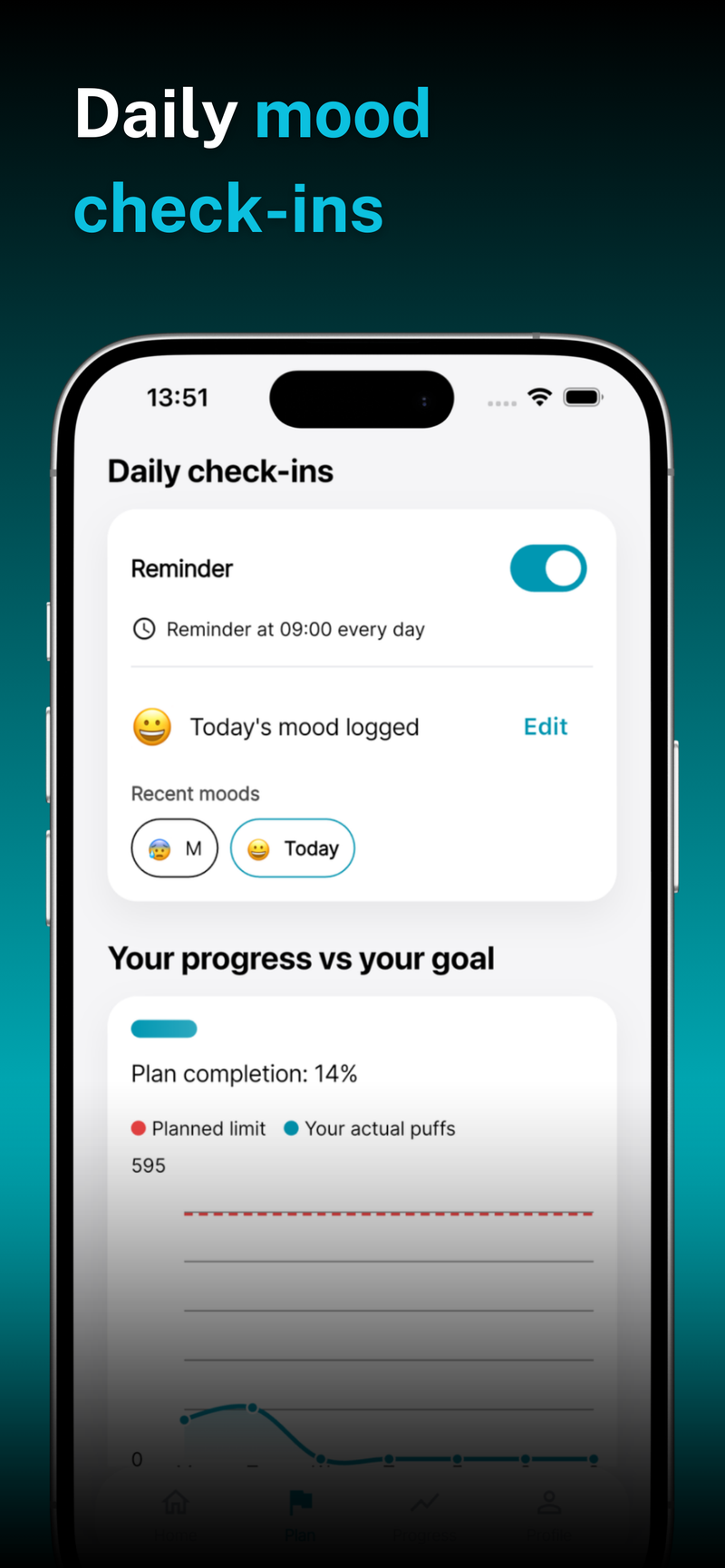

Daily MotivationProgress TrackingHealth MilestonesMoney Saved
💪 Onboarding & Personal Setup: personalized quit plan