Introduction
We’ve all stood at the fridge and wondered where the week went—and why certain items seem to vanish into the void of mystery leftovers. Food waste isn’t just an environmental concern; it’s money slipping through your fingers. Globally, about one-third of all food produced is lost or wasted, and in the United States, wasted groceries can add up to roughly $1,500 per household per year. Small habits, repeated weekly, can turn that trend around.
If you’re looking to reduce waste and lower your grocery bill without making cooking feel like a second job, you’re in the right place. Below are practical steps you can implement this week, plus a simple framework to keep momentum going.
Practical steps to stop food waste
Audit what you have and set a plan
Do a quick 15-minute weekly audit of your fridge, freezer, and pantry. Put items with the nearest expiry dates at the front and note anything you’re unlikely to use.Create a simple three-part plan for the week: meals you’ll cook, ingredients you already own, and items that should be used soon. This reduces impulse buying and waste.Use a one-page inventory (even a sticky-note on the fridge) to guide what you buy and what you skip.Plan meals around what you already own
Build your meals around produce that’s nearing its expiry date. If you’ve got peppers, use them in a stir-fry; if you have carrots and onions, whip up a soup. This approach minimizes waste and keeps costs predictable.Map out 3-4 versatile meals that can share ingredients. For example, roasted chicken can become tacos, soup, or a grain bowl later in the week.Keep a running list of “use soon” ingredients and add new ideas as you go.Shop smarter, stock smarter
Make a clear shopping list based on your weekly plan. Buy perishables in smaller quantities more often if you’re cooking daily, or opt for frozen alternatives when appropriate.Prioritize shelf-stable staples (beans, rice, oats) and versatile ingredients that you can repurpose across several meals.Compare unit prices and be wary of bulk buys you won’t actually use. Bulk can save money, but waste eliminates the savings.Store wisely and label for FIFO
Practice First In, First Out (FIFO): place newer items behind older ones so the oldest get used first.Use clear containers for leftovers and label them with the date and intended use. A simple label can dramatically reduce forgotten food.Keep your fridge at about 1–4°C (34–39°F) and your freezer at -18°C (0°F). Proper temperature helps extend freshness.Leftovers and batch cooking matter
Treat leftovers as a planned part of your meals. Create a “leftovers day” once a week to reinvent anything that’s approaching its expiry.Batch-cook when you have time. Prepare a big pot of soup, chili, or curry and portion it for lunches or quick dinners.Freeze portions with clear dates. A frozen meal can be a lifesaver on busy nights and reduces the chance of tossing edible food.Track, learn, and adapt
Keep a simple waste diary for a few weeks: what you threw away, why you threw it away (expired, forgot it, wrong season), and what would have helped you use it.Use the data to adjust your plan. If you consistently waste herbs, you’ll buy them less often or freeze them; if fruit goes soft, bake or freeze sooner.Consider price awareness: if an item is on sale but you won’t use it quickly, wait for a better match to your plan.Quick wins to get started this week
Do a 60-minute kitchen audit this weekend and set 3 concrete goals for the coming week.Create a one-page plan linking meals to the ingredients you already own.Freeze at least two items today that you’d otherwise waste (a loaf of bread becomes croutons, overripe fruit becomes smoothie packs).Real-world examples and data points
Global context: about one-third of food produced worldwide is lost or wasted. Reducing waste has a meaningful environmental and economical impact.Household impact: in the U.S., wasted groceries can translate to around $1,200–$1,600 per year for many families, depending on household size and eating habits.Practical approach: planning, proper storage, and a simple waste-tracking habit can cut weekly waste by a meaningful margin, often translating to noticeable savings after just a few weeks.Making waste reduction a habit that fits your budget
Start small: pick one area to improve this week (inventory, a specific meal plan, or storage technique) and expand next week.Use flexible staples: eggs, beans, grains, and frozen vegetables are budget-friendly and versatile, helping you stretch meals without waste.Be mindful of portion sizes: cooking just enough for your family or freezing the extras prevents both waste and overeating.Conclusion
Reducing food waste isn’t about perfection; it’s about consistent, smarter choices that add up over days and weeks. By auditing, planning, storing well, and embracing leftovers, you can lower your grocery bill without sacrificing the foods you love.
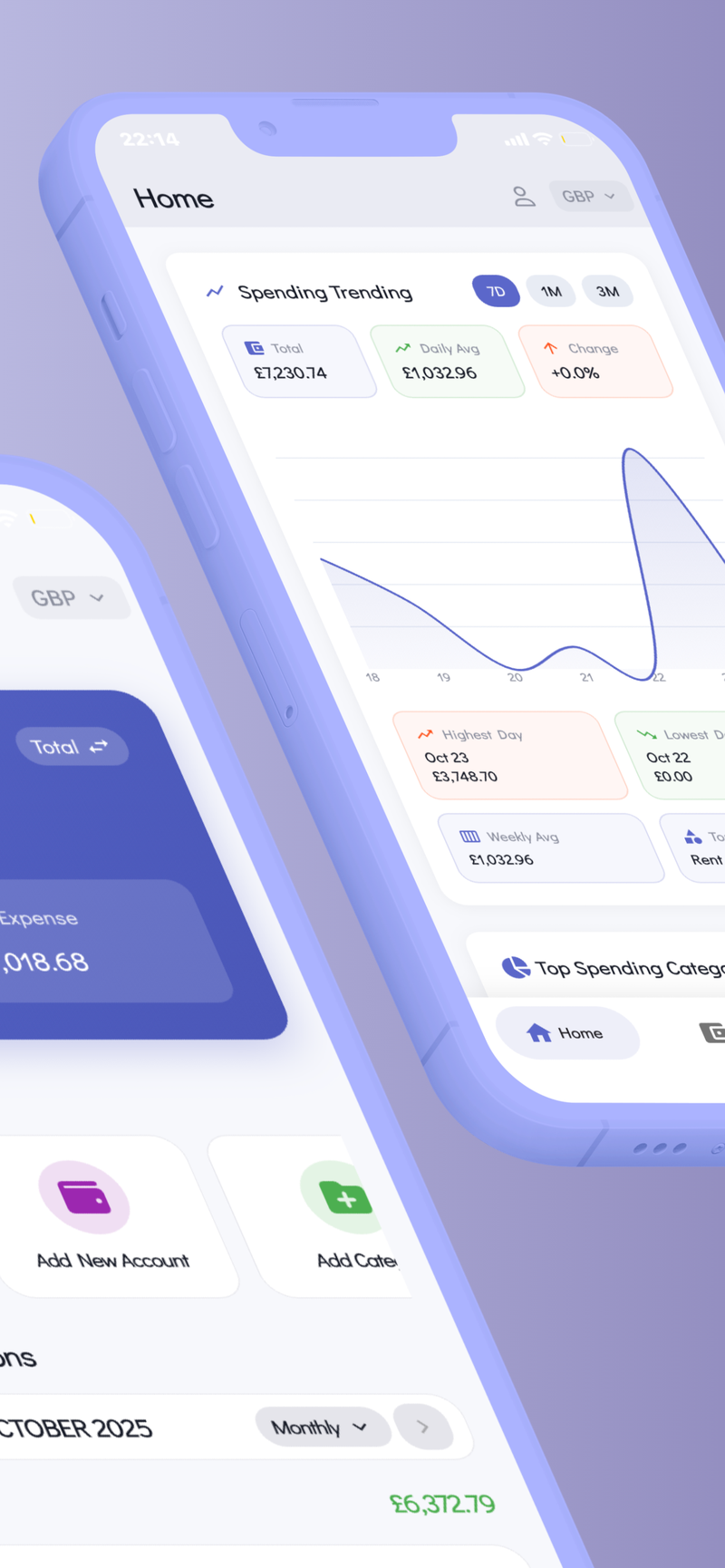
If you’d like a straightforward way to track grocery spending alongside the rest of your budget, Fokus Budget can help with Multi-Profile Support, letting you manage groceries, household expenses, and savings side by side—securely on your device. Small steps, big savings.