Introduction
Are you staring at a rising grocery receipt each week and wondering where your budget went? You’re not imagining things. Across many regions, grocery prices have climbed for staples like milk, meat, and produce. The good news is you can counter these trends with a practical, family friendly plan that centers on planning, smart shopping, and waste reduction. This guide offers simple, proven steps you can start this week.
Understanding the price pressure behind grocery bills
Prices for food at home have risen in many markets over the past few years, driven by inflation, supply chain shifts, and higher transportation costs.Families often feel the bite in weekly groceries even when other bills stay steady. Small changes in meals, shopping habits, and waste can add up to noticeable savings over a month.The goal isn't perfection, but consistency. A few focused adjustments can reduce the dividend of rising prices without sacrificing nutrition or variety.Practical strategies to shrink the bill
Meal planning and pantry management
Start with a quick Sunday pantry survey: what do you already have that could form the basis of meals this week?Plan 5 dinners around ingredients you already own or can buy cheaply in season.Build a flexible recipe binder so you can swap ingredients without throwing meals off track.Use leftovers creatively — for example, roast chicken becomes soup, sandwiches, or a pasta topping.Smart shopping and price awareness
Shop with a precise list and stick to it. Impulse buys are a common source of overspend.Compare unit prices and consider store brands which offer substantial savings with similar quality.Check weekly circulars and plan around sales on proteins, dairy, and staples.Buy in bulk only when you’ll actually use what you buy and have proper storage to avoid waste.Storage, waste reduction, and cooking efficiency
Invest in proper storage for fruits, vegetables, and opened packages to extend freshness.Freeze portions of meals or ingredients to avoid spoilage and flatten out meal planning across the week.Reuse scraps for stocks, broths, or sauces to stretch ingredients further.Label leftovers with date and content so nothing slips into the trash.Seasonal and bulk strategies
Favor seasonal produce; it’s typically fresher and cheaper. Consider frozen produce when fresh options are pricey or out of season.Buy staples in moderate bulk if you can store them well and if you’re confident they’ll be used before expiration.Use a mix of bulk buys and smaller, flexible purchases to adapt to price swings.Track progress and stay flexible
Keep a simple weekly spend log and compare planned versus actual spending.If a week overshoots, adjust the next week rather than panic buy or abandon the plan.Set a modest monthly savings goal, like 5–15 percent, and celebrate when you hit it.Family budgeting in practice
Involve kids and assign tasks
Give kids responsibility for a small task such as checking the pantry before shopping or packing lunches.Use a family goal chart to show how the grocery plan translates into other uses, like a family activity or a small treat while staying within budget.Create a weekly budget routine
Schedule a 15 to 20 minute weekly huddle to review receipts, discuss what worked, and adjust the plan for the coming week.Keep the tone constructive and teachable: what saved money, what wasted resources, and what to do differently next time.Build in a small contingency
Price spikes happen around holidays or promotional cycles. A 5–10 percent contingency helps you adapt without derailing the plan.Quick wins that move the needle
Shop with a defined list, and avoid shopping hungry — hunger decreases willpower and inflates basket size.Prioritize versatile ingredients that can cover multiple meals (beans, rice, eggs, seasonal produce).Use a price per unit mindset when evaluating deals rather than chasing big sticker discounts that don’t add up in practice.Limit convenience foods and prepackaged items that tend to be more expensive per portion.Keep a small fridge and freezer inventory to maximize batch cooking and reduce waste.Tools and small experiments you can run
Run a 4 week trial where you plan meals, track every item purchased, and measure weekly spend against a baseline.Try one new store brand or cheaper protein option each week to gauge quality and value.Audit your waste: note what goes in the trash and adjust meals to use up those ingredients first.Conclusion
Rising grocery costs don’t have to derail your family’s finances. With clear planning, disciplined shopping, and smarter use of what you already own, you can protect your budget while keeping meals nourishing and varied. Start with a simple pantry audit, commit to one meal planning routine this week, and slowly build from there. Consistency beats heroic efforts, and small, repeatable habits add up over time.
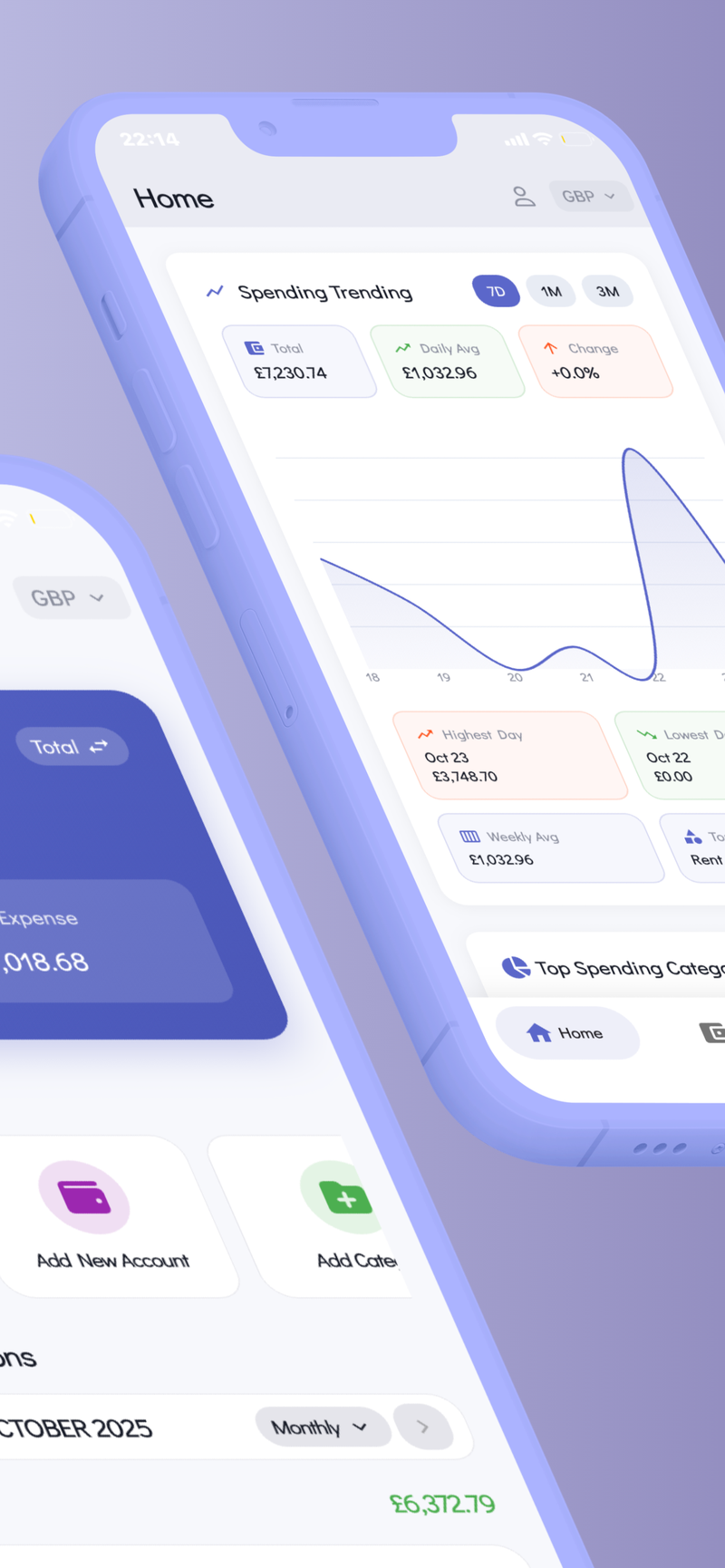
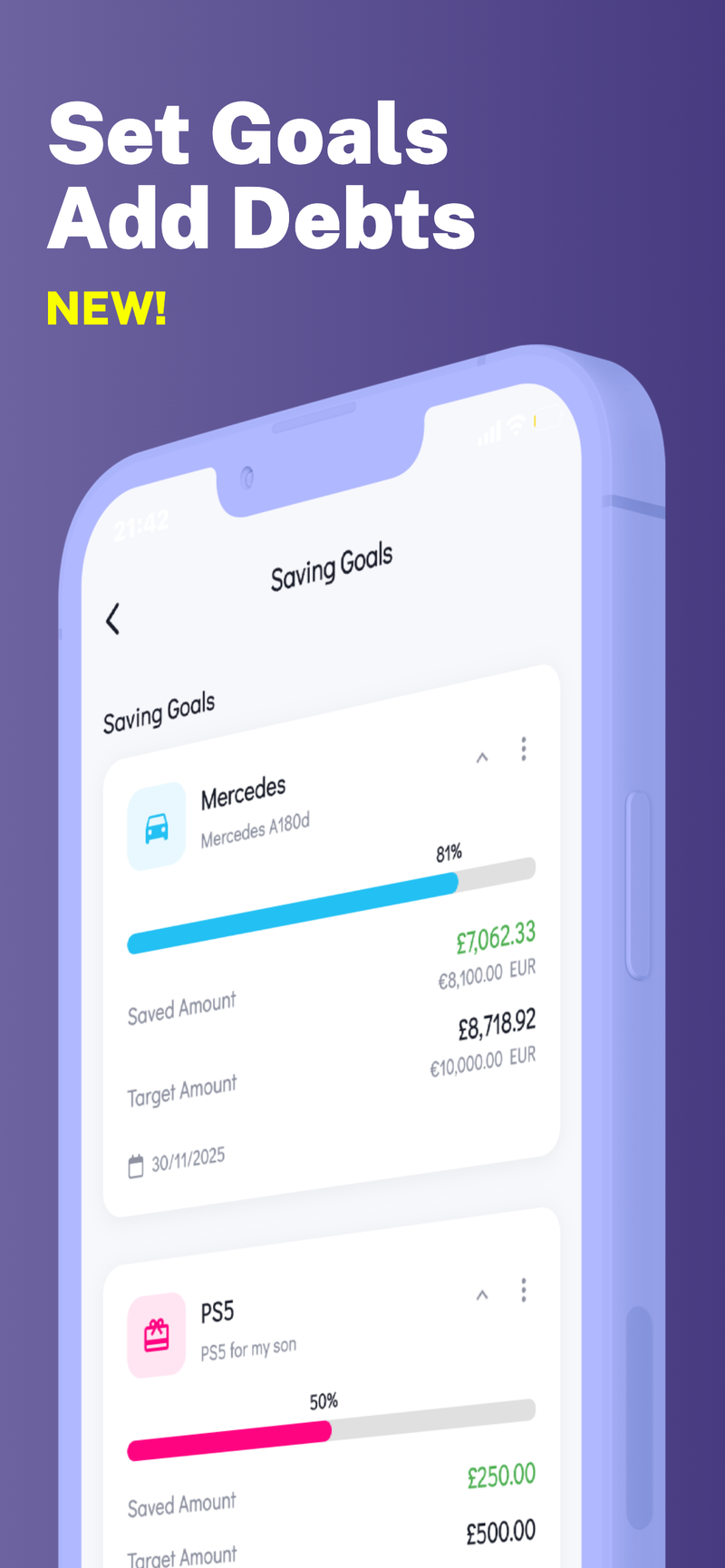
If you’re looking for a tool to help you implement these ideas while keeping your data private, consider Fokus Budget. It focuses on on device data and supports multiple profiles so you can tailor budgeting for the whole family without sharing sensitive information. Fokus Budget can help with on device privacy and multi profile budgeting as you work toward a steadier grocery bill.