Introduction
Are you frustrated by a grocery bill that seems to grow even when your cart looks the same? You’re not alone. For many households, small decisions—snacks, beverages, convenience items—add up and quietly erode budgets. The good news: you can stop the drift with a simple, repeatable plan that fits real life.
Main Content
Audit first: know where money leaks
Start with a quick 15-minute pantry, fridge, and freezer scan.List what you actually use, what sits too long, and what items you keep buying out of habit.Set a realistic weekly grocery target based on your income and goals (for example, a family of four might aim for $120–$180 per week, depending on location).Track this week’s total against last week’s to establish your personal baseline.Plan meals around sales and staples
Check weekly flyers or store apps for deals on proteins, produce, and staples.Build 5 dinners around a sale item, then fill in sides with pantry staples or frozen options.Create 1–2 flexible meals to absorb price swings (e.g., a pasta dish that works with whichever veggies are cheapest).Example: chicken thighs on sale for $2.99/lb instead of $5.99; plan two meals with thighs and freeze leftovers.Create a precise shopping list by category
Produce, Dairy, Grains, Proteins, Frozen, and Pantry must-haves.Write quantities as total items or servings to prevent overbuying.Stick to the list. If you remember something extra, write it down and decide after the next meal plan.Bring the list and leave extra room for real-time decisions only if they save you money later.Master unit pricing and store brands
Always compare price per unit (per ounce, per pound, per liter).Store brands often run 10–30% cheaper with similar quality for many basics.If a name-brand item is on sale for a tiny premium, consider buying it this time; otherwise, opt for the cheaper equivalent.Curb impulse buys with two simple rules
Never shop hungry: eat beforehand, even a small snack helps.Implement a 24-hour rule for non-list items: if you still want it tomorrow, buy it then.Use a fixed “snack” budget or a small shelf of planned treats so impulse buys don’t derail the week.Shop efficiently: one solid weekly trip
Choose a consistent shopping day and time to reduce spur-of-the-moment trips.Shop once per week when possible; every additional trip tends to add small, unnecessary purchases.Use seasonal produce and bulk items wisely—bulk can save money, but only for items you’ll consume before expiring.Track spending and adjust
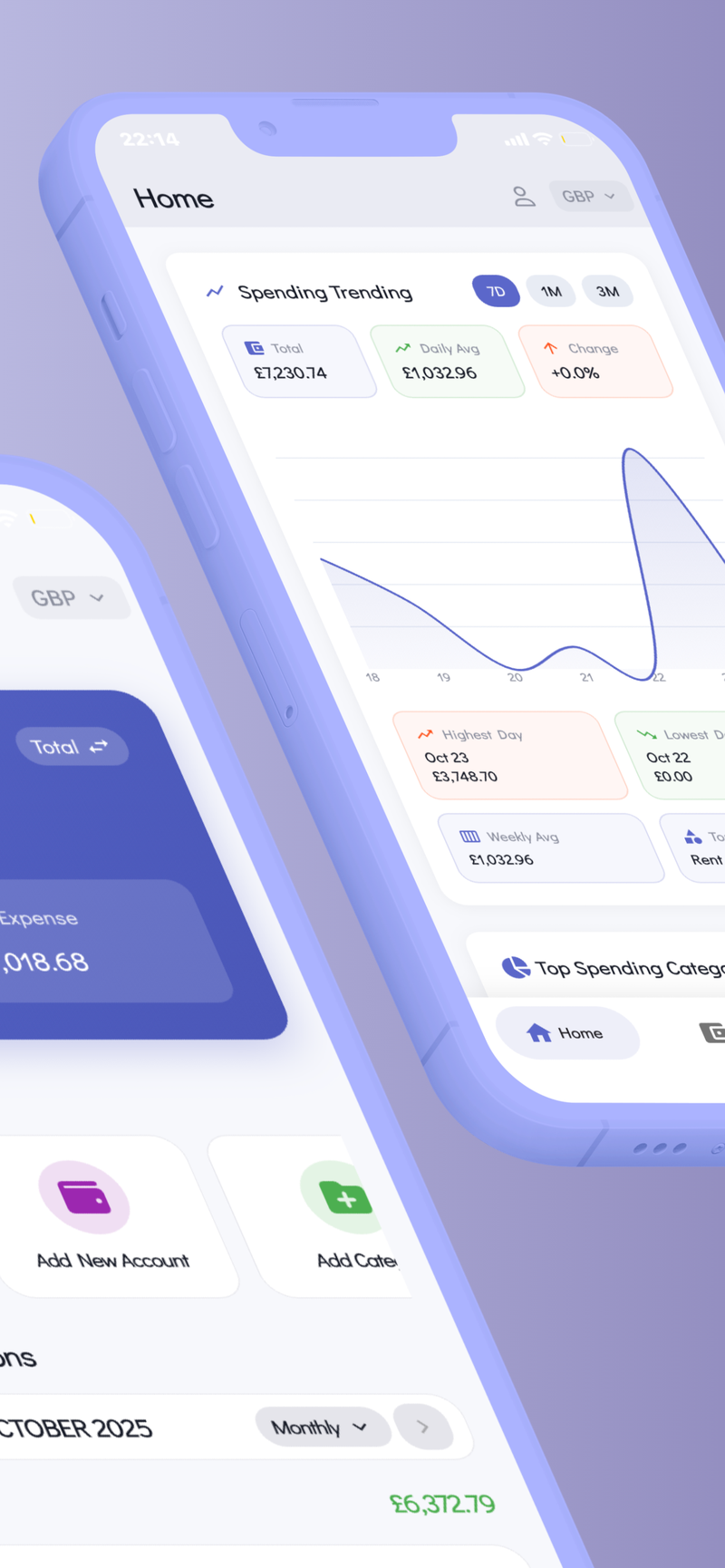
Keep a simple ledger: category totals (Produce, Dairy, Pantry) and weekly overall.At month’s end, compare to your target and identify the biggest gaps.Use that insight to adjust meal plans, quantities, or shopping days for the next cycle.Seasonal savings and loyalty programs (with caution)
Seasonal produce is often 20–50% cheaper than out-of-season items; plan meals around what’s fresh now.Loyalty programs can yield coupons and discounts, but avoid stockpiling items you won’t use.Quick-start 7-day starter plan
Day 1: Audit pantry and set a weekly target.Day 2–3: Check sales, plan 5 dinners, create a precise list.Day 4: Compare unit prices, select store brands where appropriate.Day 5: Prepare a hunger-free shopping list; place any non-list items on a 24-hour hold.Day 6–7: Shop, track, and reflect on what led to savings or overspend.Conclusion
A practical grocery plan combines awareness, discipline, and flexibility. Start with a quick pantry audit, plan meals around current deals, and lock in a lean, precise shopping list. Use unit pricing to choose wisely, curb impulse buys, and track your results to keep improving over time.
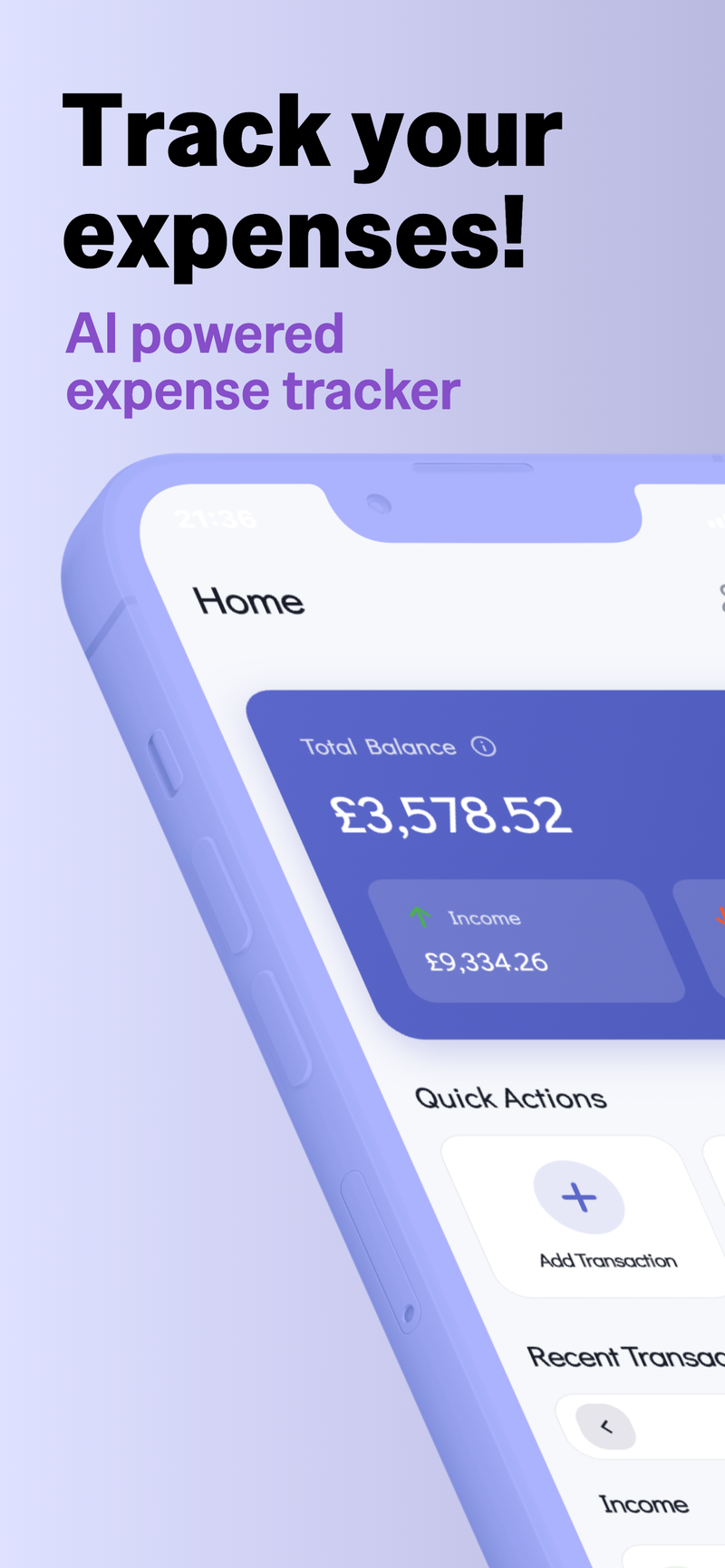
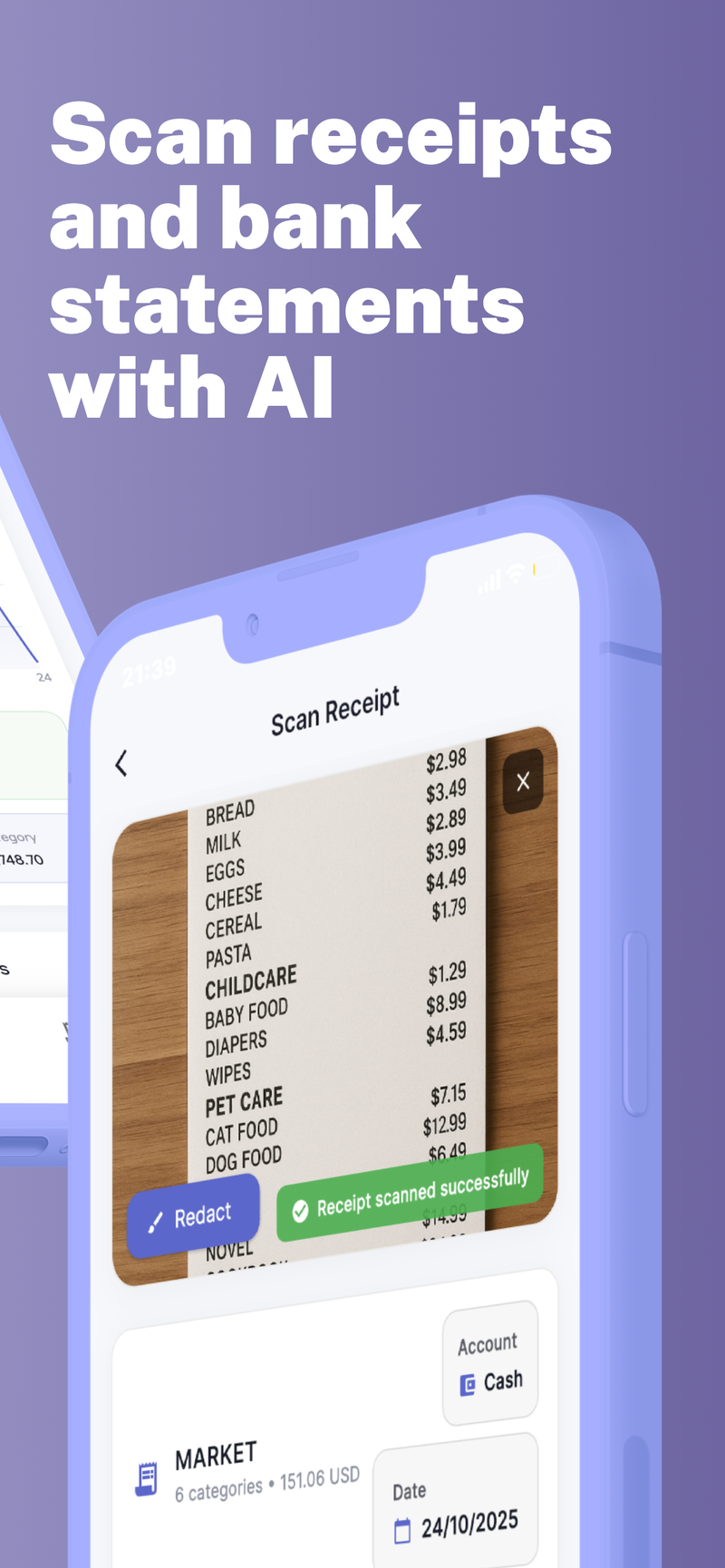
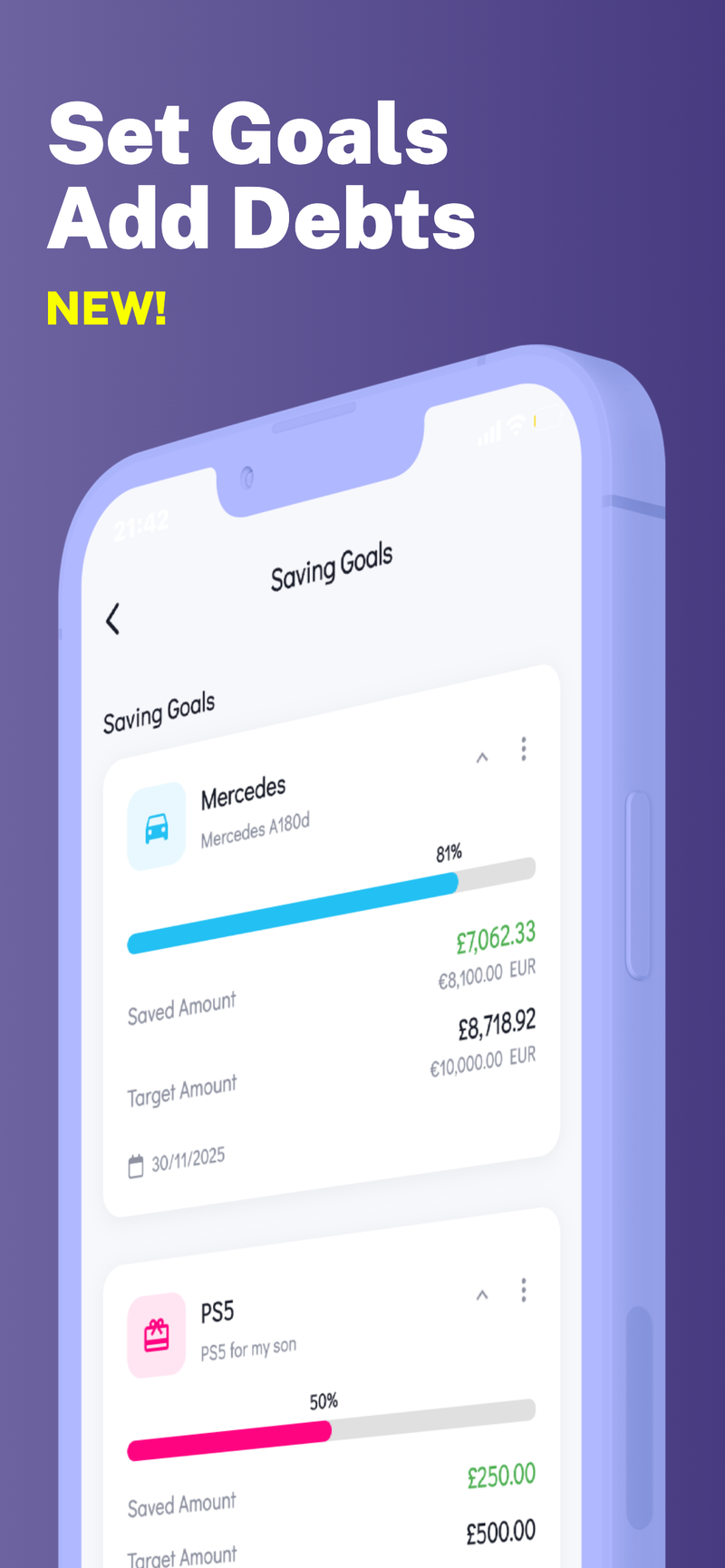
If you want a simple framework to manage multiple budgets—whether for yourself, your family, or a small household—consider tools designed for privacy and clear tracking. Fokus Budget offers features that help you keep multiple budgets aligned without sharing your data. Specifically, its Multi-Profile Support can be a helpful way to separate different spending goals within one secure setup.
"Note: This article is for informative purposes only and is not affiliated with or endorsing any particular product."