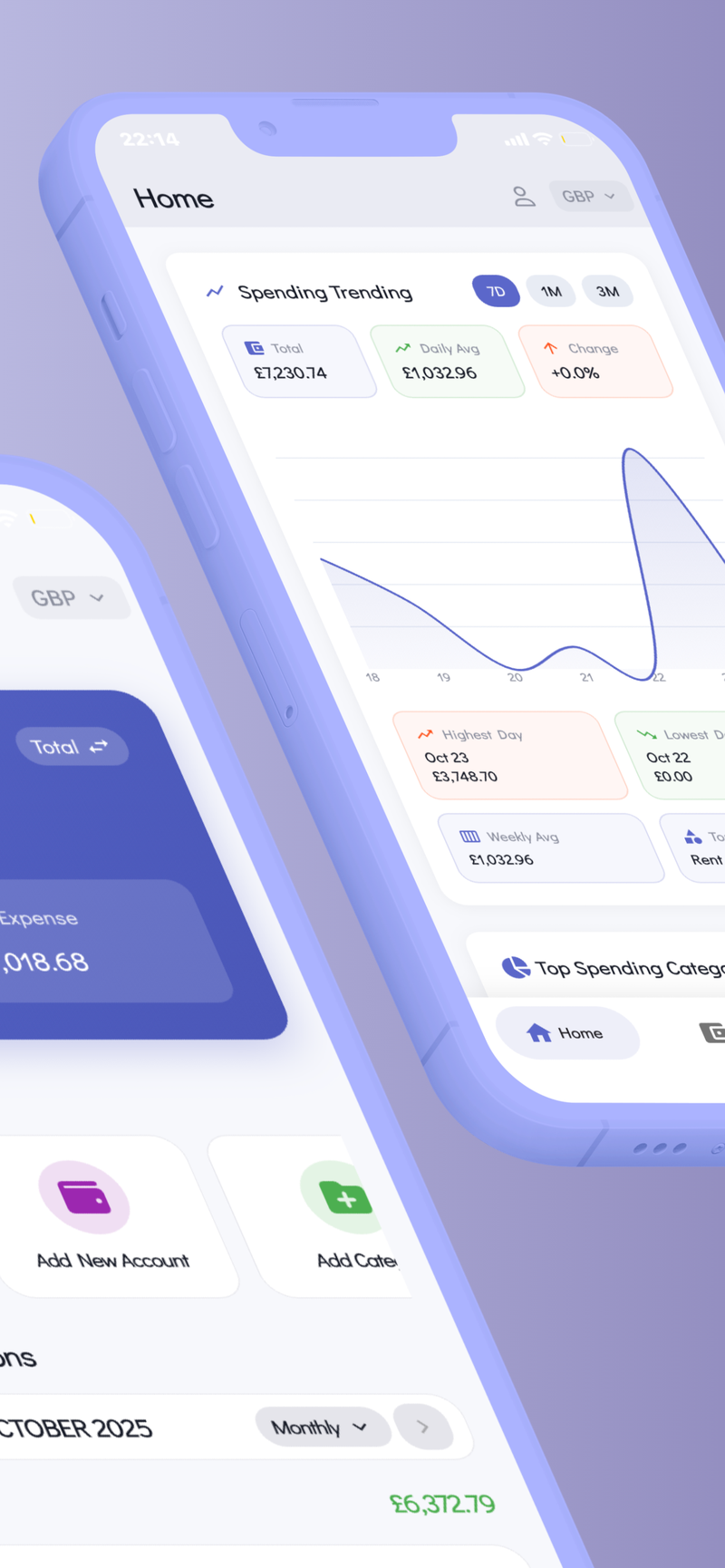
The 5-Step Plan to Trim Monthly Household Expenses
A practical, non-salesy guide to cutting monthly household expenses through a 5-step plan: audit, budget framework, recurring costs, variable spending, and accountability. Practical tips and real-world examples to start saving this month.
You feel your paycheck disappears before the month ends. Bills, subscriptions, groceries, and surprise costs slip in and out of your wallet. If this sounds familiar, you are not alone. The good news is that trimming monthly expenses doesn't require drastic sacrifices or hero-level discipline. A simple 5 step plan can help you take control and still live well.
The 5-Step Plan to Trim Monthly Expenses
Step 1: Do a real expense audit
Pull your bank and card statements for the last 3 months and categorize items into needs and wants.
List recurring charges like subscriptions, memberships, and services. Highlight the ones you rarely or never use.
Create a quick snapshot of average monthly spend by category: housing, food, transport, utilities, entertainment.
Tip: spend 15 minutes this week to tag each expense and note why it was incurred.
Step 2: Choose a practical budget framework
Options include 50/30/20, 60/20/20, or a zero-based budget where every dollar has a job.
Example for a take-home pay of 4,500: needs 2,000, wants 1,700, savings 800 under a 60/20/20 plan.
Action steps: pick a framework, fill in real numbers, and adjust monthly based on actuals.
If income varies, consider a rule like 50/30/20 for stable months and adjust only large categories for lean months.
Step 3: Cut recurring costs
Start with a 30 minute subscription audit: list every ongoing charge, then cancel or downgrade the ones you rarely use.
Negotiate: call providers, ask for your current rate, and mention promotions you see online. You may be surprised by a cheaper plan.
Downgrade or switch when possible: streaming bundles, cell plans, or gym memberships.
Track retention: keep essential services, drop the rest, and revisit every 90 days.
Step 4: Trim variable spending
Groceries: make a meal plan, shop with a precise list, compare unit prices, buy staples in bulk when feasible, and cook at home more often.
Energy: adjust the thermostat a degree or two, swap to LED bulbs, and run appliances during off-peak hours when possible.
Transportation: combine trips, carpool, and use public transit when practical to cut fuel and maintenance costs.
Dining out and entertainment: set a weekly allowance, look for free community events, and reserve indulgences for special occasions.
A small shift here can add up: cutting dining out from twice a week to once can save hundreds per month.
Step 5: Build in accountability and automation
Set clear monthly targets and check in weekly to adjust plans.
Use a simple tracker, whether a notebook, a spreadsheet, or a budgeting app, to log every category.
Automate what you can: automatic transfers to savings, automatic bill payments to avoid late fees, and auto-renewals only for essentials.
Consider cash envelopes for the tightest categories if you prefer physical budgeting.
Conclusion
If you combine a careful audit with a practical budgeting framework, disciplined cost cuts, smarter variable spending, and regular accountability, you can trim a meaningful portion of your monthly expenses without sacrificing important comforts. Start with one step this week, then add another next month. If you want a privacy focused way to keep track of multiple budgets and stay on top of the numbers, there are tools designed to keep data on your device and support multiple profiles. Fokus Budget can help with this.