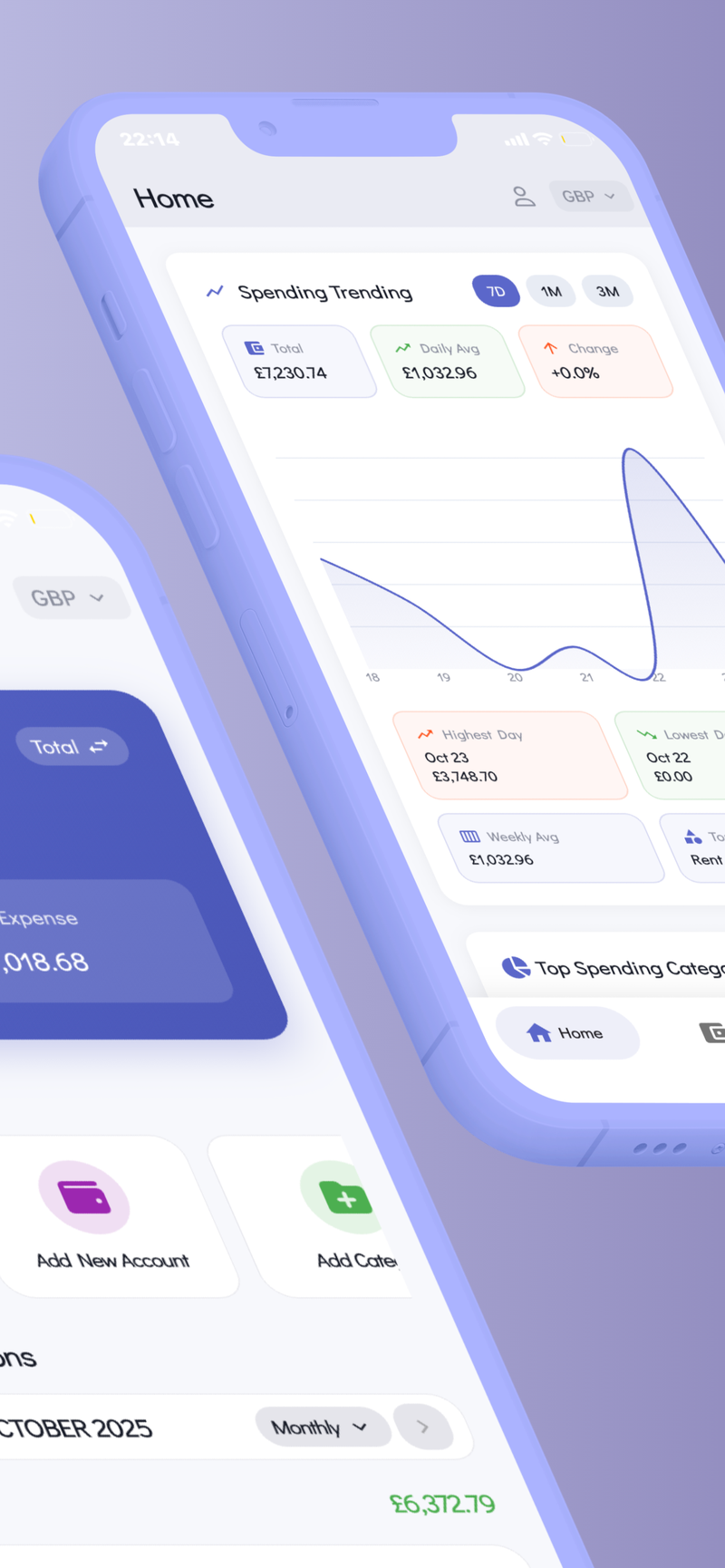
The 7-Step Plan to Cut Household Spending for Families
Are rising prices squeezing your family budget? You’re not alone. Inflation has touched everyday essentials—from groceries to utilities—making every month feel tighter. The good news: you can reduce spending in a structured, sustainable way without sacrificing what matters most. A clear plan, small daily habits, and a regular check-in can add up to meaningful savings over time.
Here is a practical 7-step plan you can start this month. It combines simple tracking, smart choices, and a rhythm that keeps you accountable.
Step 1: Track every dollar
Start with one simple tracker for 30 days: list income, fixed expenses (rent/mortgage, utilities, debt payments), and variable spends (groceries, entertainment).Categorize each expense as needs vs. wants. If it doesn’t serve a basic need or a long-term goal, question it.Use receipts or a quick note after every purchase to avoid “memory gaps” at month-end.Review weekly to spot patterns (which category grows fastest, where you tend to overspend on impulse).Why it matters: small leaks become big leaks over time. The goal is awareness, not punishment. Acknowledging where money goes is the first step to reclaiming control.
Step 2: Build a realistic family budget
Gather input from all adults in the household. Agree on non-negotiables (rent, utilities, groceries) and discretionary targets (eating out, streaming services).Use a baseline like 50/30/20, or tailor to your situation: needs 60%, wants 20%, savings/debt 20% (adjust as needed).Set specific, measurable targets for each category (e.g., groceries under $600/month, fuel under $150).Build a small emergency buffer so you don’t derail the plan when an unexpected cost arises.Tip: an honest budget is flexible. Revisit it monthly and shift funds between categories if you’re consistently underspending or overspending in a given area.
Step 3: Cut housing costs where you can
If you rent, consider a modest move to reduce rent or negotiate for included utilities or improvements that lower monthly bills.If you own, explore refinancing options or a shorter-term loan to reduce interest and total payments. Even small rate cuts add up over time.Improve home efficiency: programmable thermostats, LED lighting, sealing drafts, and weatherstripping can cut energy bills by 5–15% or more.Right-size your space: if the kids are older and bedrooms aren’t fully used, re-arrange or consolidate rooms to save on heating, cooling, and maintenance.Small changes in housing can significantly affect monthly expenses, but balance comfort and value. Prioritize fixes with the fastest payback.
Step 4: Grocery and meal planning smarter
Plan weekly meals around sale items and seasonal produce. Create a simple meal map to avoid last-minute takeout.Buy generic/store-brand products for staples (cereal, dairy, canned goods). The savings can be substantial over a month.Use a shopping list and stick to it. Reserve one small indulgence per trip to prevent impulse buys.Batch cook and portion meals for the week. Leftovers become quick lunches, reducing restaurant spending.Compare unit prices (per ounce or per meal) rather than relying solely on sticker price.Aim to reduce grocery bills by 10–20% without sacrificing nutrition or variety. Small, planned purchases beat large, unplanned splurges every time.
Step 5: Transportation that saves
Audit your usual routes. Combine trips, and choose the most fuel-efficient option for the day.Carpool, public transit, biking, or walking where feasible. Even a few days a week can trim fuel and maintenance costs.Maintain your vehicle regularly to prevent costly repairs. Simple things like proper tire pressure and oil changes matter.Plan big purchases to minimize trips and maximize savings, such as shopping for car maintenance during off-peak cycles).Transportation often ranks as a major monthly expense. A few disciplined changes can lower bills significantly while preserving reliability.
Step 6: Tackle debt and interest strategically
List all debts, interest rates, and monthly payments. Focus on the highest-interest debt first (avalanche) or the smallest balance to build momentum (snowball)—choose what keeps you motivated.Consider refinancing or consolidating high-interest loans if it reduces total interest and simplifies payments.Avoid new high-interest borrowings. If you must borrow, look for lower-rate options and shorter terms.Create a debt-paydown calendar with a realistic payoff date and celebrate milestones to stay motivated.Reducing debt not only lowers monthly obligations but also frees up future cash for savings and essentials.
Step 7: Monthly reviews and ongoing adjustments
Set a regular check-in date (the same day each month). Compare actual spending to the budget, celebrate wins, and identify variances.Adjust categories based on seasonality (holidays, back-to-school, vacations) so the plan stays realistic.Track progress toward goals (emergency fund size, debt payoff, short-term savings for goals).Involve every adult in the review to keep motivation high and accountability strong.A budgeting rhythm is a habit you can sustain. The goal is steady progress, not perfection.
Data-backed perspective
Many households see housing, transportation, and food as the biggest expense shares. For example, housing typically accounts for roughly a third of expenditures, with groceries and transport representing substantial portions too. Keeping these areas disciplined—and adaptable—usually yields meaningful savings over several months.
Conclusion
Cutting household spending for a family isn’t about harsh restrictions; it’s about smarter choices, consistent tracking, and regular reflection. Start with quick wins—tracking, a simple budget, and meal planning—and build from there. Over time, you’ll gain clearer visibility, less f