
Track Cravings to Stop Nicotine More Effectively Today
Cravings hit unexpectedly, but tracking them changes the game. Learn how to log when cravings occur, identify triggers, and respond with practical strategies that support a durable quit. A structured approach turns data into a clearer path forward.
Introduction
Cravings for nicotine arrive like sudden waves—intense, sometimes predictable, sometimes sneaky. If you’ve tried to quit before, you know the urge can pop up after a meal, during a stressful moment, or just when you notice someone else lighting up. Tracking cravings isn’t about policing yourself; it’s about turning guesswork into data you can use to stay on track.
By learning when cravings hit, why they show up, and what actually helps you ride them out, you gain a practical map for your quit journey. This article shares real, actionable methods to track cravings and translate those insights into smarter decisions.
Main Content
Understand why tracking cravings matters
Create a craving tracking habit that sticks
1) Pick your log format: a simple notebook, a notes app, or a small, quick diary.
2) Decide what to record: time, intensity on a 0–10 scale, trigger category, location, activity, mood, and the action you took.
3) Set a simple cue to log: after each urge or on a fixed interval (for example, hourly).
4) Keep entries brief: one or two sentences are enough to capture the moment.
Example entry:
Detect patterns and classify triggers
Think in categories to spot patterns quickly:
Weekly reviews help you connect the dots. If you notice many high-intensity cravings around a 10-minute drive home, you can prepare a portable coping kit or alter that part of your routine.
Practical craving response strategies by intensity
Use a simple intensity scale 0–10 to tailor your response:
Another helpful technique is urge surfing: observe the urge as a wave, notice how it rises and falls, and let it pass without giving in.
Turn data into a plan you can sustain
Common pitfalls and how to avoid
Conclusion
Craving tracking turns a fuzzy challenge into a clear plan. By logging when cravings occur, how strong they feel, and what helps you respond, you build a store of personal insights that guide your quit journey. The goal isn’t to eliminate all cravings overnight, but to shrink their power over time by knowing what triggers them and what actually helps you move through them.
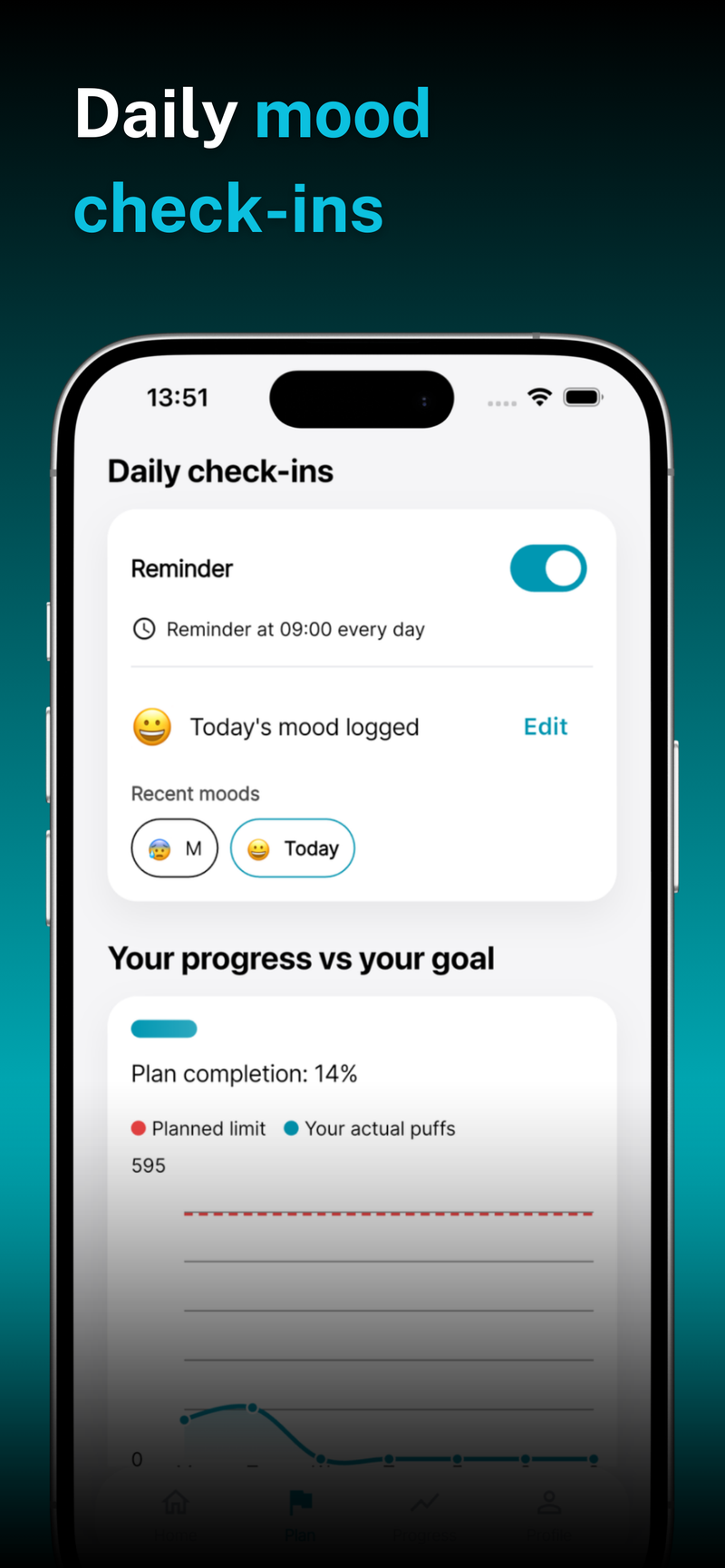
If you’re seeking a structured way to apply craving-tracking insights, consider tools that guide you through onboarding and a personalized setup. A tailored plan can help you choose your product type, define your main goal, pick a target timeline, and keep craving data organized as you progress.
Promising strategies, when paired with a clear setup, can make the difference between another relapse and a lasting change. Quit Smoking & Vaping can help with this by providing onboarding and personal setup to tailor your quit plan and keep craving data organized, empowering you to stay on track with confidence.



💪 Onboarding & Personal Setup