
Track Every Dollar and Cut Unnecessary Spending Effectively
Feeling like money disappears between paychecks? This practical guide shows how to track every dollar, identify waste, and cut nonessential spending with habits that last. Learn actionable steps, quick wins, and family-friendly tactics to reclaim control of your budget.
Introduction
Money often slips away in the margins: the daily coffee on the way to work, a spontaneous online impulse, or a little subscription you forgot about. When your bank statements arrive, the gaps between intention and action can feel demoralizing. The good news is you can reclaim control with a simple, repeatable process that fits real life—not a perfect world. In this guide, you’ll get practical steps, realistic benchmarks, and family-friendly tactics to track every dollar and cut spending that doesn’t serve your goals.
Track Every Dollar: A Practical Framework
Use a steady framework rather than chasing quick fixes. The core idea is simple: capture what comes in, categorize what goes out, and review what you can adjust without sacrificing essentials.
Step 1 — Define your baseline
Start with clarity about income, fixed costs, and discretionary spending.
Example: A family with a after-tax income of about $5,000 may have fixed costs of $3,200, discretionary expenses around $1,000, and aim to save $300 monthly. Real numbers vary, but the process is the same: know the numbers you’re working with.
Step 2 — Choose a single tracking method and stay consistent
Consistency matters more than the method you choose. Options include:
Whichever you pick, log every dollar for at least 30 days to see where it actually goes. Schedule a 15-minute daily check, and a 30-minute weekly reconciliation.
Step 3 — Audit recurring costs and impulse spends
The easiest wins come from two places:
Quick wins:
Step 4 — Budget with a clear framework that fits your life
Choose a budgeting method you can live with:
Key actions:
Step 5 — Build habits that compound over time
Small habits beat grand plans:
Step 6 — Involve the family and align goals
Make budgeting a family project:
Step 7 — Monthly review: measure, reflect, adjust
Set a fixed day each month to review:
Quick wins you can implement this week
Data-backed realism
Tracking reveals the hidden levers. For example, trimming dining-out from three meals per week to one can save roughly $120–$180 per month for many families, depending on local prices and choices. Subscriptions—even when small—collectively drain monthly budgets: canceling a few low-usage services can free up $20–$60 monthly. The math compounds when you apply the discipline consistently over several months, turning “missing money” into measurable progress.
The right mindset and privacy-conscious tools
The best framework respects your time and your privacy. Look for methods that emphasize local tracking, simple exports, and clear ownership of data. You don’t need to share everything with a cloud service to get solid results; a straightforward ledger or spreadsheet can be enough to drive big changes while staying in control.
Conclusion
If you want to truly track every dollar and cut spending that doesn’t serve your goals, start with a simple baseline, pick a consistent tracking method, and build 1–2 sustainable habits at a time. Regular, honest reviews keep you moving forward and prevent small leaks from turning into big gaps in your budget. When you combine discipline with a privacy-conscious approach, you create a budget that fits real life, not just ideal scenarios.
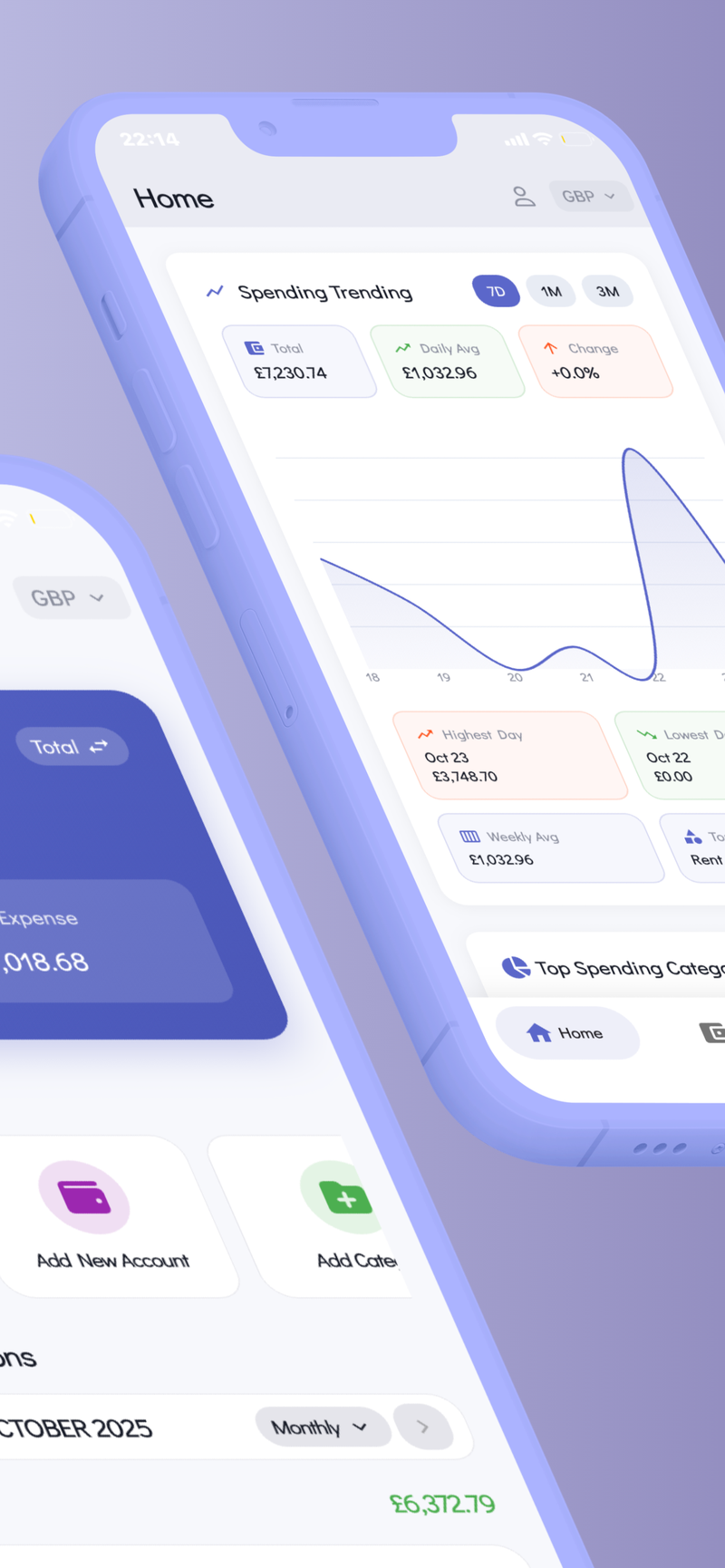
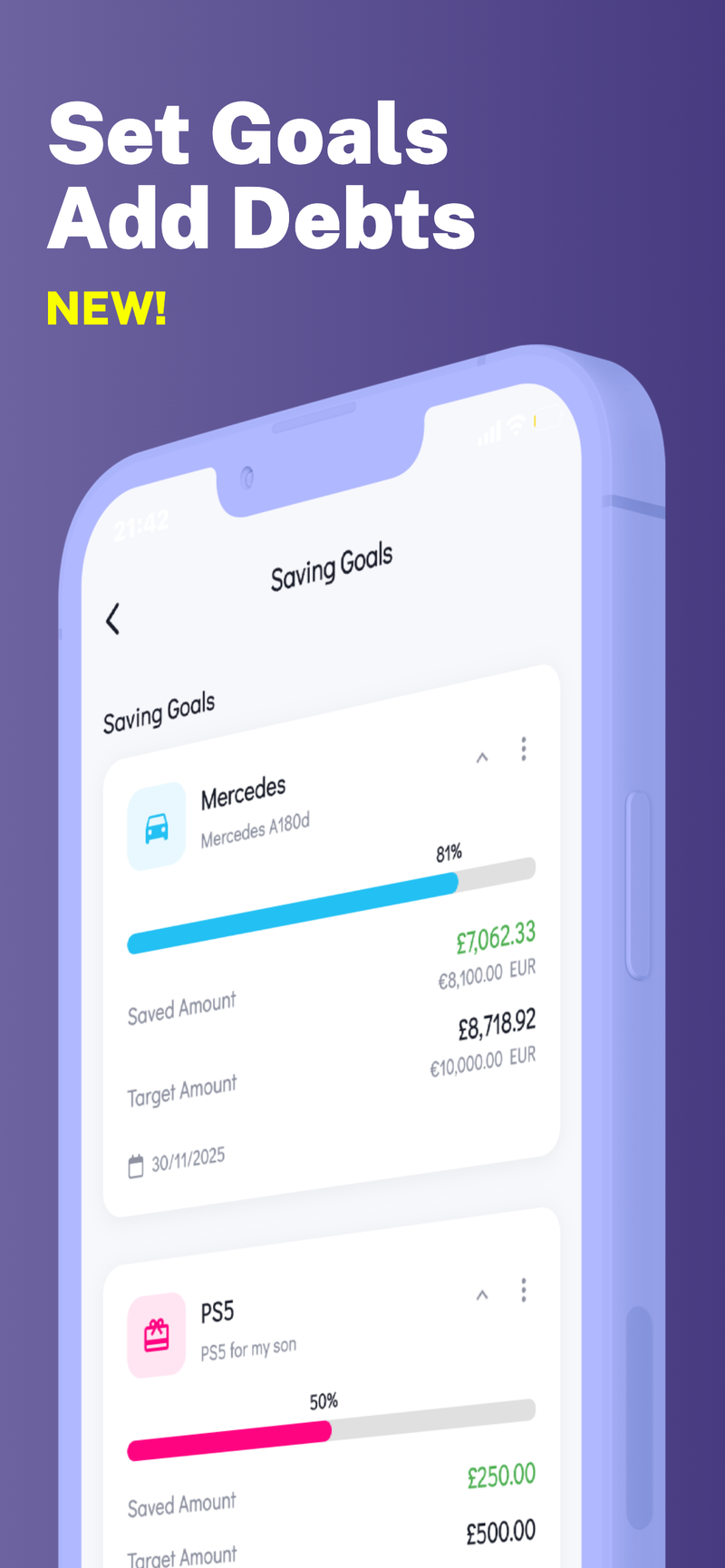
If you’re looking for a privacy-focused way to track multiple budgets across family members—without sacrificing data control—Fokus Budget can help. It offers features like Multi-Profile Support and on-device data handling, so your financial information stays secure while you gain clarity and control. Fokus AI, your Personal Finance Manager, is designed to support these very practices, making it easier to apply what you’ve learned and stay on track.



✨ Multi-Profile Support