Introduction
One unexpected expense can derail an otherwise solid budget. Think about the last time a car repair, medical co-pay, or holiday gift popped up out of nowhere. If irregular costs feel like a rollercoaster you can’t control, you’re not alone. The good news is you can tame this by following a simple, repeatable approach that doesn’t require perfection—just a simple routine you can stick to.
Below is a practical six-step method you can start this month to forecast, fund, and review irregular expenses so your family stays on track even when life throws curveballs.
6 Simple Steps to Track Irregular Expenses
Step 1 — Identify and categorize irregular expenses
List all costs that don’t occur monthly or have variable timing: car maintenance, medical co-pays, home repairs, gifts, holidays, school fees, seasonal activities, pet care, and annual subscriptions.Note frequency and typical range for each category (e.g., car service every 6–12 months, gifts around holidays).Create a simple table or list you can reference each month. This clarity makes it easier to forecast rather than react.Tip: start with the last 12 months of receipts and statements to capture a realistic baseline.Step 2 — Gather data and build a rolling forecast
Compile expenses from the past 12 months for each irregular category.For each category, calculate an average monthly amount (annual total divided by 12).Build a rolling forecast: what you expect in the coming 12 months, not just the next one. This helps you see seasonal spikes (e.g., back-to-school, holidays).Context: many households underestimate irregular costs. The Federal Reserve notes that about 40% of adults would struggle to cover a $400 emergency, underscoring why forecasting matters.Action: transfer this data into a simple chart or table you can update quarterly.Step 3 — Convert the forecast into monthly targets
For each category, take the annual estimate and divide by 12 to get a monthly target.Example: if you expect $1,200 for car maintenance next year and $600 for gifts, your monthly targets are $100 and $50 respectively.Use a single “Irregulars” subtotal in your budget so you can see progress at a glance.If a category is highly seasonal (e.g., gifts around December), adjust monthly targets to align with peak months while keeping an annual total in check.Step 4 — Create a dedicated fund (sinking fund) or label in your budget
A sinking fund is a separate way to earmark money for irregular costs, reducing the need to dip into regular savings.Options:Open a separate savings account or sub-wallet for irregular expenses.Use a clearly labeled envelope or an offset line in your budget that signals, “Irregulars fund.”Automate small transfers: set up automatic transfers or weekly contributions equal to your monthly targets.Practical tip: even if you can’t fully separate funds, keep a visible balance indicator so you know how much is available for irregular costs.Step 5 — Plan with reminders and smart automation
Schedule quarterly reviews to confirm estimates, adjust for changes in income or lifestyle, and reallocate as needed.Set calendar reminders for known spikes (e.g., service intervals, school payments, holidays).Use simple rules to adapt: if a category regularly lands below target, reallocate the leftover to another irregular category with a higher upcoming need.Consider a “buffer month” where you intentionally set aside a bit more to cushion future spikes.Step 6 — Review, adjust, and prepare for surprises
Monthly check-in: compare actual irregular costs to your forecast and adjust the next 12 months accordingly.Run quick what-if scenarios: what if repairs cost 25% more than expected? What if a gift need is last-minute and expensive?Build resilience: gradually increase your overall irregular expense fund by 1–2% of income each quarter if possible.Resource note: forecasting is imperfect, but a disciplined review cycle reduces the chance of a stressful month when costs rise.Practical tips and real-world strategies
Start small: even saving $25–$50 a month toward irregular costs makes a difference over a year.Keep receipts for all irregular items and categorize them as they occur to improve accuracy for next year.Use a simple scoring method: give each category a confidence level (low/medium/high) based on how predictable the cost is; adjust your plan accordingly.Leverage seasonal trends: bunch discretionary irregulars (like home maintenance) into spring and fall when you’re already planning home projects.If you have debt, prioritize funding irregular costs that could force you to incur new debt when they occur.Conclusion
Forecasting and funding irregular family costs is less about flawless predictions and more about establishing a repeatable pattern you can trust. By identifying categories, building a rolling forecast, converting estimates into monthly targets, creating a dedicated fund, planning with reminders, and reviewing regularly, you’ll reduce surprise costs and protect your budget’s stability.
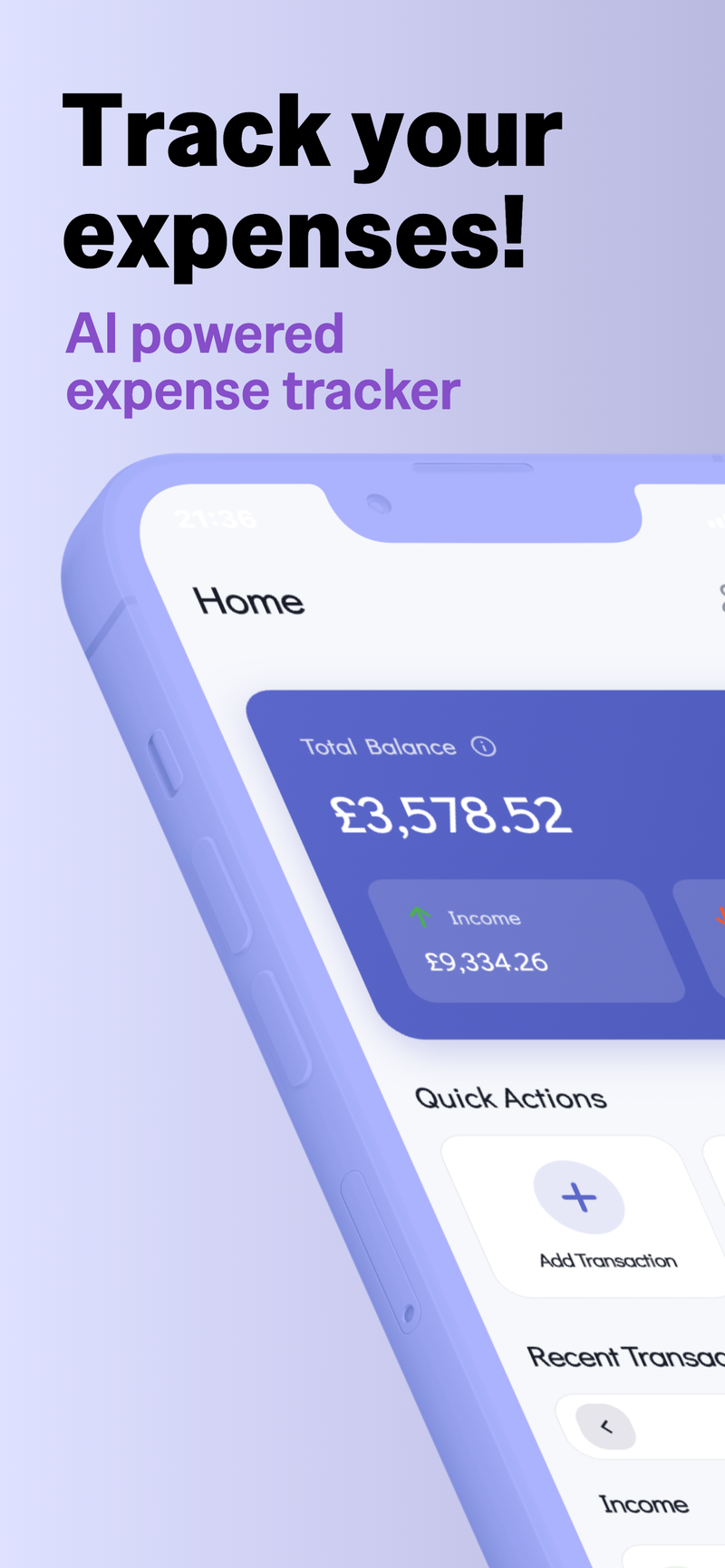
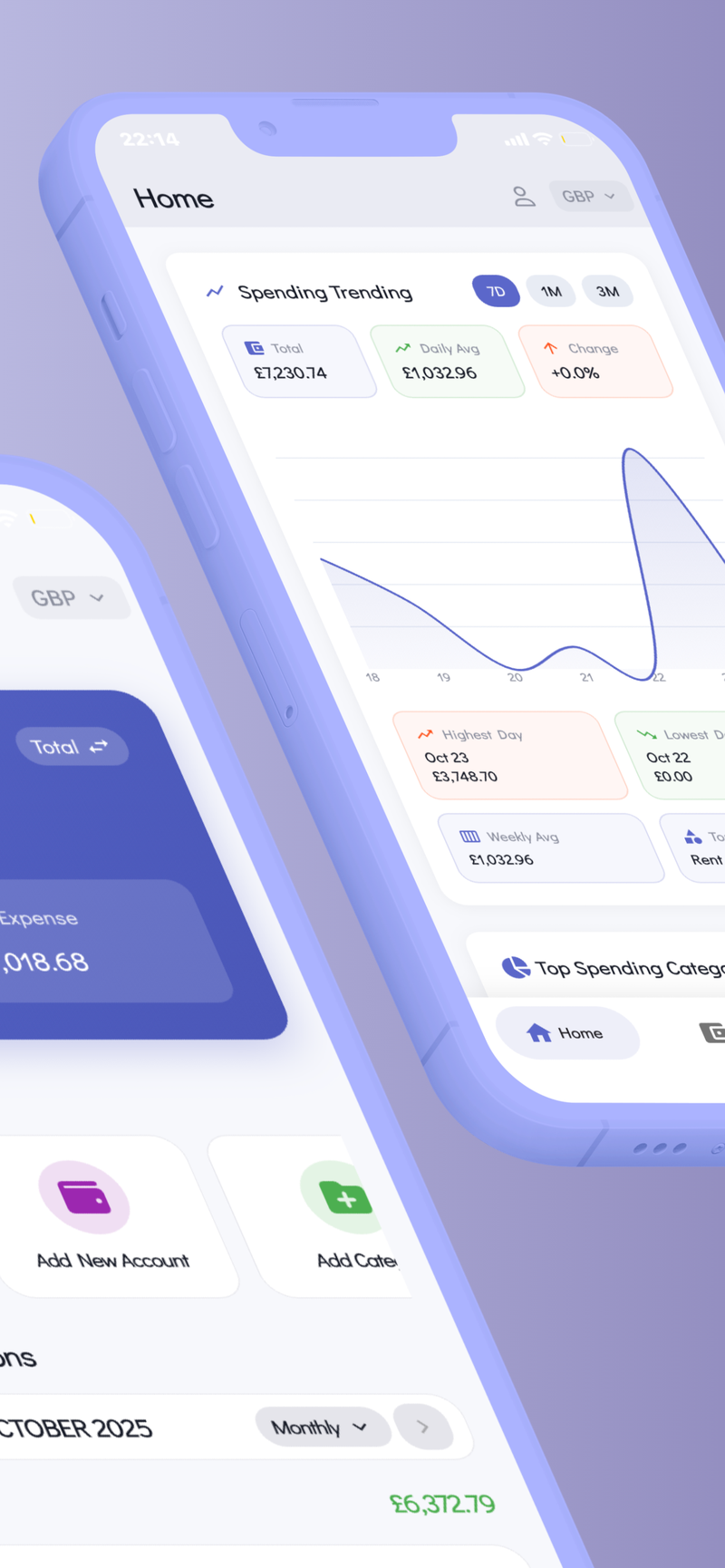
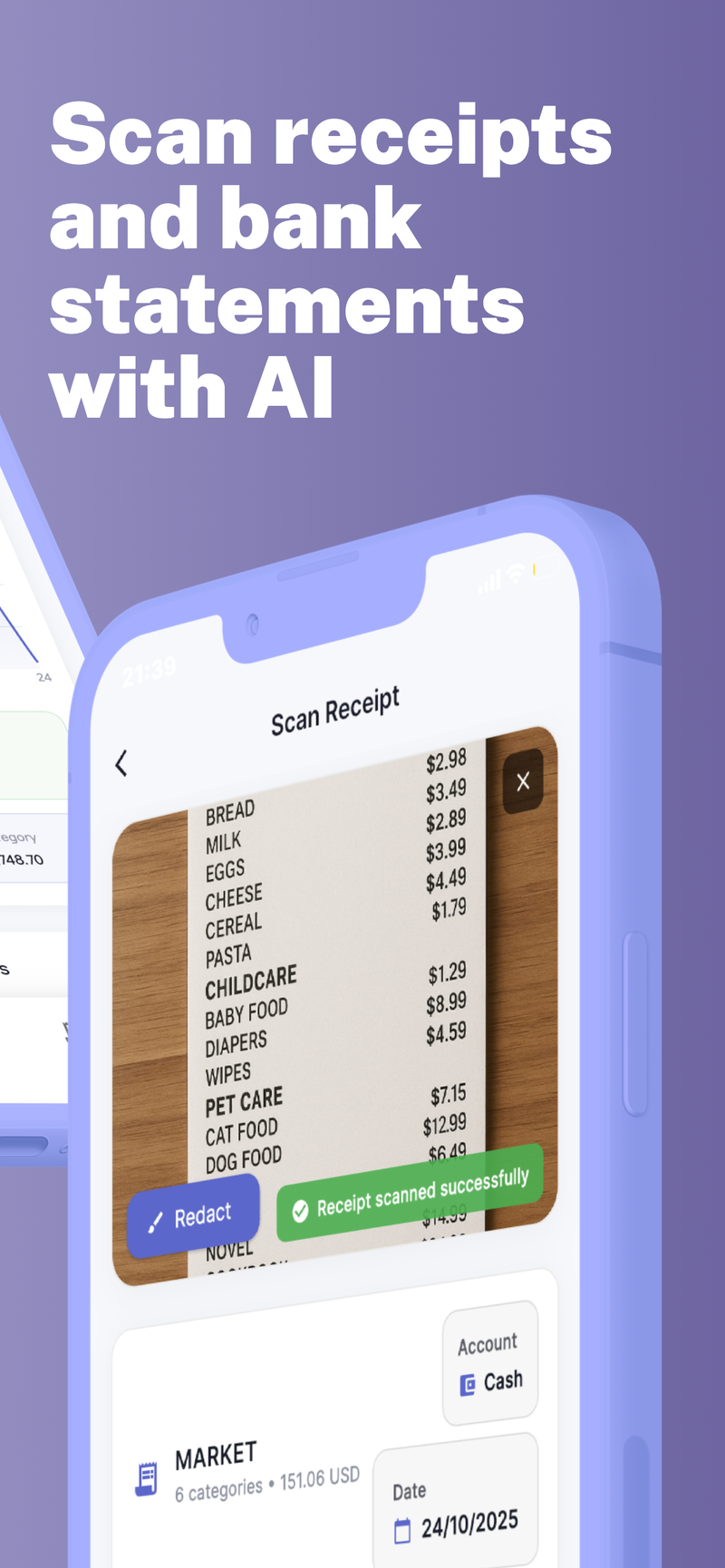
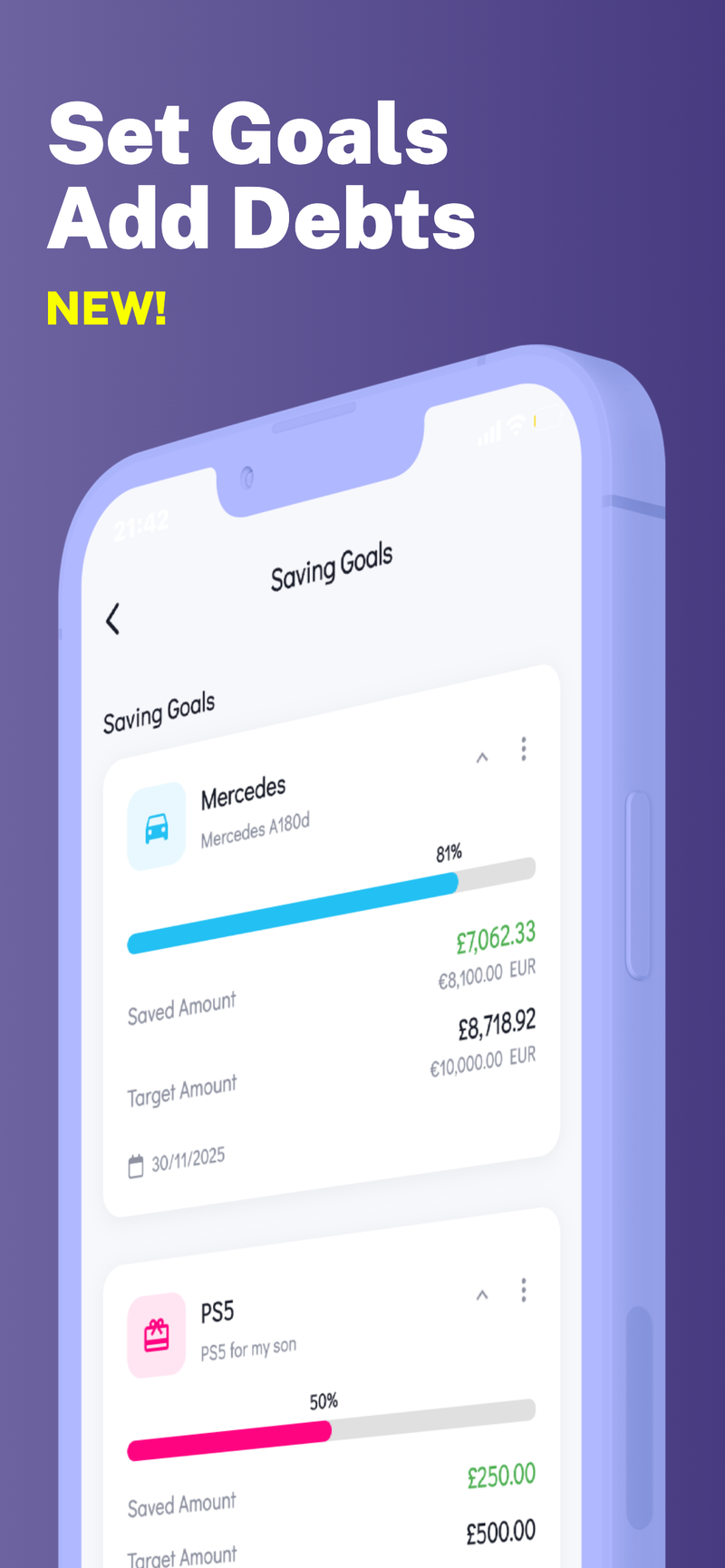
If you’re looking for a private, on-device way to manage these insights across multiple family profiles and currencies, Fokus Budget can help. It focuses on privacy and ease of use, letting you track several profiles without syncing to the cloud while keeping your data secure on your device. This can be especially useful for households juggling personal, family, and shared expenses in different currencies or time zones.