
Traveling Smoke-Free: A Step-by-Step Quit Plan Guide
A practical, step-by-step guide to quitting smoking or vaping, with actionable strategies, trigger mapping, and a plan you can tailor today. Learn how to set a timeline, track progress, and build lasting habits.
Introduction
Are you wondering if quitting smoking or vaping is possible for you this year? Many people struggle because they try to change without a plan. Quitting is less about willpower and more about designing a path that fits your life. Think of it as planning a trip: you set a destination, build a route, and stock the essentials. This guide walks you through a practical step-by-step plan you can adapt today.
Step-by-step quit plan for a smoke-free journey
Step 1: Clarify your goal
Choose whether you want to quit completely or reduce gradually. If quitting feels overwhelming, start with a reduction target (for example, cut by one cigarette or one puff per day for a week) and move toward full cessation.
Step 2: Pick your path
Decide if your main aim is to monitor & reduce or to quit entirely. Your choice will shape how you measure progress and what supports you use.
Step 3: Set a realistic timeline
Set a target quit date or a phased timeline (e.g., 4–8 weeks). A concrete date increases accountability and helps you prepare for triggers.
Step 4: Assess your baseline
Record your current daily use and typical spend. For example, if you smoke 12 cigarettes a day and spend about $15 weekly, you’ll notice the math adds up quickly over a year. Seeing the cost can be a powerful motivator.
Step 5: Identify triggers and coping strategies
Keep a simple log for a week: where you are, what you’re feeling, and what you crave. Common triggers include coffee breaks, after meals, or stress. Counter with short walks, gum, hydration, or a few deep breaths.
Step 6: Build routines and replacements
Create a daily schedule that replaces the ritual of smoking or vaping:
Step 7: Use evidence-based supports
Consider nicotine replacement therapy (NRT) or prescription aids if appropriate. Many people experience better success when combining behavioral strategies with pharmacological help. Always consult a healthcare professional if you have health conditions or take other meds.
Step 8: Track progress and adjust
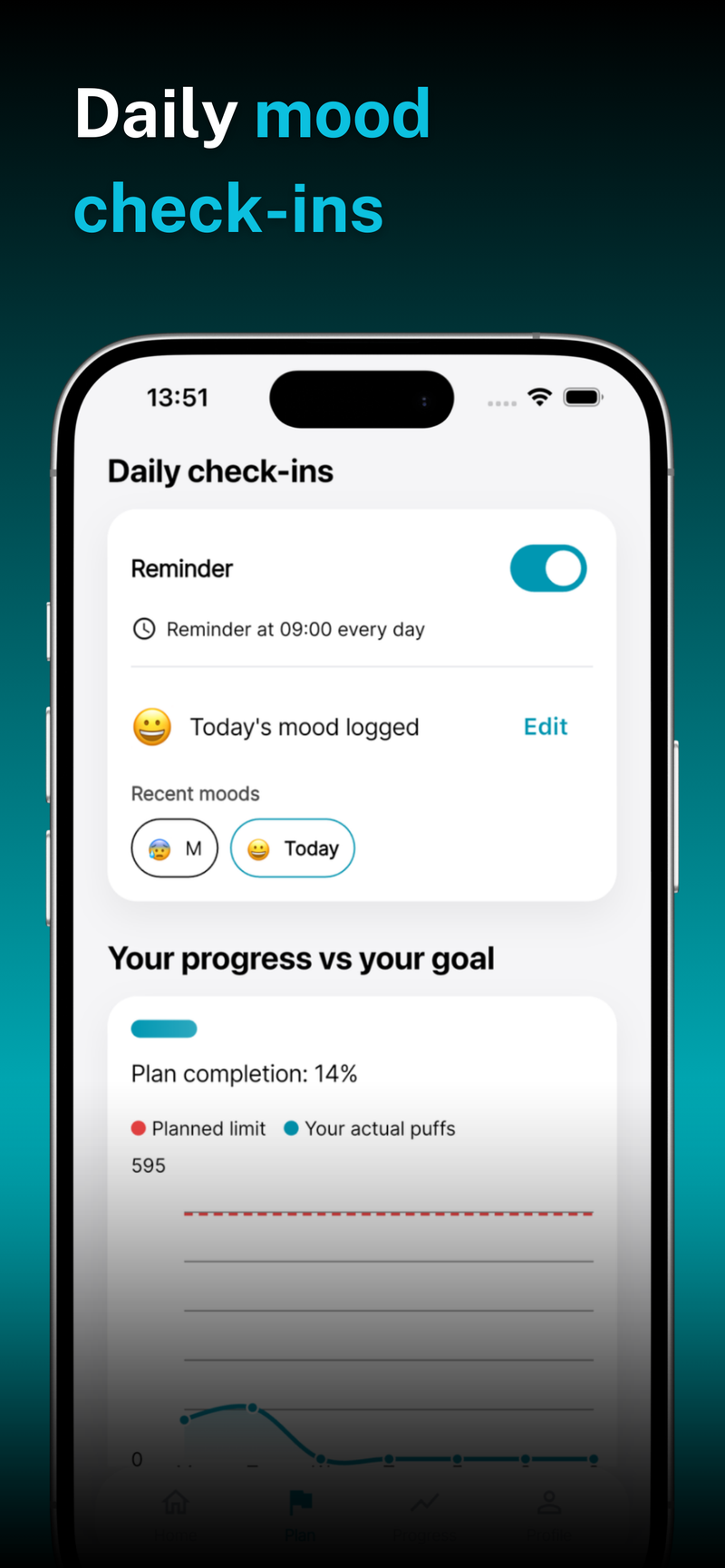
Keep a simple chart: daily check-ins, weekly totals, and milestone celebrations. Research suggests structured quit plans improve success rates compared with quitting without a plan. If you slip, analyze what happened and reset your plan rather than giving up.
Step 9: Prepare for high-risk situations
Plan for social events, drinks, or stressful days. Hydration, a short walk, or a pre-planned alternative (a snack, a fidget tool) can prevent a relapse.
Step 10: Maintenance and relapse prevention
Even after a smoke-free period, cravings can return. Schedule monthly check-ins with yourself, reward milestones, and update your plan as needed. Remember: relapse can be part of the process, not the end of it.
Practical week-by-week actions
Why this approach works
A personalized plan reduces decision fatigue and creates concrete milestones. It’s more effective to cross off small wins than to rely on sheer will. Data from quit research shows that adding structure and support to quitting markedly increases success rates compared with going cold turkey alone.
Conclusion
Quitting is a journey, not a single moment of victory. By clarifying your goal, setting a realistic timeline, mapping triggers, and building practical routines, you can move toward a smoke-free life with confidence. If you’d like a guided start, Quit Smoking & Vaping can help with onboarding and personal setup to tailor your plan around your chosen path and timeline. Focus on what works for you, and your chances of lasting change will grow.



💪 Onboarding & Personal Setup