
Trigger Mapping for Urge Control: A Step-by-Step Guide
Cravings aren’t random; they grow from triggers in your environment and routine. This step-by-step guide shows you how to map those triggers, classify them, and build concrete coping strategies to quit or reduce smoking and vaping. Learn practical, actionable techniques you can start using today.
Trigger Mapping for Urge Control: A Step-by-Step Guide
Introduction
Cravings aren’t just a test of willpower; they’re signals tied to your environment, emotions, and routines. If you’ve tried to quit or cut back before, you’ve likely noticed cravings come in waves—sometimes predictable, sometimes surprising. Trigger mapping helps you see the patterns behind those urges so you can anticipate them and choose a response that keeps you on track.
Think of it as building a map of your urges. By labeling what triggers the urge, where you are, how you feel, and how intense the urge is, you gain a tangible plan for managing it. This isn’t about perfection; it’s about awareness and practical steps you can take in real life.
What trigger mapping is and why it helps
Trigger mapping is a structured way to identify the cues that spark a desire to smoke or vape and then create specific coping strategies for each cue. Benefits include:
Step-by-step Trigger Mapping
Step 1 — Track your triggers
Start with a simple log for two weeks. Each time you feel a craving, jot:
Keep it light but consistent. Digital notes or a small notebook works fine.
Step 2 — Classify triggers
Group triggers into categories:
This helps you see which areas are most frequent or intense.
Step 3 — Build a trigger map
Create a simple map for your top triggers. For each trigger, capture:
Example:
Step 4 — Create coping strategies you can actually perform
A practical toolkit makes a difference. Consider these options:
Step 5 — Plan for high-risk contexts
Some moments are more prone to relapse. Prepare in advance:
Step 6 — Implement if-then planning
Form concrete if-then plans, also called implementation intentions:
Step 7 — Review and adjust
Set a weekly check-in to review your trigger map:
Iterate your map as you learn more about your patterns.
Practical tips and examples
Realistic expectations and data points
Conclusion
Trigger mapping turns cravings from mysterious forces into manageable events. By tracking triggers, labeling patterns, and rehearsing practical responses, you can reduce the power of urges and stay on course toward your goal.
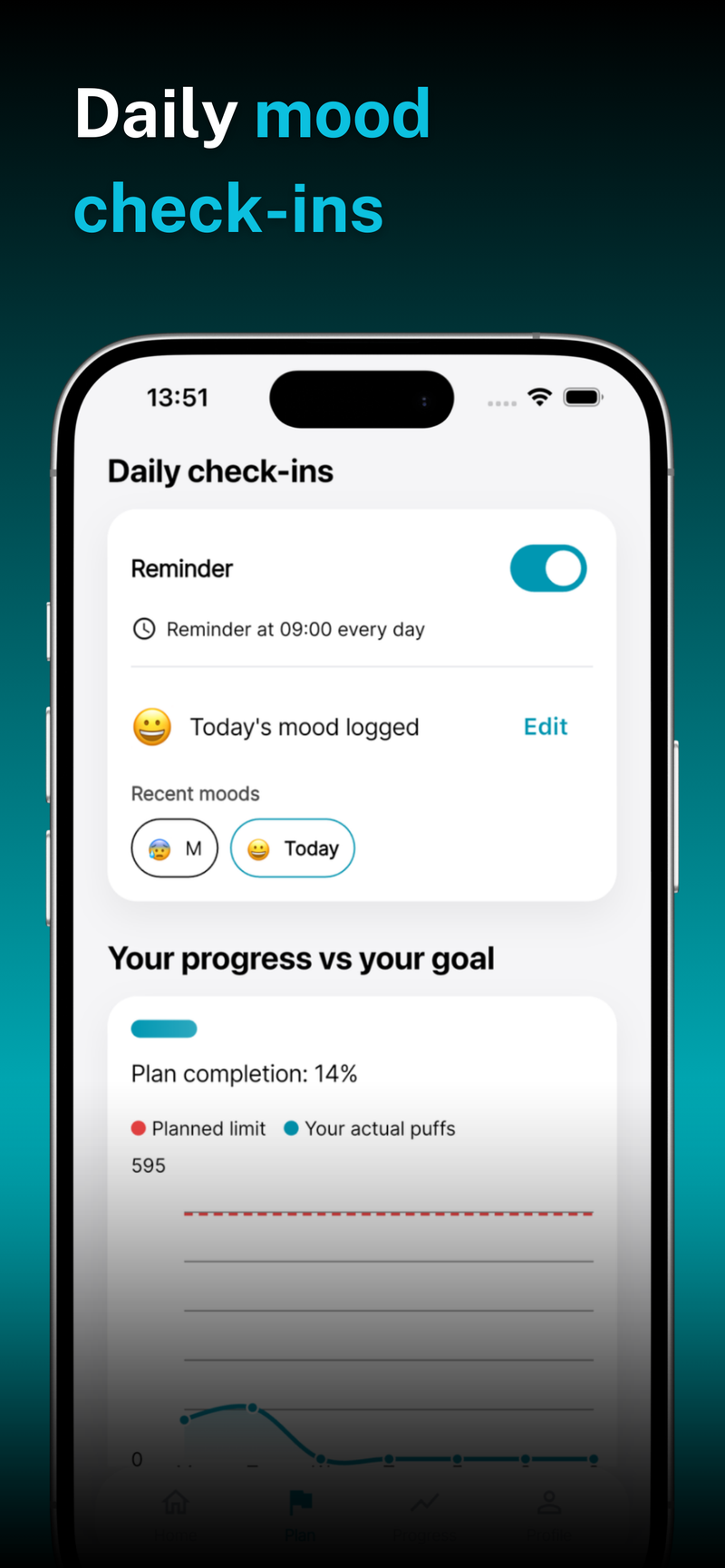
If you’re looking for a guided onboarding experience and a personalized plan to quit smoking or vaping, you may find structured support helpful. Some programs offer a thoughtful onboarding flow that helps you set goals, choose your product type, and tailor a plan to your timeline and daily habits. This can be a useful complement to the trigger-mapping approach described here, helping you move from insight to action with confidence.



💪 trigger mapping workflow