
Trigger Mapping to Reduce Nicotine: A Practical Plan
Trigger mapping helps you identify what sparks nicotine use and replace it with smarter, healthier responses. This practical, step-by-step approach builds a personalized plan to reduce nicotine and move toward quitting.
Introduction
Are you tired of fighting cravings that seem to come out of nowhere? If you’ve ever smoked or vaped in response to a stress moment, a coffee break, or a social cue, you’re not alone. Trigger mapping is a simple, practical approach to understand what pushes you toward nicotine and how to respond differently. Rather than relying on willpower alone, you create a plan for the moments that matter most.
Trigger mapping: your compass for change
Trigger mapping is a structured way to track what prompts a cigarette or puff and then swap in smarter choices. When you know your triggers, you can design specific responses, test them, and adjust as needed. The goal is not to remove all cravings overnight, but to reduce the automatic ritual and build confidence in choosing a different path.
Step 1: Identify your triggers
Start with a short, honest log for 3–5 days. Note:
Keep it simple. The more you record, the clearer patterns become.
Step 2: Categorize triggers
Group triggers to see patterns more easily:
Knowing the category helps you tailor a plan quickly when the moment hits.
Step 3: Build if-then plans
For each trigger category, create concrete responses. Use if-then statements so the action is automatic:
Keep plans simple and test a few substitutes before changing your whole routine.
Step 4: Arm your toolbox
Equip yourself with quick, reliable alternatives. Try these ideas:
Practice these so they feel second nature when a trigger appears.
Step 5: Track, review, and adjust
Weekly, review your trigger log and note what worked and what didn’t. Ask yourself:
Adjust your plan based on what you learn. Small tweaks can make a big difference over time.
Quick templates you can use
Managing cravings and withdrawal
Cravings peak quickly and tend to fade within minutes. Use delay tactics: tell yourself you’ll wait 5–10 minutes, then reassess. In the meantime, engage the toolbox (breathing, water, movement). Recognize withdrawal symptoms as a sign your body is adjusting, not as a reason to quit entirely in one moment.
Staying motivated with data
Keeping a trigger map and reviewing it regularly helps you see progress beyond the day-to-day urge. When you notice fewer strong cravings or longer gaps between them, you’ll feel more empowered to continue. Small, consistent wins beat sporadic bursts of willpower.
Conclusion
Trigger mapping gives you a concrete, repeatable process to reduce nicotine without waiting for motivation to strike. By identifying triggers, categorizing them, building specific if-then plans, arming a practical toolbox, and reviewing your progress, you turn cravings into information you can act on. The result is a steadier path toward your chosen goal—whether that’s reducing nicotine gradually or quitting entirely.
If you’re seeking a guided start that helps you tailor this process from day one—helping you pick your product type, set a clear goal, choose a target timeline, and plan your daily usage—you might explore solutions that focus on onboarding and personal setup. Such tools can help you map your triggers, monitor progress, and stay accountable as you work toward a healthier routine. Quit Smoking & Vaping can support this journey with a focused onboarding and personal setup approach, helping you tailor your quit or reduction plan to your day-to-day life.


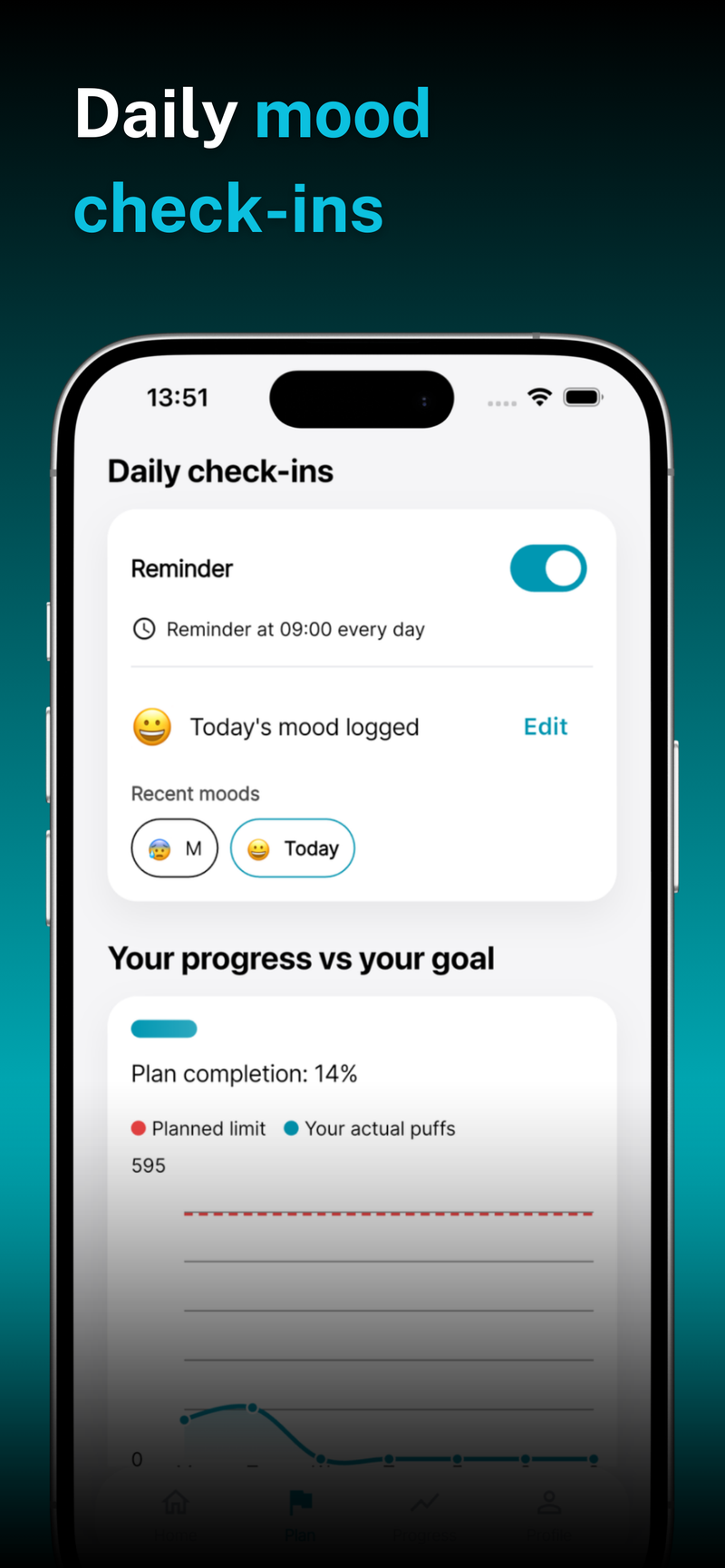

💪 Onboarding & Personal Setup