Introduction
Cravings arrive like uninvited guests—sometimes loud and sudden, other times quiet but persistent. If you’re trying to quit smoking or vaping, urges can feel overwhelming, pulling you toward a familiar habit just when you want to break it. This article lays out practical, proven strategies to disarm cravings, so you can choose your moments, not your triggers.
Cravings aren’t just willpower tests. They’re a mix of habit, cues, and mood. When you understand the rhythm of an urge, you gain leverage to interrupt it before it escalates. The goal isn’t perfect restraint but smarter, repeatable moves you can use in real life.
Understanding cravings
What cravings are
They’re usually cue-triggered: a wake-up routine, a coffee break, stress, or social situations.They involve a brain–body loop: cue → craving → action → reward. The action (lighting up or taking a puff) often delivers quick relief, reinforcing the habit.They peak quickly and fade—often within a few minutes if you delay or redirect the impulse.Common patterns to recognize
Time-based triggers: after meals, with a morning coffee, or during a commute.Emotional cues: stress, anger, boredom, or loneliness.Environmental cues: seeing a cigarette pack, being with smoking friends, or being in certain rooms.Practical, actionable strategies to disarm cravings
Here are real-world approaches you can apply right away. Try them in combination and notice what works best for you.
1) Pause and breathe (urge surfing)
When an urge hits, pause for 60 seconds and take 6 slow breaths:Inhale through the nose for 4 secondsExhale through the mouth for 6 secondsThis keeps you in the driver’s seat and cools the immediate rush of craving.Quick wins: count your breaths or name five things you can see, five you can hear, and five you can touch.2) Delay the action (10-minute rule)
Tell yourself you’ll wait 10 minutes before acting on the urge.Use that time to do something different: refill a glass of water, stretch, or walk around the block.Most cravings decline significantly during the delay as your brain recalibrates.3) Mouth feel and substitution
Keep alternatives handy that satisfy the urge to mouth or gesture—sip water, chew sugar-free gum, or nibble on carrots or celery.If you vape, consider a neutral substitute like a flavored gum or a cold water spray to satisfy the sensory cue without inhalation.4) Hydration, nutrition, and energy balance
Dehydration and low energy can intensify cravings. Drink a glass of water and have a small, balanced snack (protein + fiber) to stabilize mood and blood sugar.Avoid excess caffeine or sugar spikes that can amplify restlessness.5) Move your body
Even short bursts help: a brisk 5-minute walk, stairs, pushups, or a quick jog in place.Exercise releases mood-stabilizing endorphins and reduces withdrawal symptoms over time.6) Mindfulness and stress management
Practice a 2-minute body scan: notice where tension sits, then breathe into that area and let it soften.Try a quick grounding exercise: name 5 things you can see, 4 you can touch, 3 you can hear, 2 you can smell, 1 you can taste.Regular sleep, pacing to prevent overload, and journaling can reduce baseline stress that fuels cravings.7) Change the environment
Remove obvious triggers: clear out ashtrays or vape devices from your bag or car.Create a cue-free zone: a space where smoking or vaping isn’t allowed or encouraged.Plan ahead for high-risk moments (work breaks, after meals, social events) with a pre-pared activity or reminder.8) Track cravings and patterns
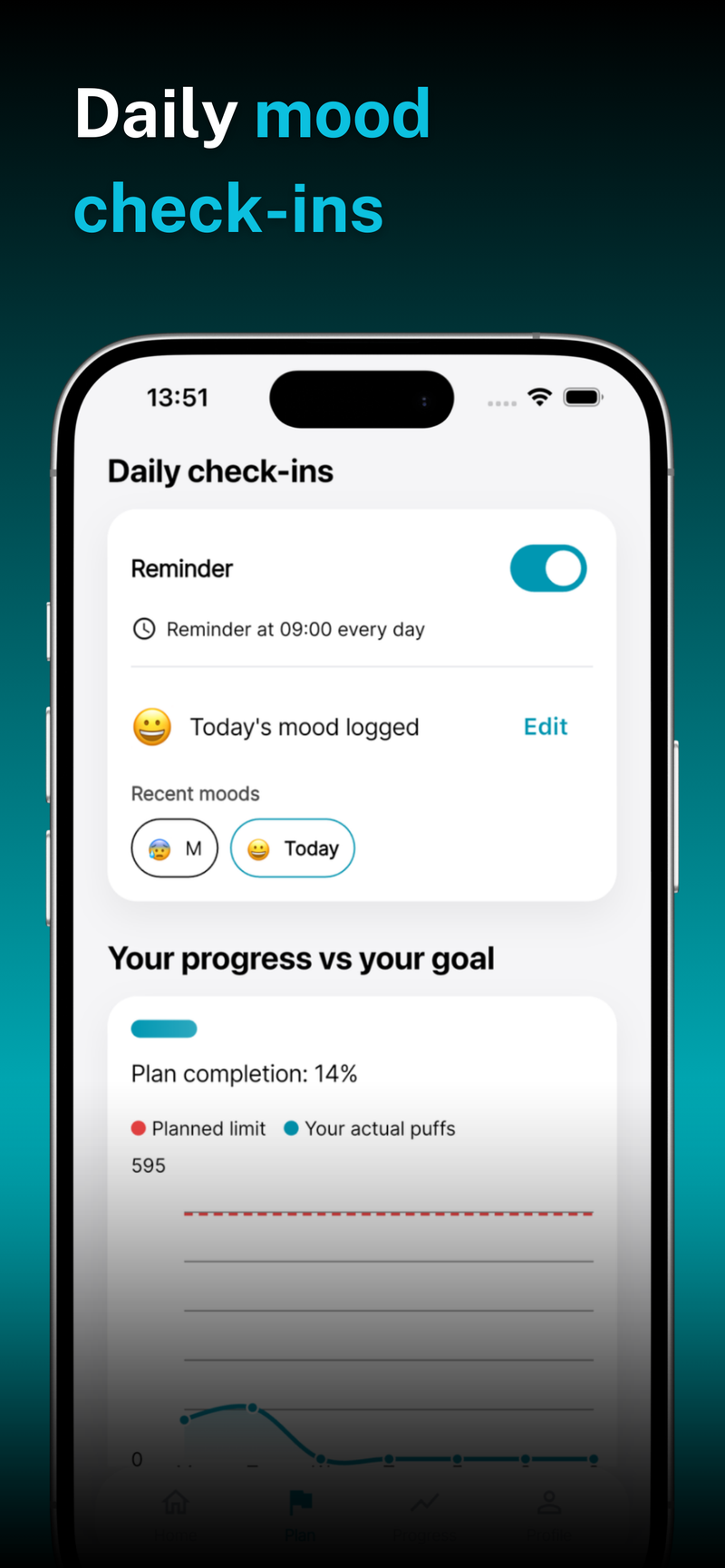
Keep a simple cravings log: time, trigger, intensity (1–10), and what helped.Look for patterns: do certain times of day predict stronger urges? Do particular people or activities cue them?Use this data to preempt cravings with targeted strategies.9) Leverage social and emotional support
Tell a trusted friend or family member about your plan so they can offer accountability.Consider a support group or buddy system for difficult moments.Short, encouraging messages from someone you trust can shift motivation in the moment.10) Plan for high-risk situations and rewards
If you know you’ll encounter a stressful meeting or a social event, prepare a specific plan (e.g., step outside for a 5-minute wander, order herbal tea, or practice a breathing cycle).Reinforce progress with tiny rewards after a craving-free period, like a favorite soundtrack, a stretch break, or a small treat.Quick data points to frame your approach
Cravings often peak within minutes and fade with delay strategies; many urges subside within 3–5 minutes.Research suggests that without support, quit attempts succeed at modest rates, but behavioral strategies and supports can raise success rates to the 8–12% range or higher over a year depending on usage of aids and commitment.Consistent practice of the above steps can compound, reducing intensity over weeks and months.Conclusion
Cravings don’t have to derail your goals. By building a toolkit that includes pause, delay, substitution, movement, mood regulation, and environment management, you can disarm urges before they dictate your actions. Track patterns, lean on support, and reward yourself for progress—small wins add up to lasting change.
If you’re looking for a structured way to apply these strategies, consider a guided onboarding experience that helps you personalize a quit or reduction plan—selecting your product type, setting a target timeline, and tailoring reminders and supports to your daily life. Quit Smoking & Vaping can help with this through an Onboarding & Personal Setup approach, turning these insights into a practical, personalized plan that fits your needs.
Remember: you’re choosing a healthier path, one deliberate choice at a time.