
What to Do When a Craving Lingers: Quick Recovery Steps
Lingering cravings can derail quit attempts, but you can ride the urge with a practical toolkit. This guide offers quick, evidence-informed steps to shorten cravings, reset routines, and stay on track when quitting smoking or vaping.
Introduction
Quitting smoking or vaping is a powerful decision, but cravings can linger long after the initial motivation fades. You might feel confident one moment and suddenly confronted with a powerful urge the next—during a coffee run, after a stressful moment, or in a social setting. The key isn’t willpower alone; it’s having a practical toolkit to shorten the urge and keep moving forward.
Cravings are a normal part of the quit process. They tend to come in waves: they often peak within the first few days and can reappear for weeks. Yet the duration of each urge is usually brief—most last only a few minutes when you have a plan. With that in mind, here are quick, actionable steps you can use almost any time you feel a lingering craving.
Quick Recovery Steps
1) Name the urge and ride the wave
A simple label can weaken the craving’s hold. Say to yourself, “This is just nicotine,” and picture the urge as a wave that rises and then recedes. Acknowledge the moment, but don’t react to it. Remember: cravings peak in the first days and tend to fade within minutes if you don’t feed them.
2) Delay and distract (the 5-minute rule)
Set a timer for five minutes and commit to not giving in during that window. Do something different and engaging—sip water, stretch, take a short walk, or tidy a small space. Often, the urge loses steam as you shift your focus and your body moves.
3) Change the environment and routine triggers
Triggers are powerful because they’re tied to places, people, or routines. If you always light up after coffee, consider switching to tea for a while or stepping outside for a quick breath instead. Change your seating, take a different route, or pause before stepping into a familiar trigger zone.
4) Use substitutes and rituals
Non-nicotine substitutes can help satisfy hand-to-mouth habits and provide a sensory cue that you’re not smoking. Try sugar-free gum, a crunchy snack, or a stress ball. Keep your hands occupied with a pen, a coin, or a textured object to break the automatic motion that accompanies cravings.
5) Move your body
Even a short burst of activity can reduce urge intensity. Do 2–5 minutes of brisk movement: stairs, a quick jog in place, 10 push-ups, or a short walk around the block. Movement releases mood-boosting chemicals and shifts your focus away from the craving.
6) Breathe and practice quick mindfulness
Calm the nervous system with a simple breathing pattern: inhale for 4 counts, hold for 4, exhale for 6. Repeat 4–6 times. This can lower your heart rate, reduce tension, and create space between you and the urge. Quick grounding techniques—notice five things you can see, four you can feel, three you can hear—also help.
7) Plan for high-risk moments
Some moments predictably trigger cravings: after meals, with coffee, during social events, or when alcohol is present. Create a mini-plan for these times: have a healthy snack ready, schedule a short walk, call or text a supportive friend, or switch to a different activity for the duration of the event.
8) Track and reflect
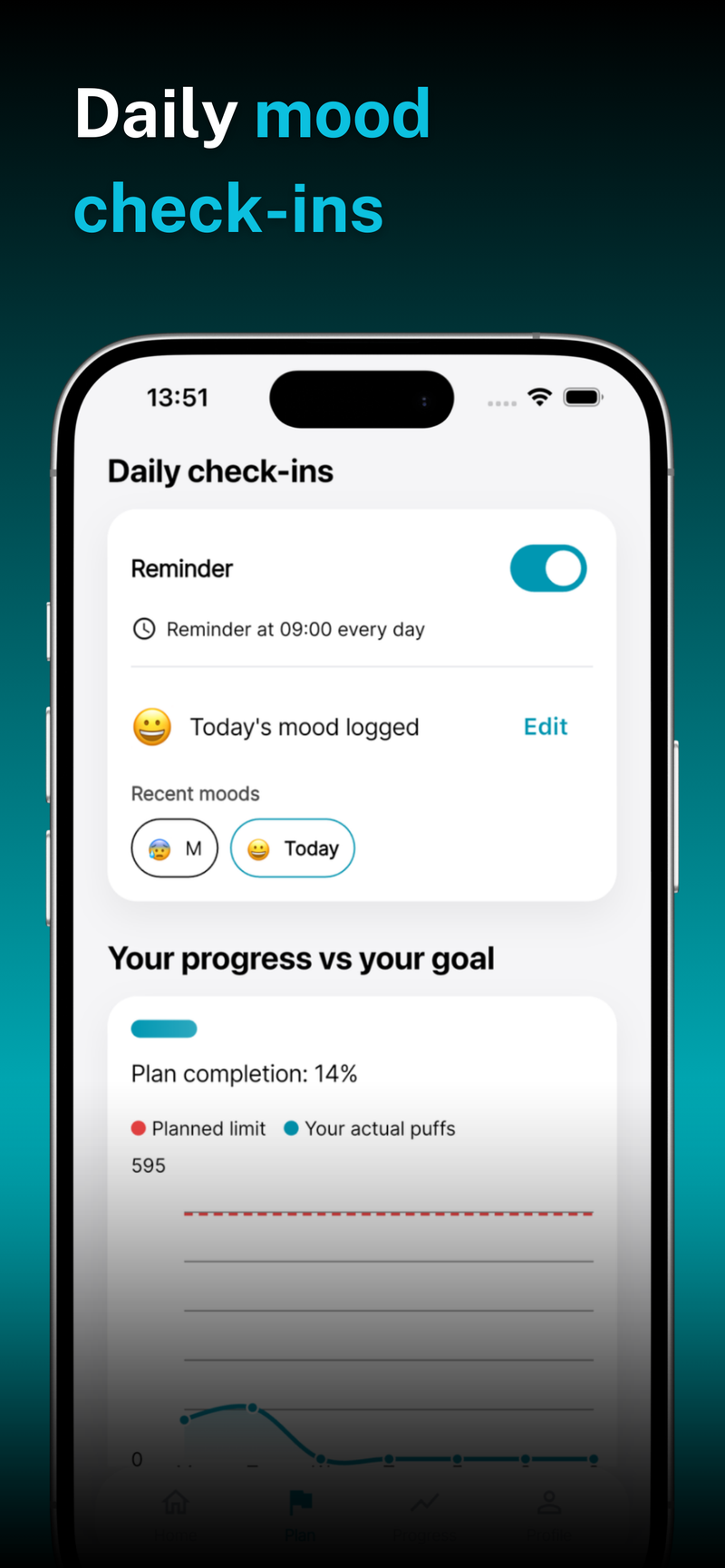
Keep a simple craving log: timestamp, trigger, intensity (1–10), and what helped. A quick review at the end of each day highlights patterns and shows you what works, so you can build a personalized playbook for future urges.
Quick daily framework
Conclusion
Cravings are a temporary, manageable part of the quitting journey. By labeling the urge, delaying action, shifting routines, using substitutes, moving your body, practicing breathing, planning for high-risk moments, and tracking what works, you can shorten the grip of each urge and stay on course.
If you’re looking for a structured way to tailor these steps to your everyday life, Quit Smoking & Vaping can help with this, especially through Fokus Puff’s Onboarding & Personal Setup to create a personalized quit plan. This approach supports you as you turn these quick recovery steps into sustained habits.



💪 Onboarding & Personal Setup